










Somaliland: Pandora’s box of African separatism Recognition, corruption, and conflict
Africa is plagued by endless conflicts and illegal armed groups, often created on tribal and separatist grounds.
Parade of separatism
On December 26, 2025, the State of Israel recognised the “Republic of Somaliland,” and on January 6, the country’s Foreign Minister, Gideon Sa’ar, visited Hargeisa. The Ministry of Foreign Affairs of the Federal Republic of Somalia sharply condemned this act. The head of Somalia’s foreign ministry immediately travelled for consultations with the Foreign Minister of Saudi Arabia, while the neighbouring state of Djibouti, in protest, recalled its representatives from “Somaliland.”
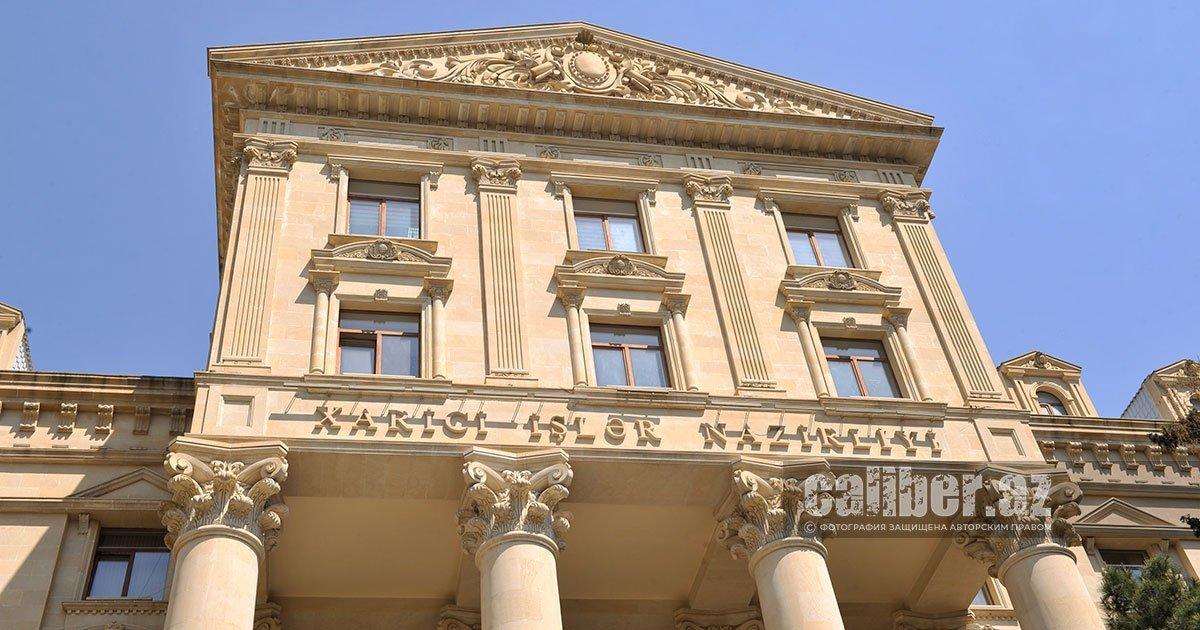
The Azerbaijani Foreign Ministry issued the following statement:
“The Republic of Azerbaijan reiterates its full support for the sovereignty, unity, and territorial integrity of the Federal Republic of Somalia within its internationally recognised borders. Recognition of the ‘Somaliland’ region of the Federal Republic of Somalia contradicts norms and principles of international law and the UN Charter. Azerbaijan has gone through its own painful experience with foreign military occupation and separatism in its territories, in violation of international law. Guided by these principles and its own experience, the Republic of Azerbaijan remains firmly committed to the preservation of sovereignty, territorial integrity, and political independence of all states, and calls on the international community to act responsibly and in full compliance with international law.”
So what exactly is “Somaliland”? In 1960, Somalia became independent. Prior to that, the country had been divided into several parts by colonial powers. The sovereignty of the northern part, “British Somalia” (“Somaliland”), was confirmed by a decree of Queen Elizabeth II on June 26, 1960. On July 1, during a joint session of parliamentarians, “Somaliland” united with the southern “Italian Somalia” to form a single federal state – the Republic of Somalia. The Soviet Union, China, and other permanent members of the UN Security Council immediately recognised the sovereignty of the young state.
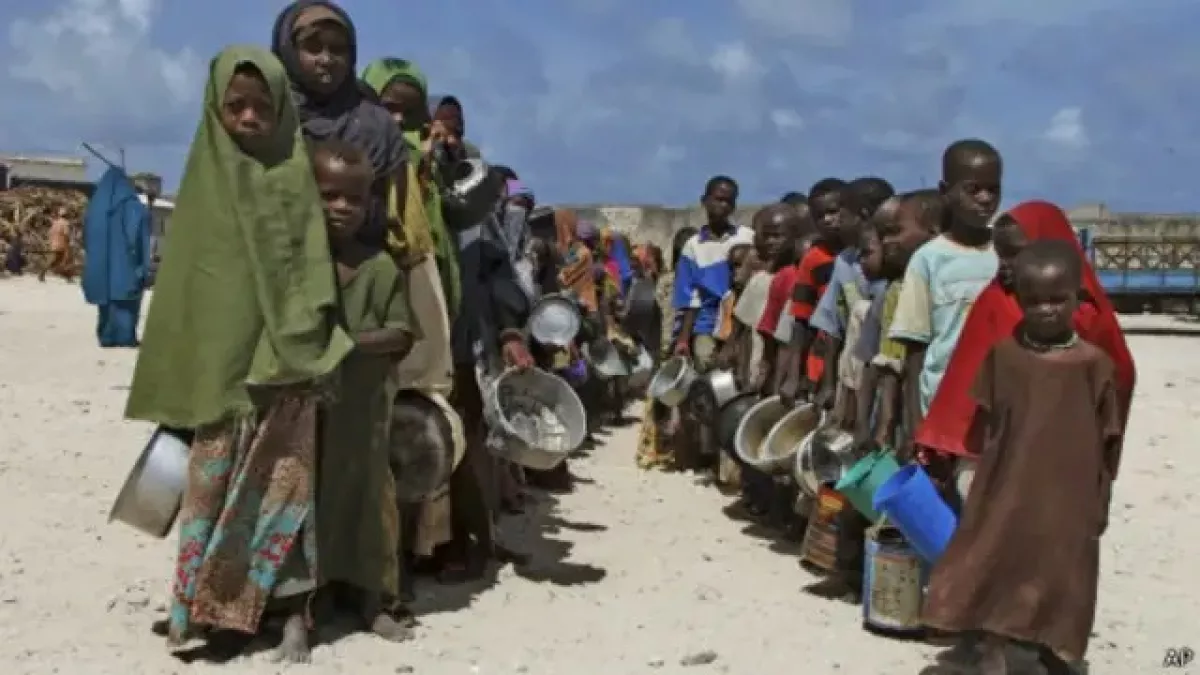
However, Somalia’s economy was extremely weak and archaic. Most local communities still led a nomadic lifestyle. The country was plagued by armed conflicts and border disputes with neighbours, as well as inter-tribal and clan feuds. Against this backdrop, separatist and religious radical groups multiplied.
In 1961, a group of military officers in northern Somalia staged a rebellion to create “Somaliland.” The coup was immediately suppressed. The separatist ideologues argued that certain legal details had not been observed when “Somaliland” was united with southern Somalia in 1960. In June 1961, however, a referendum was held in which the majority of the Somali people voted in favour of unification. The separatists, however, boycotted this plebiscite.
They also claimed that in the Federal Republic of Somalia, northerners did not receive enough representation in the government, demanding higher quotas in parliament, and so on. Cultural differences, shaped during the protectorate years, also played a role: in northern Somalia, English remained the working language, while in the south it was Italian. But above all, the foundation of “Somaliland” separatism lay in the conflicts between the Isaaq clan, which constitutes the majority of the northern population, and other Somali clans.
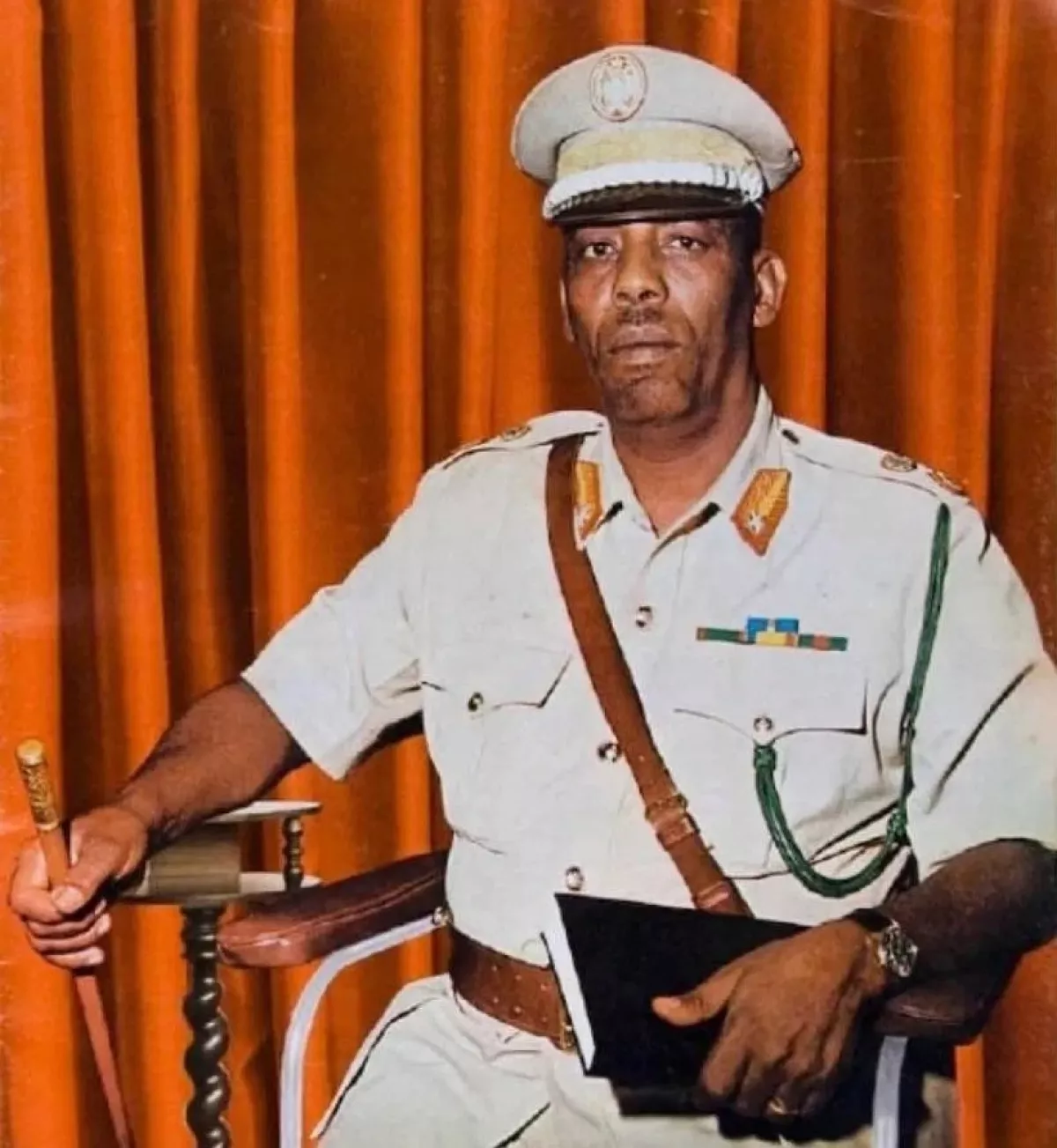
In 1981, separatists from the Somali National Movement (SNM) launched an uprising in the north against the military regime of General Mohamed Siad Barre. The country erupted into a civil war with all its horrors. In the 1990s, a process of national reconciliation began, but in one form or another, the civil war in Somalia continues to this day. At various stages of the conflict, the armies of Ethiopia and Kenya, UN and African Union peacekeeping forces, as well as the United States, intervened. As a result, Somalia fragmented into a number of autonomous regions, including “Somaliland,” “Puntland,” and “Jubaland.”
In 1991, “Somaliland” declared independence. Today, control over Somali territory is still contested by radical groups such as Harakat al-Shabaab (formerly the “Islamic Courts Union”) and Islamic State in Iraq and Syria (ISIS). The autonomous regions of the Federal Republic of Somalia enjoy a high degree of independence both de jure and de facto. Some of these regions even refer to themselves as “states,” for example, the “State of Central Regions of Somalia.” The largest of them is “Puntland,” which is officially part of the Federal Republic of Somalia, but in March 2024, it broke its agreement with the central government pending a constitutional amendment in favour of “Puntland.” However, as of today, 7–8 of Somalia’s autonomous regions and quasi-states have already ceased to exist.
The cradle of civilisations
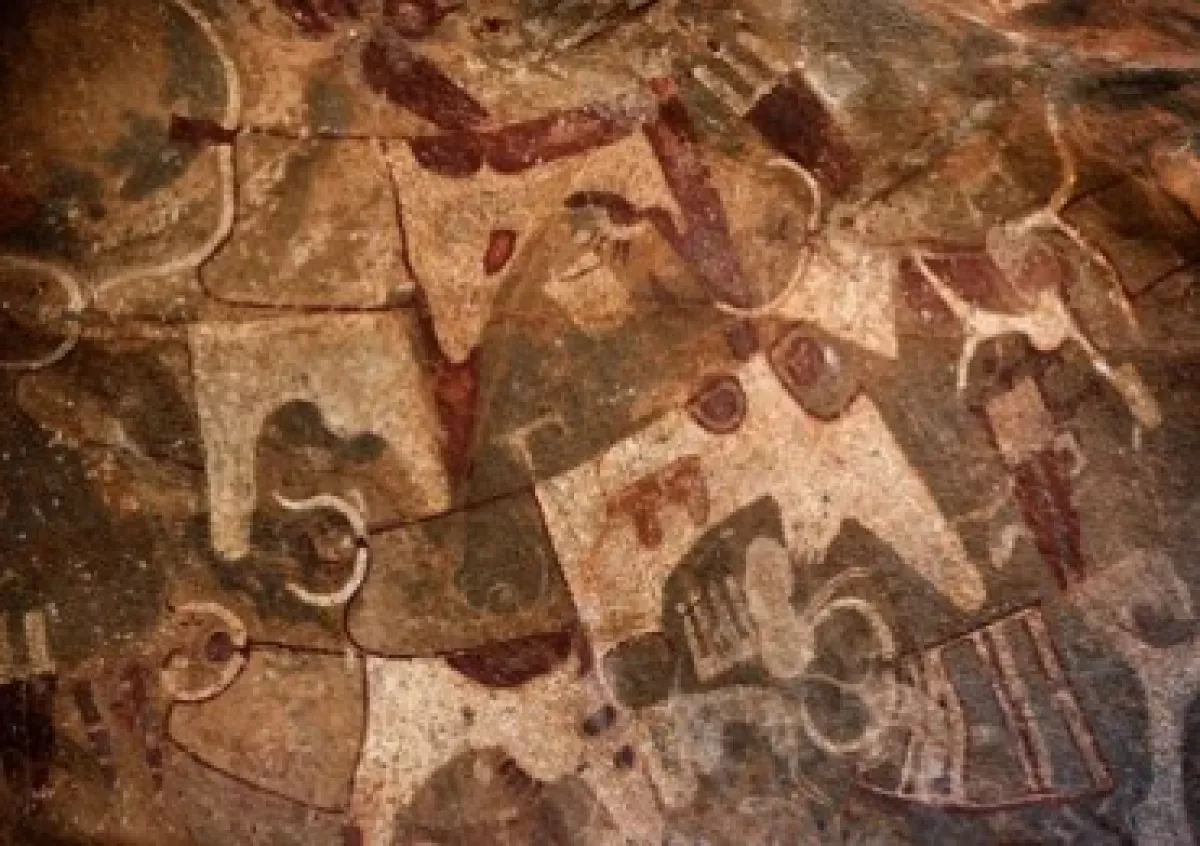
However, in “Somaliland” neither the authority of Mogadishu nor any connection with the Federal Republic of Somalia is even nominally recognised. As usual, Somaliland claims to be almost the birthplace of humanity: “Around 12,000-year-old Neolithic paintings in Las Geel, near Hargeisa, the capital, show that Somaliland was home to the earliest civilisations in the world.”
In May 2001, the “Constitution of Somaliland” was adopted, the preamble of which lists Islamic Sharia as its first foundational principle. Article 5 of this “Fundamental Law” states:
1. Islam is the religion of the Somaliland state, and the promotion of any religion in the territory of Somaliland, other than Islam, is prohibited.
2. The laws of the nation shall be grounded on and shall not be contrary to Islamic Sharia.
3. The state shall promote religious tenets (religious affairs) and shall fulfil Sharia principles and discourage immoral acts and reprehensible behaviour.
Additionally, Article 34.1 obliges the residents of Somaliland to defend the country and the religion. Women’s rights are also defined in accordance with Sharia, and the territory of the “Republic of Somaliland” is defined solely within the borders of the former British Somaliland protectorate.
The main problem that the self-proclaimed “Somaliland” is trying to solve today is international recognition. Its largest trading partner is Ethiopia, and the self-proclaimed entity has established certain relations with South Africa. Hargeisa, reportedly, has representatives in 20 countries, but only with unofficial status.
Controversial extraction
Meanwhile, the economy of the self-proclaimed “Somaliland” is in an extremely poor state. Its annual gross domestic product (GDP) is among the lowest in the world, and unemployment is very high. Most of the population survives through livestock farming and remittances from migrant relatives abroad.
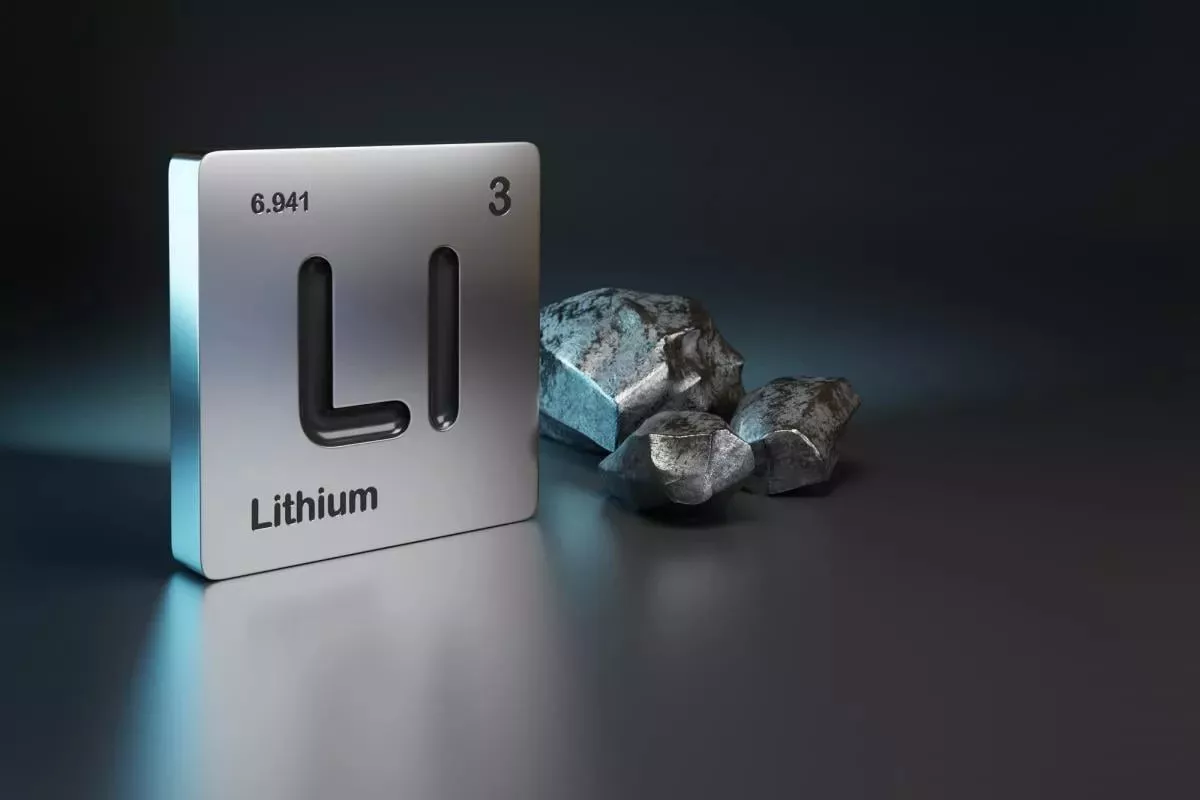
At the same time, northern Somalia, like the entire Horn of Africa, is rich in natural resources. “Somaliland” has reserves of oil, precious stones, and various minerals, and recently there has been talk of rare earth metals, in particular lithium, which is highly valuable in modern “green” energy. In 2024, companies from the Gulf countries began exploring these deposits.
However, its unrecognised status leads to a host of difficulties in attracting foreign investors. The government of Somalia has repeatedly asserted its supreme ownership over all of the country’s natural resources and declared any deals made without its approval illegal. Meanwhile, profits generated by foreign companies operating in “Somaliland” are generally not used for the development of local communities.
Corruption thrives in the “Republic of Somaliland,” and its illegitimate status facilitates various economic scams. For instance, the self-proclaimed authorities signed a multibillion-dollar deal with a non-existent bank, and the construction of the New Silk Oil Refinery turned out to be a fraudulent scheme. Foreign conmen were also involved in organising an unfair licensing scheme for fishing rights.
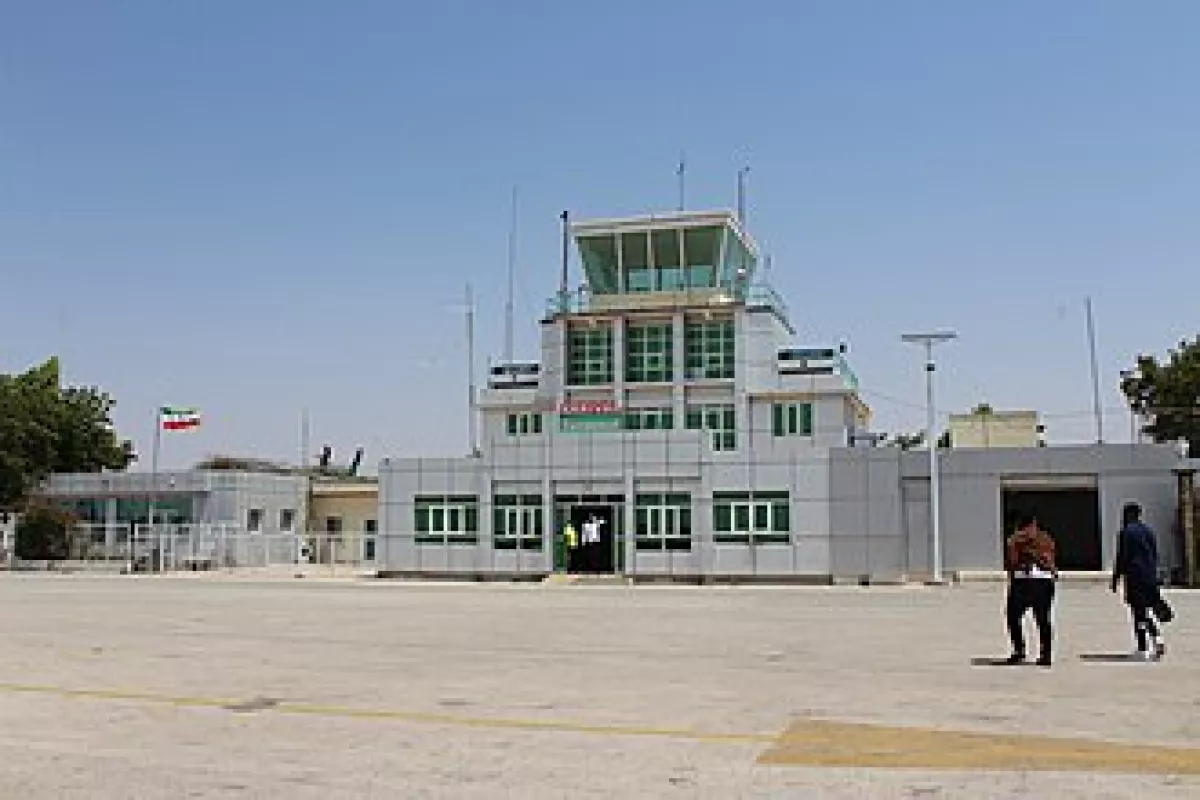
In “Somaliland,” the Egal International Airport cannot operate at night due to a lack of proper lighting and navigation systems, and its runway is deteriorating (due to corruption and theft, it has lasted only half its intended lifespan). Yet in 2025, the self-proclaimed government managed to sign a $70 billion reconstruction contract with a virtually fictitious company. Investment funds from Arab countries in the region are often outright embezzled. For example, the Laforug Bridge was simply washed away by a flood due to corruption and theft during its construction.
Perhaps the only successful project is the development of the major port of Berbera, managed by the UAE-based company DP World. This is largely due to the full transparency of the deal, which underwent a very strict review process.
There is also a thriving market for forged documents, which even the highest-ranking officials willingly use. Reportedly, even the head of the presidential administration, Munir Ahmed Egal, and the governor of the Central Bank, Dahir Abdillahi Ali, have used fake diplomas.
The djinn of separatism
Recently, the “president-elect” Abdirahman Abdullahi sent letters to 40 heads of state, calling on them to recognise the “Republic of Somaliland.”
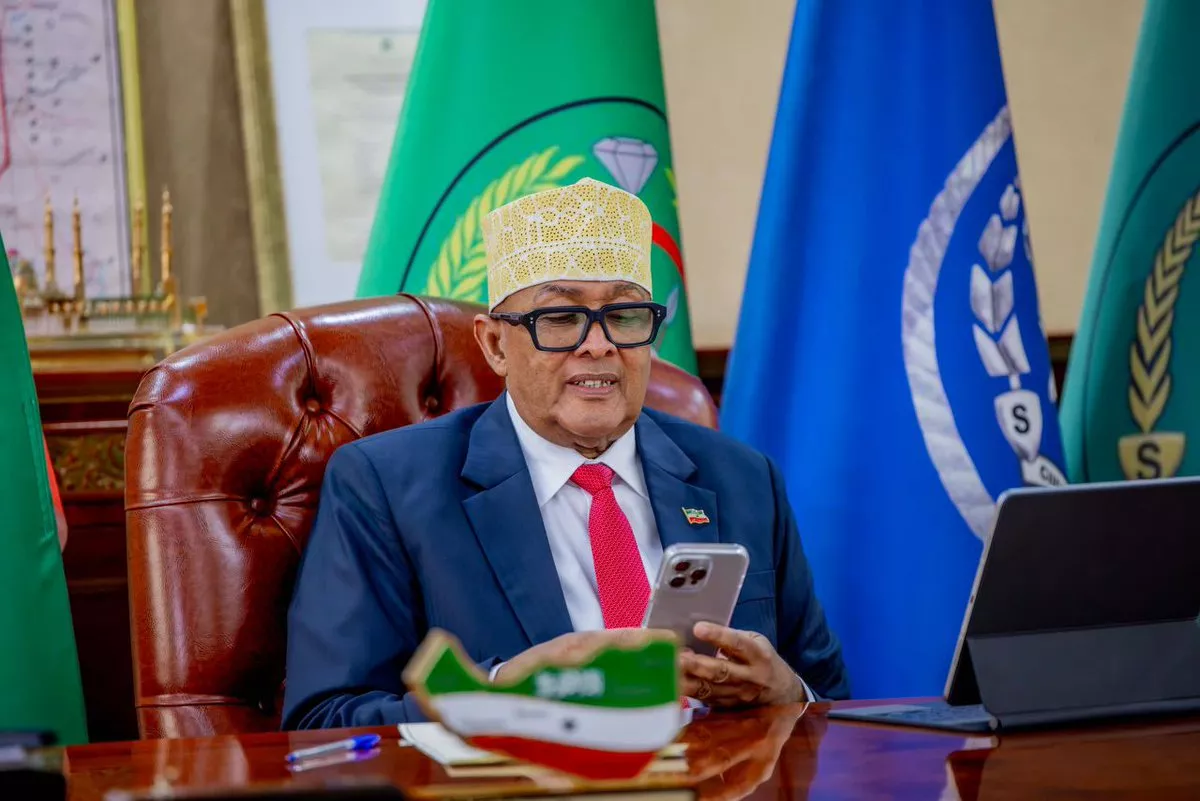
Israel became the first country to recognise Somaliland, largely driven by Tel Aviv’s desire to improve relations with Muslim-majority states under the Abraham Accords. One of the conditions for recognition reportedly included Hargeisa’s participation in the framework of these agreements.
At the same time, former director-general of Somaliland’s Foreign Ministry, Mohamed Abdillahi Duale, wrote that Israel’s recognition is a pragmatic acceptance of reality, “Whatever side one is on in Israel’s politics regarding Palestine.” Recently, a memorandum of understanding was also signed with Ethiopia, and Somaliland has already claimed that Addis Ababa is allegedly ready to recognise them or elevate the level of diplomatic relations.
Azerbaijan, Djibouti, Egypt, Somalia, Türkiye, and other states, as well as the African Union, oppose this recognition, which could encourage separatism in other regions. The Arab League has also repeatedly reaffirmed its commitment to the inviolability of all existing national borders.
Yet the development of the port of Berbera makes “Somaliland” an important logistics hub. Through the Bab-el-Mandeb Strait of the Red Sea, oil, gas, agricultural products, and industrial goods are transported to the EU, including shipments from China. The self-proclaimed quasi-state could also play a significant role in the complex relations between the US and China, as well as among regional Gulf players. Somaliland’s coastline is even considered by some countries as a strategically important location for countering Yemeni Houthis and Iran, with the prospect of establishing military bases.
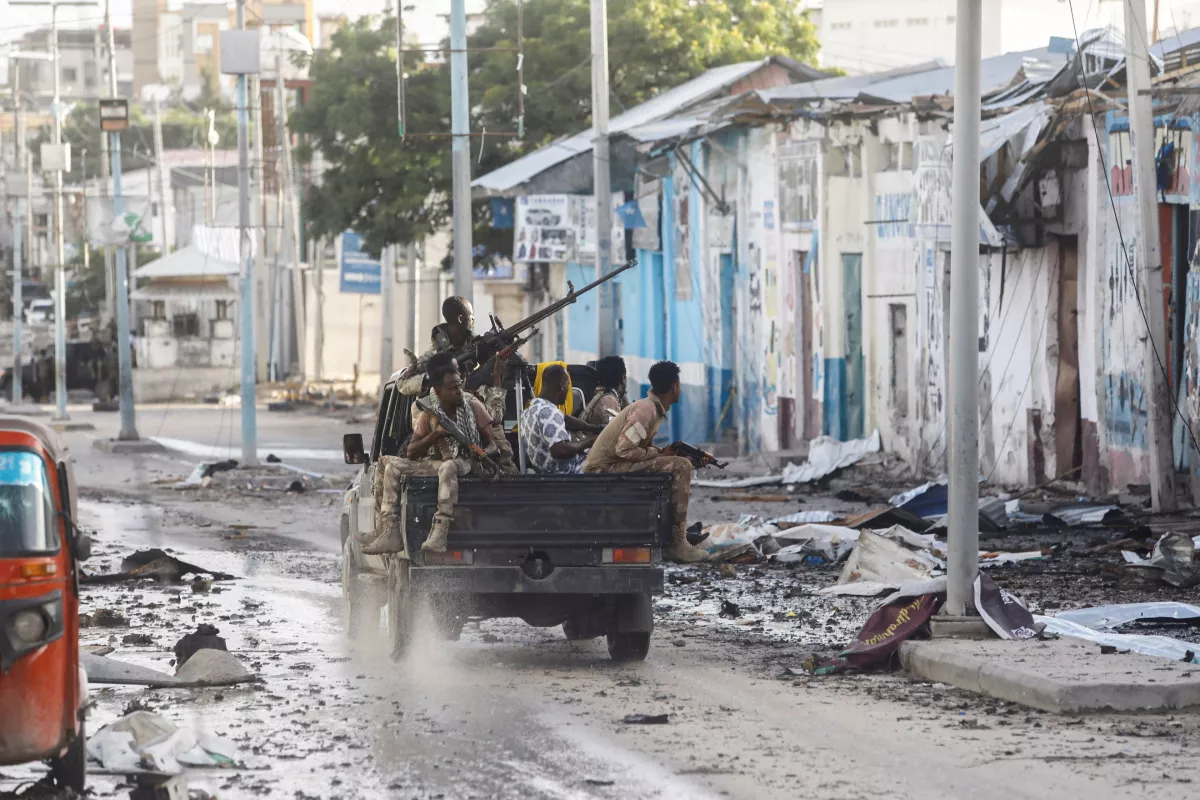
The civil war in Somalia, along with the famine and ethnic cleansing it triggered, claimed the lives of over half a million Somalis. During the conflict, around one million Somalis fled from Ethiopia, with 400,000 settling in “Somaliland.” This is the real cost of separatism, and no one would wish to open this ominous Pandora’s box again.







 editor@caliber.az
 +994 55 444-88-98
 Азербайджан, Баку, ул. Низами, 203, Af Business House, 5-й этаж