










Strategy of inevitability How Baku made Yerevan and the world recognise the new reality
The end of the active phase of the Patriotic War in November 2020 presented Azerbaijan with a challenge that, in many ways, proved even more difficult than the military confrontation itself. The army had fulfilled its mission, and most of the historically Azerbaijani territories were liberated, but politically cementing this outcome required a different logic of action. Armenia refused to legally acknowledge what had happened, while within Armenian society there remained a demand for revenge, actively fueled from abroad. France, several other states, and influential diaspora circles created an environment in which Yerevan could hope for international support in attempts to revise the results of the conflict.
Baku understood that a simple declaration of victory, without recognition from the opponent and the world’s centres of power, would leave the final resolution of the conflict in limbo. Armenia could exploit this situation to mobilise external resources and maintain hopes of returning to the ideas of “miatsum” (unification).
The Azerbaijani leadership chose a strategy that combined a sustained diplomatic process with targeted use of force. These actions were not chaotic or episodic; each operation had a specific objective and was integrated into an overall logic of pressure on Yerevan. Baku demonstrated that it was prepared to use the full range of available tools to protect its interests, and that negotiations did not imply a renunciation of the force necessary to secure its legitimate claims.
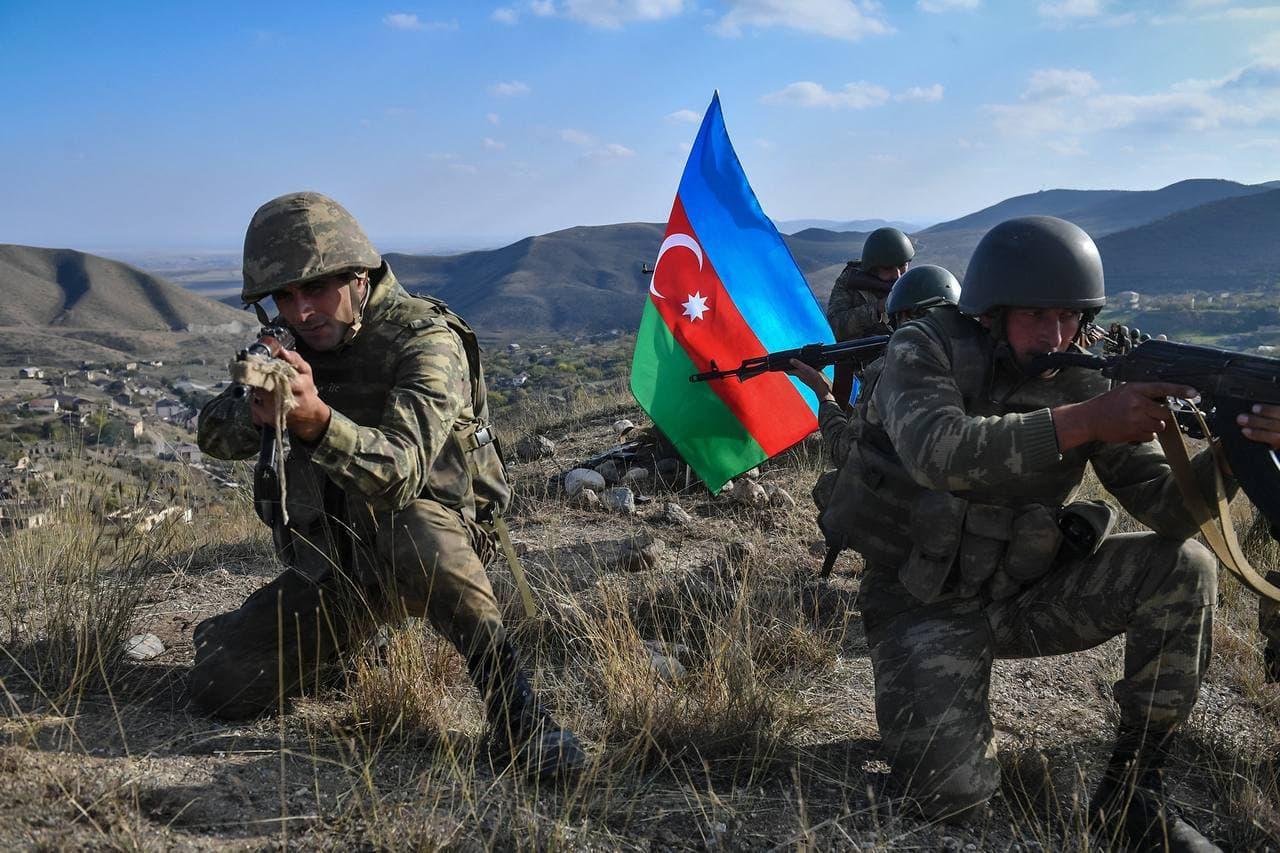
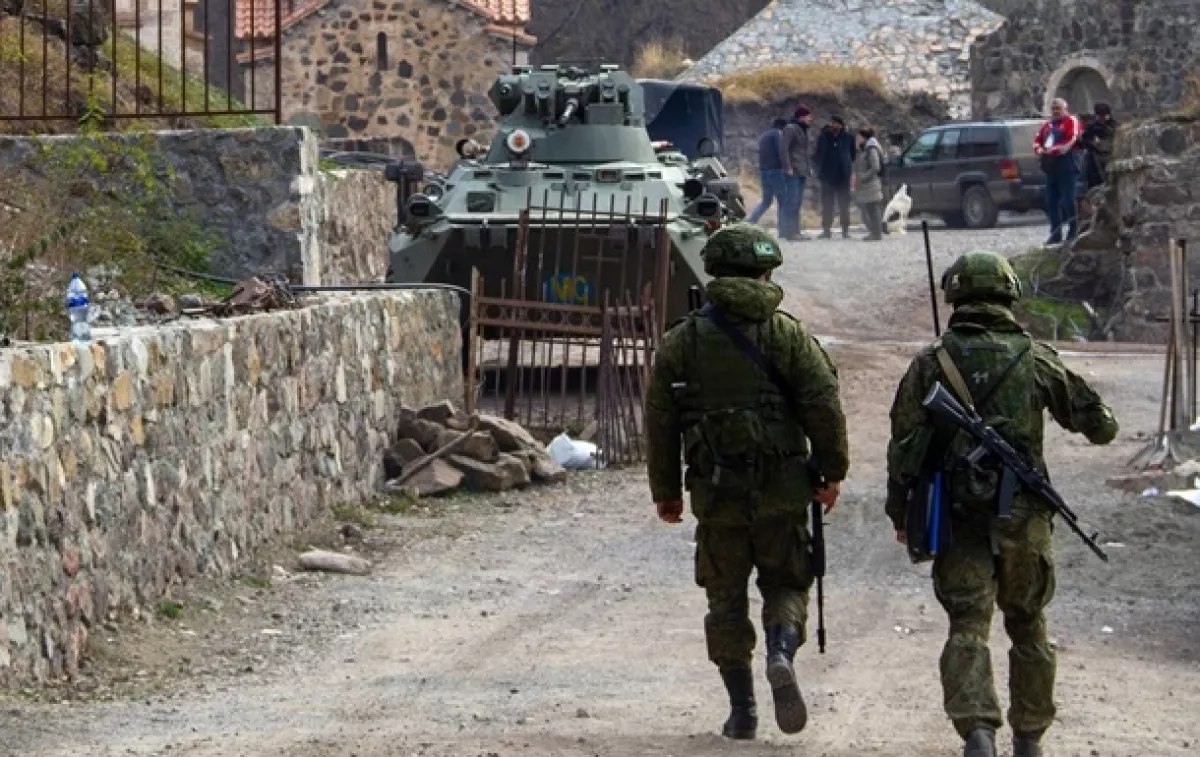
Already in December 2020, an incident occurred in the area of the villages of Kohna Taghlar and Chaylaggala in the Khojavand district. At that time, a special operation was carried out by the Azerbaijani units to neutralise a group of Armenian saboteurs. The Armenian side attempted to establish a foothold in these villages, counting on the then-deputy commander of the Russian peacekeeping contingent, General Andrey Volkov. The situation escalated to the point that, when events did not go according to the Armenian plan, General Volkov personally arrived in the operation zone in an armoured personnel carrier, attempting to halt the Azerbaijani military operation.
However, the Azerbaijani forces did not indulge him — Volkov was quickly surrounded and evacuated, with a clear warning not to interfere in matters beyond his authority. Today, it can be stated openly: these actions were carefully calculated. Baku made it clear that the presence of Russian peacekeepers did not alter the fundamental fact of Azerbaijani sovereignty over its territory. The peacekeeping mission was understood as a temporary monitoring mechanism, not as a form of international administration or protectorate.
During 2021–2022, a series of operations took place in the Karabakh region of Azerbaijan and along the de facto border with Armenia. In March 2022, Mount Farrukh and the village of the same name were liberated. On August 3, 2022, as a result of the Azerbaijani army’s retaliatory Operation Revenge, the heights of Girkhgiz, Saribaba, and several other strategically important positions along the Karabakh ridge of the Lesser Caucasus came under Azerbaijani control. This was followed by the capture of Mount Buzdukh and its surrounding heights.
Overall, the events in Farrukh, around Gara Gol (Black Lake), and in the Jermuk (Istisu) area served as a reminder to Yerevan that military confrontation could be resumed at any moment. These actions were not an end in themselves; they were part of a broader strategy aimed at compelling Armenia to politically recognise the new reality.
The Armenian leadership sought to avoid language that would imply recognition of Azerbaijan’s territorial integrity. During this period, Nikol Pashinyan found himself in an extremely difficult position. He had come to power on a wave of protests against the old elite, promising a new policy, but was confronted with the consequences of military defeat. Openly acknowledging the loss of Karabakh would have undermined his entire political construct, while continuing the confrontation risked further losses. Pashinyan tried to navigate between these pressures, hoping for external support and aiming to extract at least some concessions.
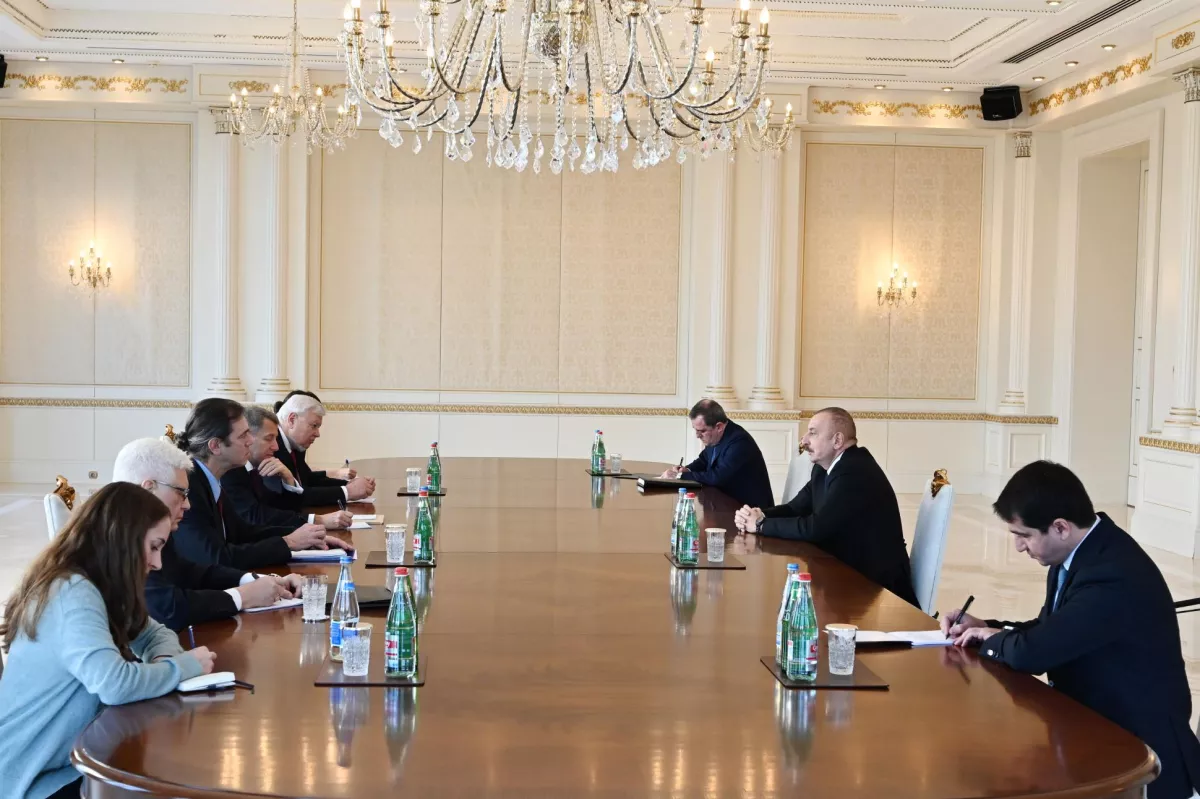
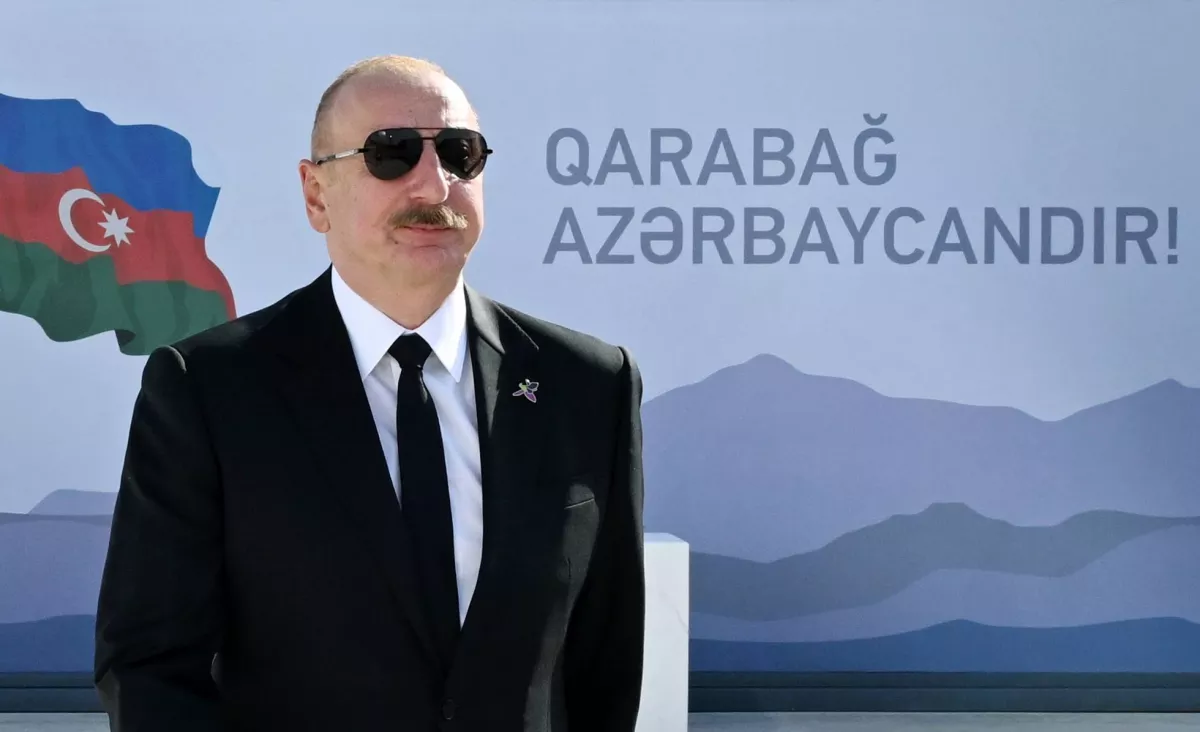
Azerbaijani President Ilham Aliyev took a firm stance in meetings with foreign mediators. He stated unequivocally that Azerbaijan did not need anyone’s approval to defend its territorial integrity and was prepared to act independently if the diplomatic process failed. These declarations were not mere diplomatic posturing—they were backed by concrete actions on the ground. Baku methodically narrowed Yerevan’s options, creating a situation in which any attempt to evade recognition of the new reality would result in additional costs.
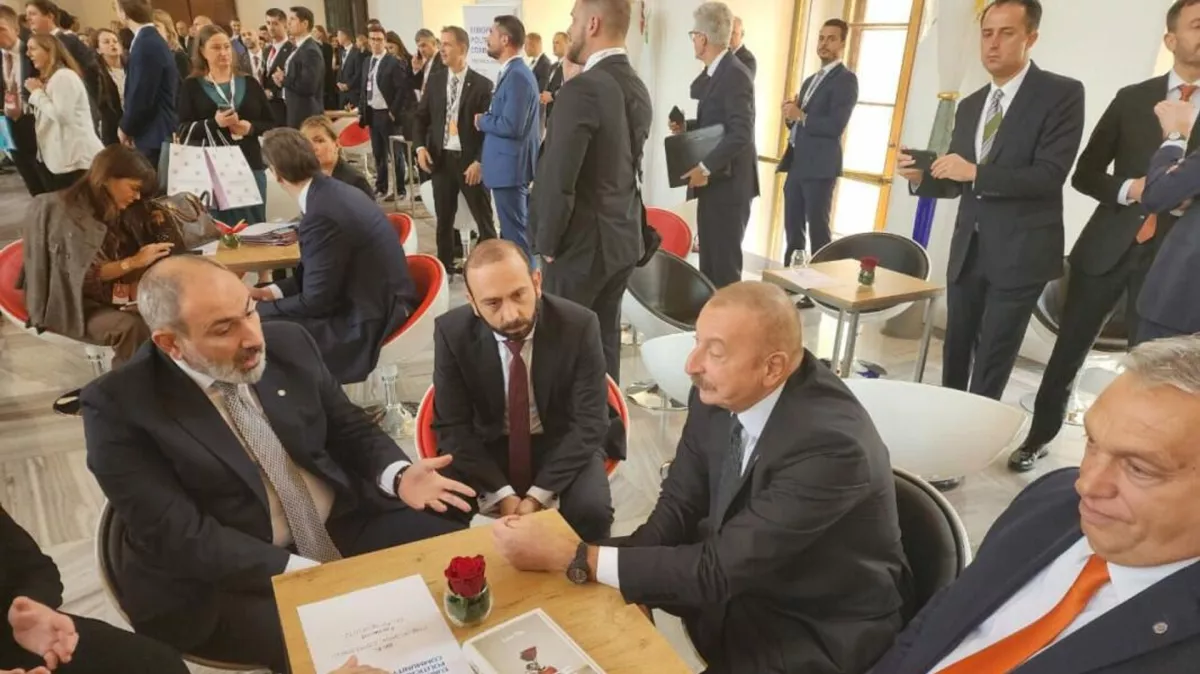
In October 2022, a turning point occurred in Prague. Pashinyan acknowledged Azerbaijan’s territorial integrity. This recognition was extremely difficult for him, but there was simply no alternative. Continued refusal to recognise it would have perpetuated a state of uncertainty in which Azerbaijan could continue targeted operations while Armenia suffered losses without any prospect of changing the situation. The Prague statement consolidated the military results and deprived the Armenian side of the ability to appeal to previous narratives and constructs.
This recognition had serious consequences for the entire regional configuration. Russia, which positioned itself as the main mediator and guarantor, found itself in a political deadlock. Russian peacekeepers were deployed to monitor the ceasefire between the conflict parties, but if one side recognised the territory as belonging to the other, the very logic of the peacekeeping presence was undermined. Moscow could not openly oppose the recognition of Azerbaijan’s territorial integrity, although it tried to do so indirectly.
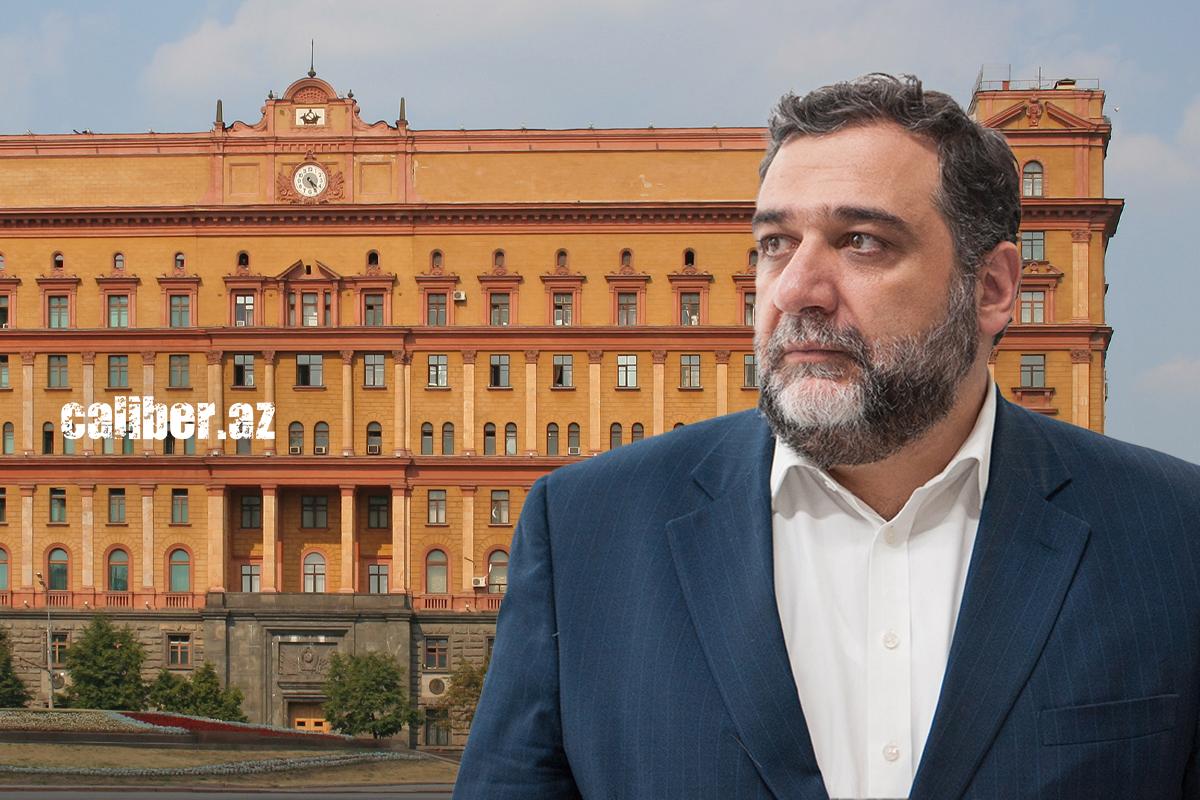
It was in this context that Moscow attempted to launch an alternative scenario through the figure of Ruben Vardanyan. This notorious Russian businessman of Armenian origin arrived in Karabakh and tried to consolidate the remnants of the separatist regime, giving it a new political configuration. Vardanyan’s task was to create a situation in which one could speak of special rights for the Armenian population, autonomy, or a special status. In other words, it was an attempt to preserve a parallel political reality that excluded recognition of Azerbaijani sovereignty.
Baku’s response was firm and consistent. An operation began on the Lachin road, the only land route linking Armenia to the “grey zone” in Karabakh. While this operation was presented as an environmental protest against illegal mining in the Karabakh region, its political significance was unmistakable. Azerbaijan asserted full control over the corridor and its readiness to use that control to achieve its objectives.
On April 23, 2023, a border checkpoint was established on the Lachin road. This decision definitively confirmed Azerbaijani sovereignty over the road and completely isolated the remnants of the separatist entity. Armenia could not protest, having already recognised the territory as Azerbaijani, and the international community had no legal grounds to intervene. The Lachin checkpoint became the physical embodiment of the territory’s new status.
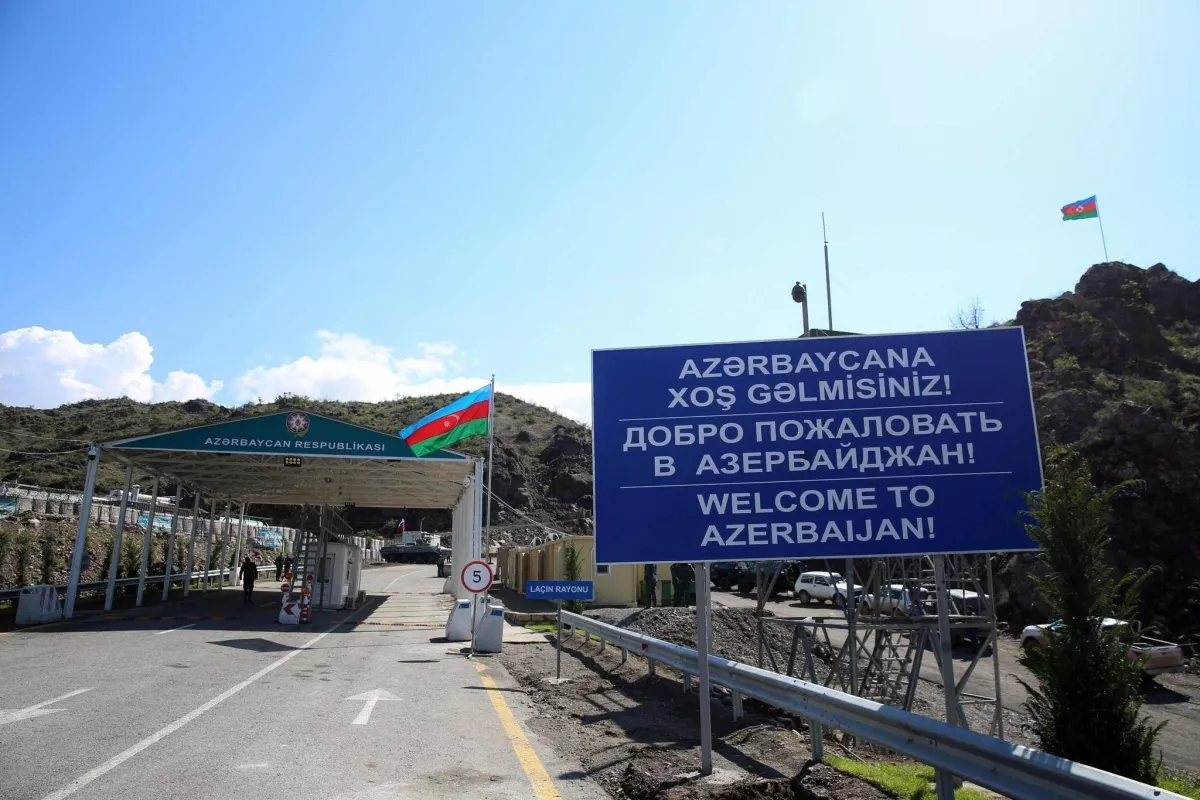
In September 2023, Azerbaijan carried out an anti-terrorist operation that concluded in just 23 hours with the complete surrender of the separatists. The puppet regime that had existed for over thirty years ceased to exist.
In May 2024, the Azerbaijani flag was raised over the liberated villages of the Gazakh district — Baghanis Ayrim, Ashaghi Askipara, Kheyrimli, and Gizilhajili. This was significant not only practically but also symbolically. Baku demonstrated that the process of restoring control over the territory was advancing in all directions and covering all areas.
At the same time, investigations were conducted into the arrested leaders of the dismantled separatist regime, who were charged with terrorism, financing terrorism, and related crimes. Their arrest definitively eliminated any possibility of claiming an alternative “authority” in the Karabakh region.
Against this backdrop, the Russian peacekeepers found themselves in a situation where their presence in Azerbaijan had lost all functional purpose. There were no longer any conflicting parties, and the territory was under full Azerbaijani control. In April 2024, Moscow was compelled to agree to the early withdrawal of its contingent, marking the final practical act in the restoration of Azerbaijani sovereignty.
The meeting in Washington in August 2025 marked the political conclusion of the conflict. By that point, the previous post-war construct had been systematically dismantled. The military results were given legal recognition, Azerbaijan’s territorial integrity was acknowledged, the separatist regime had been eliminated, and any attempts to maintain a parallel reality had lost all practical meaning.
The key development was a shift in the very logic of the process. The conflict ceased to exist in a state of prolonged uncertainty. The model in which a battlefield defeat could be offset by delaying negotiations and relying on external actors proved unsustainable. The consistent actions of Azerbaijan’s leader gradually narrowed the room for manoeuvre to the point where there was simply no alternative but to recognise the established reality. The early withdrawal of Russian peacekeepers was a direct consequence of this narrowing. Their presence had depended on the assumption of an ongoing conflict between the parties. Once Azerbaijan’s territorial integrity was recognised, that premise disappeared. Sovereignty was restored through control over the territory, communications, and the legal framework. Any external mechanisms had become meaningless.
Thus, the results of the war were brought to their logical conclusion through a carefully calibrated strategy, in which military and diplomatic tools worked in concert. The conflict was definitively closed. This was a complete and unequivocal victory for Azerbaijan — essentially unique in the post-World War II era — with the restoration of the country’s territorial integrity and recognition by the international community.







 editor@caliber.az
 +994 55 444-88-98
 Азербайджан, Баку, ул. Низами, 203, Af Business House, 5-й этаж