










Stratfor’s cautious optimism Azerbaijan–Armenia through the “Shadow CIA” lens
The analytical centre Stratfor has published a new forecast on the development of Armenian–Azerbaijani relations in 2026, concluding that the risk of a new war is decreasing and that the provisions of the framework peace agreement will be implemented gradually and with extreme caution.
Overall, Stratfor’s conclusions can be described as cautiously optimistic. However, a closer examination reveals that much of this assessment merely reflects a long-established regional reality and reiterates arguments that have been consistently articulated in Azerbaijan over recent years, both at the official and expert levels. In particular, the report suggests that Yerevan and Baku will pursue a strategy of limited engagement, deliberately avoiding abrupt moves and large-scale economic integration. According to the analysts, trade regulation is likely to serve as a “test of trust,” with both sides opting for minimal and tightly controlled forms of cooperation that reduce risks while avoiding politically sensitive dependencies.
In essence, Stratfor is stating what has long been obvious: after the Second Karabakh War, Azerbaijan has proceeded from the logic of a phased peace, in which the key condition is the predictability and reliability of the partner. This is precisely why Baku is not rushing economic integration, preferring first to achieve full resolution of fundamental issues—borders, communications, and the legal foundations of peace.
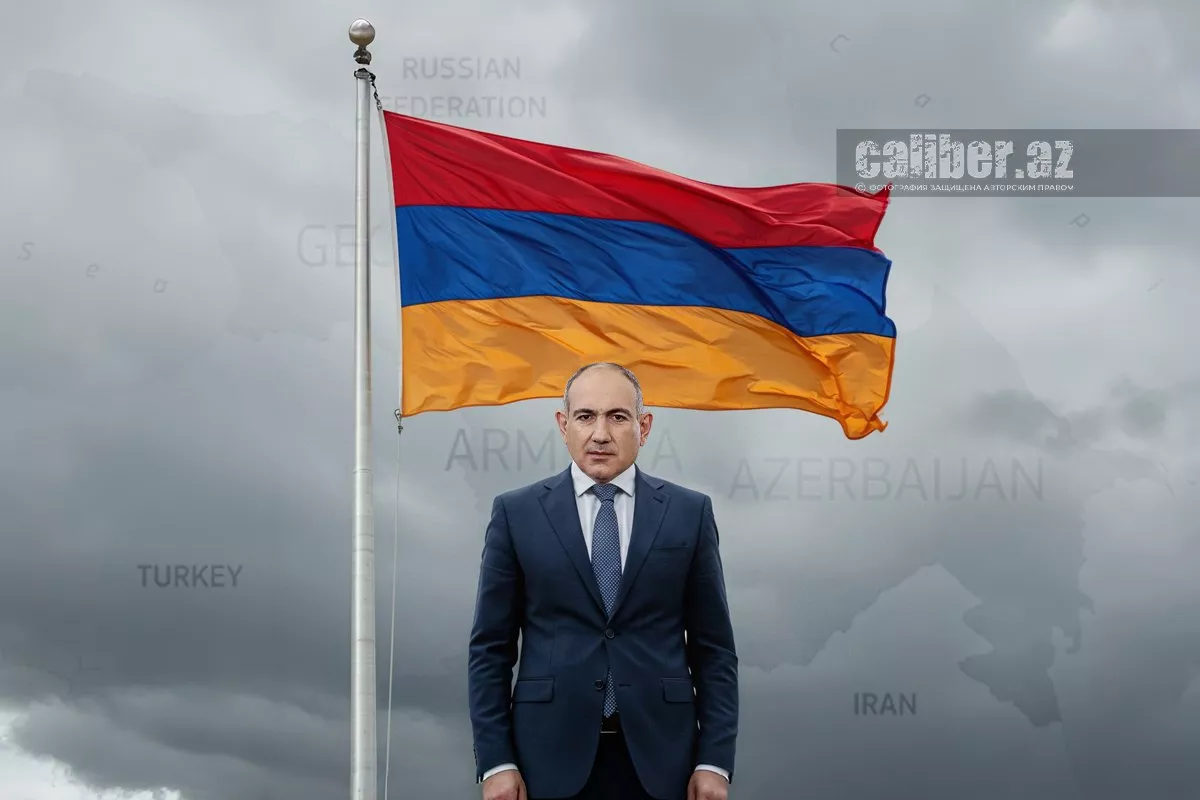
The central focus of Stratfor’s forecast is Armenia’s domestic political situation. The analytical centre points to growing public dissatisfaction with the incumbent prime minister, driven both by accusations of “concessions to Azerbaijan” and by his conflict with the Armenian Church.
As the American analysts openly acknowledge, the fate of the peace process directly depends on whether Pashinyan remains in power. Should he lose office, the implementation of the peace agreement would be thrown into doubt. In other words, Stratfor effectively confirms a key point: the main obstacle to a peace deal is not Baku, but Armenia’s internal political uncertainty.
Stratfor predicts that, if Pashinyan manages to retain power, he will prioritise the implementation of the “Trump Route for International Peace and Prosperity” (TRIPP), an agreement reached in Washington on August 8, 2025. This project is viewed as a core element of a new, Western-oriented regional architecture.
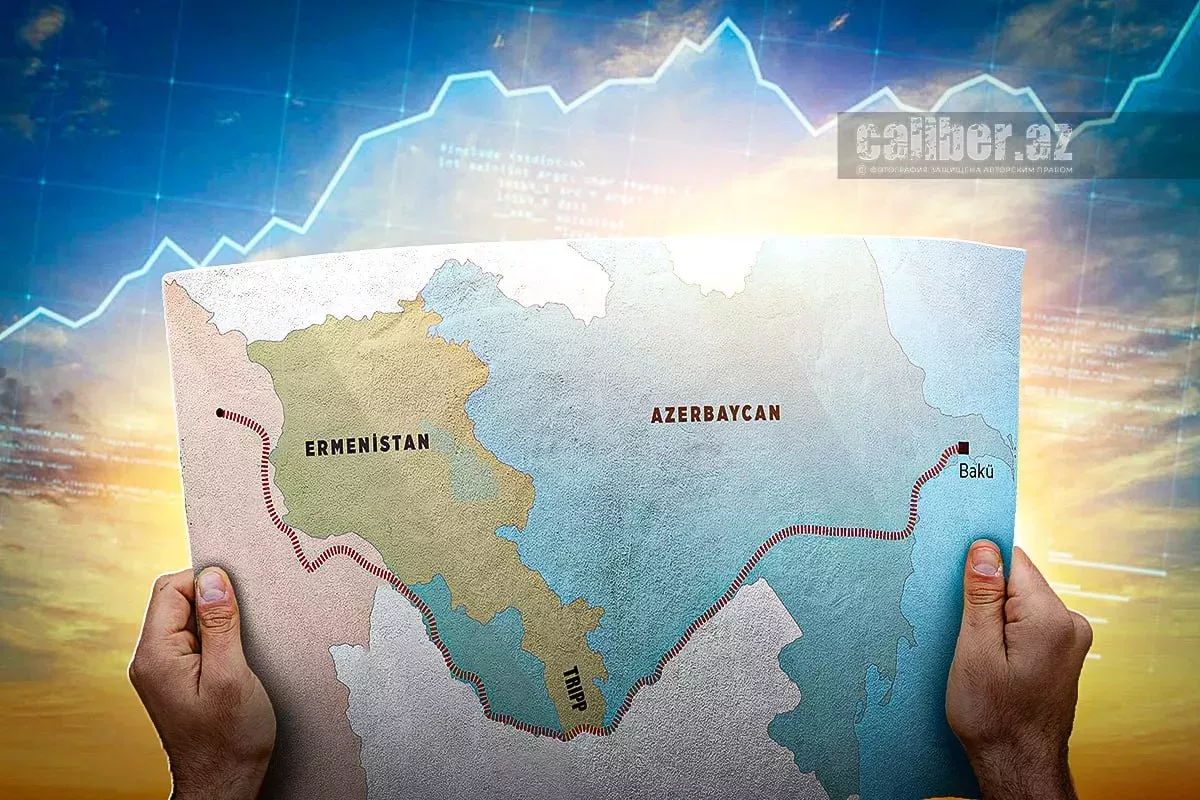
As Stratfor notes, Baku will complete its segment of the Araz Corridor through Iran alongside the implementation of TRIPP, while simultaneously keeping TRIPP as both leverage and an alternative route—one that excludes Armenia from regional integration should it adopt an unconstructive stance. This approach fully aligns with the logic of Azerbaijan’s policy in recent years: openness to cooperation without becoming dependent on a single corridor or a single partner.
Particular attention is also given to Stratfor’s assessment of Russia’s role. The analytical centre acknowledges that Moscow will attempt to challenge the advancement of TRIPP; however, its weakened position in the South Caucasus significantly constrains its ability to exert real influence. Russia is no longer capable of imposing its own model of settlement, nor can it effectively shape the foreign policy trajectories of either Yerevan or Baku. This is yet another example of recording the established balance of power.
A comparison with Stratfor’s forecast published at the beginning of 2025 is particularly revealing. At the time, the analytical centre likewise argued that, in theory, the signing of a peace treaty was within reach. However, it warned that unresolved issues related to border delimitation and demarcation could slow the process significantly. The analysts also cautioned that, if talks were to stall, tensions along the Armenian–Azerbaijani border could rise in the second half of the year—while emphasising that the likelihood of a major escalation would remain low.

Equally important is another point: over the past year, the core problem has remained unresolved. Azerbaijani media, politicians, and experts have repeatedly emphasised that it is Yerevan’s actions—or lack thereof—that continue to delay the final signing of a peace treaty. Armenia’s leadership has yet to amend the country’s constitution, which still contains territorial claims against Azerbaijan. For Baku, this issue is fundamental, as it concerns not symbolism but the legal foundation of a future peace. Without removing these contradictions, any agreement risks remaining a mere formality.
Thus, even through Stratfor’s interpretation, one conclusion becomes clear: the responsibility now lies with the Armenian leadership and society. Azerbaijan has completed its part—restoring its territorial integrity, proposing the framework of a peace agreement, and expressing readiness to move forward.
The question is whether Armenia is prepared to take the next step—not at the level of statements, but through concrete political and legal decisions. As long as this step is postponed, all analytical reports, including Stratfor’s forecasts, will do little more than record a status quo in which peace is possible, but far from guaranteed.







 editor@caliber.az
 +994 55 444-88-98
 Азербайджан, Баку, ул. Низами, 203, Af Business House, 5-й этаж