










Turkic security: cooperation and challenges Experts weigh Azerbaijan’s call for joint drills
The interview of Azerbaijani President Ilham Aliyev with local TV channels not only touches on various spheres of the country's socio-political life but is also filled with significant messages, including those regarding the strengthening of military cooperation within the community of Turkic states.
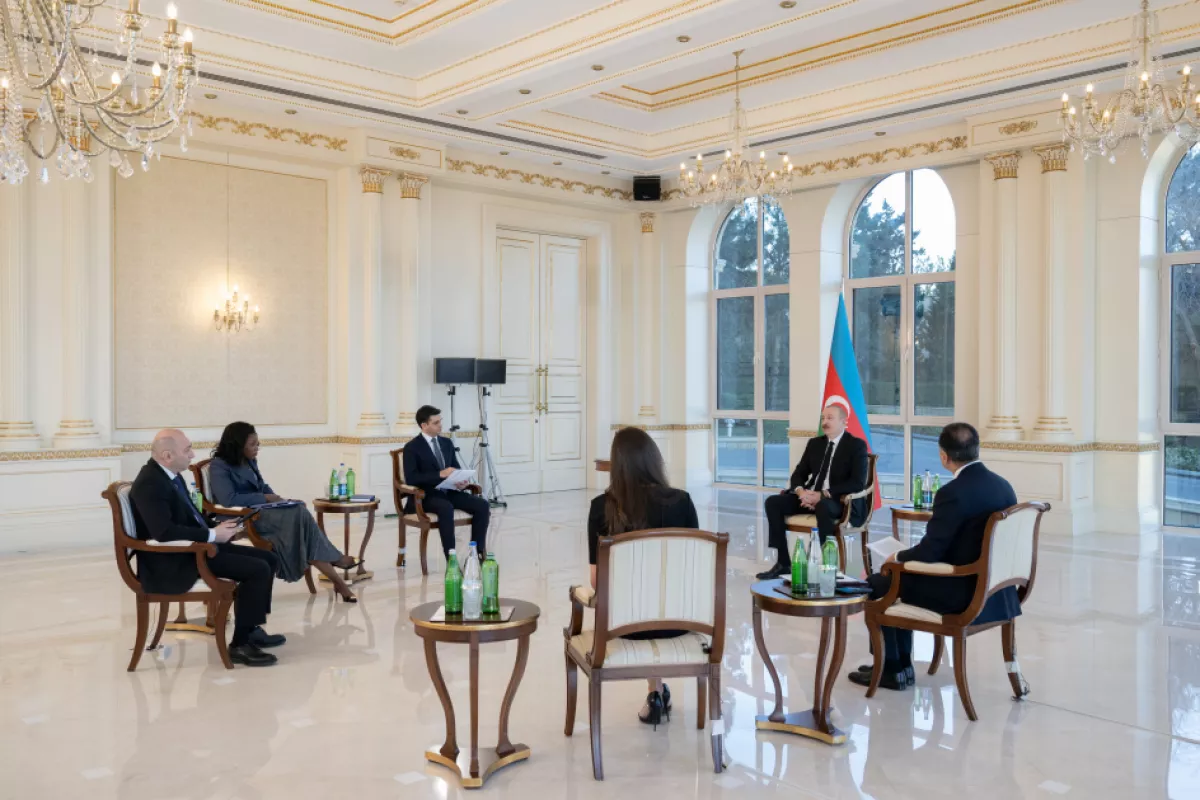
"We cooperate with Türkiye in the format of an official alliance, including a military alliance and within the framework of military assistance to each other. However, it would be good if Turkic states, which are our family, also began to cooperate in this direction. By proposing this, I am not at all proposing the creation of some military organization. Some have interpreted it that way. No, this is completely unfounded. We are now simply cooperating in the energy sector, in the transport sector, in trade, in investment, and indeed in many areas. Why not cooperate in this area as well? Considering that this is the number one issue for all countries today, my proposal is valid. We are now sending our messages through various diplomatic channels. If there is a general agreement, then we will see these exercises this year. If we see that the exercises were not held, then we should ask the question ‘Who was not in favor of this?’But I do hope that all member states will support this," stated Ilham Aliyev.
How do the member countries of the Organisation of Turkic States (OTS) respond to the Azerbaijani president’s proposal? Military and security experts from Kazakhstan, Uzbekistan, and Kyrgyzstan shared their opinions on this issue with Caliber.Az.
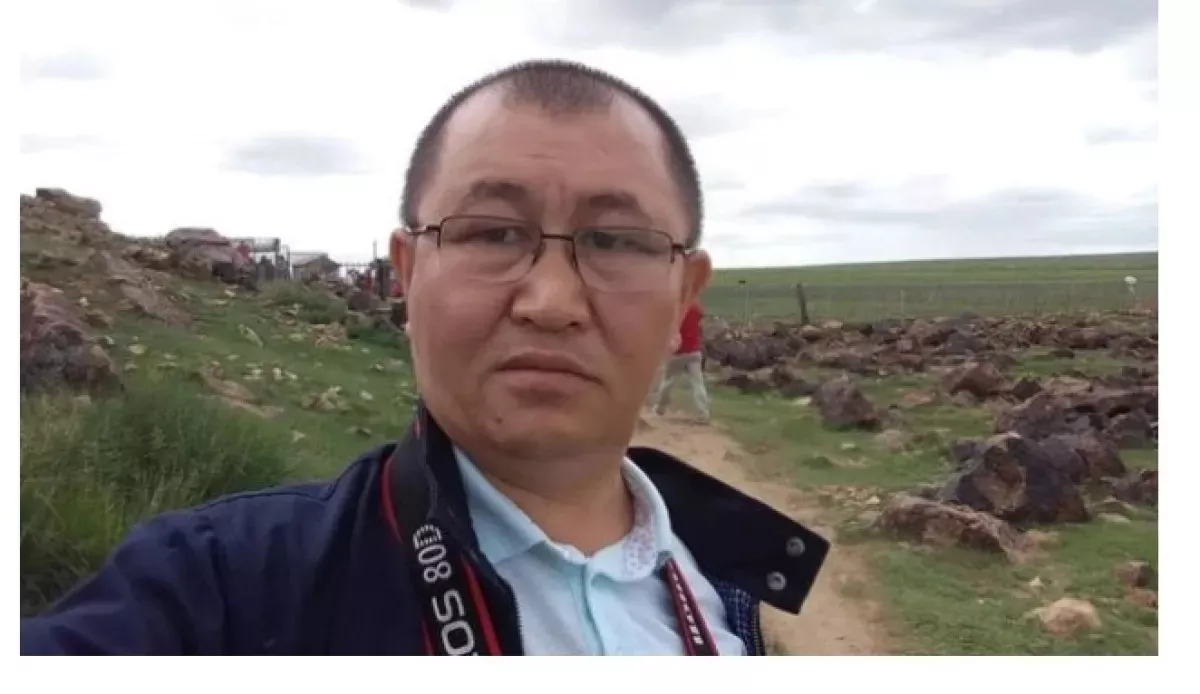
In particular, a military analyst from Kazakhstan, Amangeldi Qurmetuly, expressed his support for Ilham Aliyev’s initiative because, in his view, military exercises under the aegis of the OTS have never been conducted before.
"Within the framework of the OTS, our countries cooperate well in areas such as energy, transport, investment, the banking sector, education, artificial intelligence, and so on, but there is no direct military cooperation. Therefore, President Aliyev’s initiative is very important.
First, it is important for the domestic audience, the people of our countries, since the populations expect the Turkic states to unite in the field of military cooperation.
Second, it is significant for the international audience, sending a strong message to all international actors without exception.
Third, it is necessary for the militaries of our countries," he said.
According to the expert, during such exercises, soldiers and officers from fraternal states will have the opportunity to get to know each other and exchange experiences. In particular, officers from the armies of Central Asian countries could learn from the experience of militaries from NATO member countries, such as Türkiye: "In addition, the Turkic countries can study the specific military experience of the Azerbaijani army, which, as is known, distinguished itself with its potential, skills, and effective military strategy during the 44-day war."
He also reminded that Kazakhstan and Azerbaijan have conducted bilateral military exercises: "Since 2021, Kazakhstan has held joint military exercises with Uzbekistan and Kyrgyzstan. In 2024, Azerbaijan, Kazakhstan, Uzbekistan, Kyrgyzstan, and Tajikistan conducted large-scale joint exercises, but Turkmenistan and Türkiye did not participate. Therefore, the idea of holding such exercises under the aegis of the OTS is extremely interesting."
Qurmetuly expressed confidence that all member countries of the Organisation of Turkic States would agree to Ilham Aliyev’s proposal: "The President of Azerbaijan simply and clearly explained that holding such events is extremely necessary and important. And if Aliyev stated that these messages are being sent to Turkic countries through diplomatic channels, there is no doubt that this year a general agreement will be reached among the OTS member countries, and by autumn we can expect the first such joint exercises to take place."
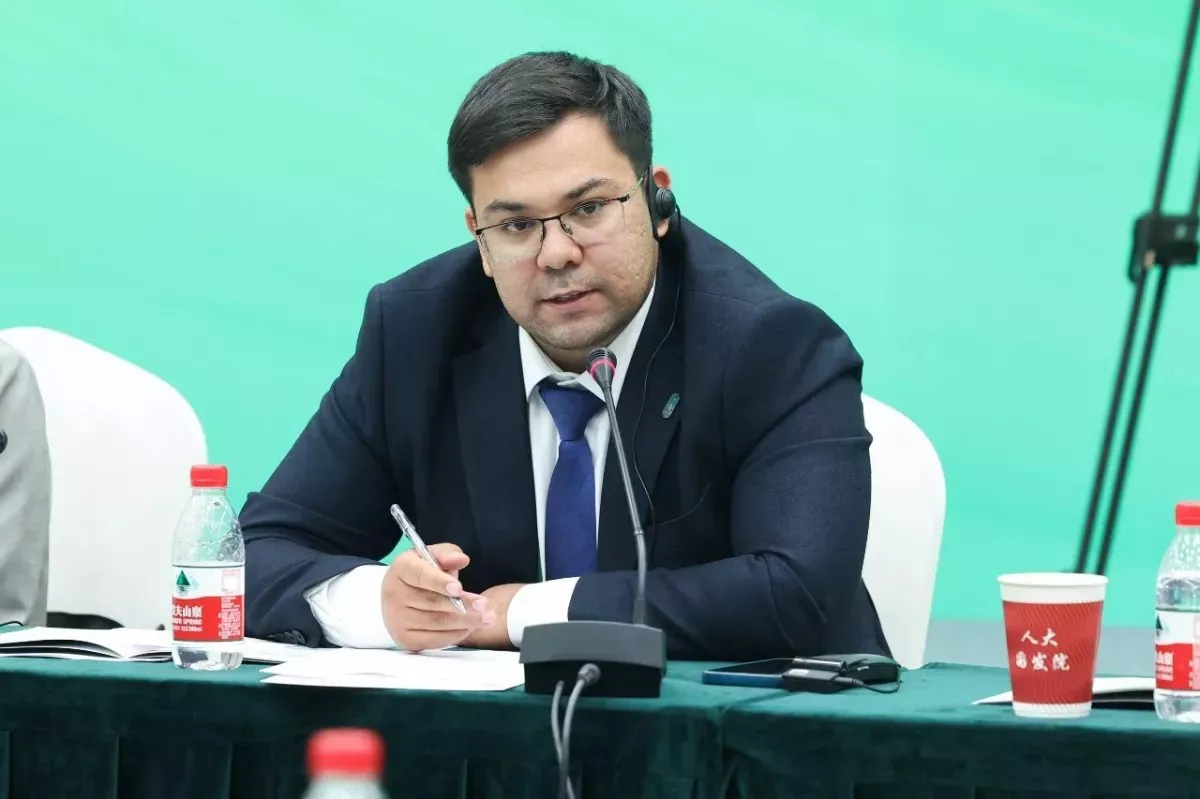
Meanwhile, Bunyod Tillakhujaev, Uzbek political scientist, Chief Specialist of the Department for Monitoring and Analyzing Reforms in the Fields of Security and Foreign Policy, noted that the interview of the Azerbaijani president represents a broad reflection on the transformation of the modern world order and, in particular, is a statement about changes in the international relations system, in which previous norms and mechanisms are losing their role.
"In his responses, Ilham Aliyev, on the one hand, emphasises the need to maintain sufficient military potential to ensure sovereignty, and on the other hand, he stresses restraint and the understanding that long-term stability is possible only by minimising confrontation.
Analysing the interview of the Azerbaijani head of state, one can certainly agree that changes are currently taking place in the regional and global security architecture, affecting the interests of all states across the Turkic world alike. At the same time, Ilham Aliyev’s remarks on developing military cooperation within the Organisation of Turkic States should not be interpreted as an intention to form a new military-political bloc. It is also important to note that this initiative is not a one-off proposal, but rather a logical continuation of a broader vision of modern security, in which cooperation and mutual support become the main instruments for preventing threats," the expert said.
In his opinion, for Uzbekistan, cooperation within the Organisation of Turkic States has traditionally focused on economic development, transport connectivity, energy, as well as humanitarian and cultural ties.
"At the same time, in my view, security serves as the fundamental prerequisite for the sustainable implementation of these areas. Uzbekistan actively participates in various formats of interaction, where military cooperation plays a distinct role. For example, last year the international military exercises 'Unity-2025' were held, in which military personnel from Uzbekistan, Kazakhstan, Kyrgyzstan, Tajikistan, and Azerbaijan participated. These exercises covered a wide range of complex combat tasks, such as conducting reconnaissance operations using unmanned aerial vehicles. In this context, taking into account the principles of the Defence Doctrine of the Republic of Uzbekistan, joint military exercises of a practical nature and other similar events can become a logical complement to existing formats of interaction.
Overall, the Azerbaijani president’s proposal can be seen as an indicator of the institutional maturation of the Organisation of Turkic States and its gradual transition from solidarity to practice-oriented cooperation," stated Tillakhujaev.
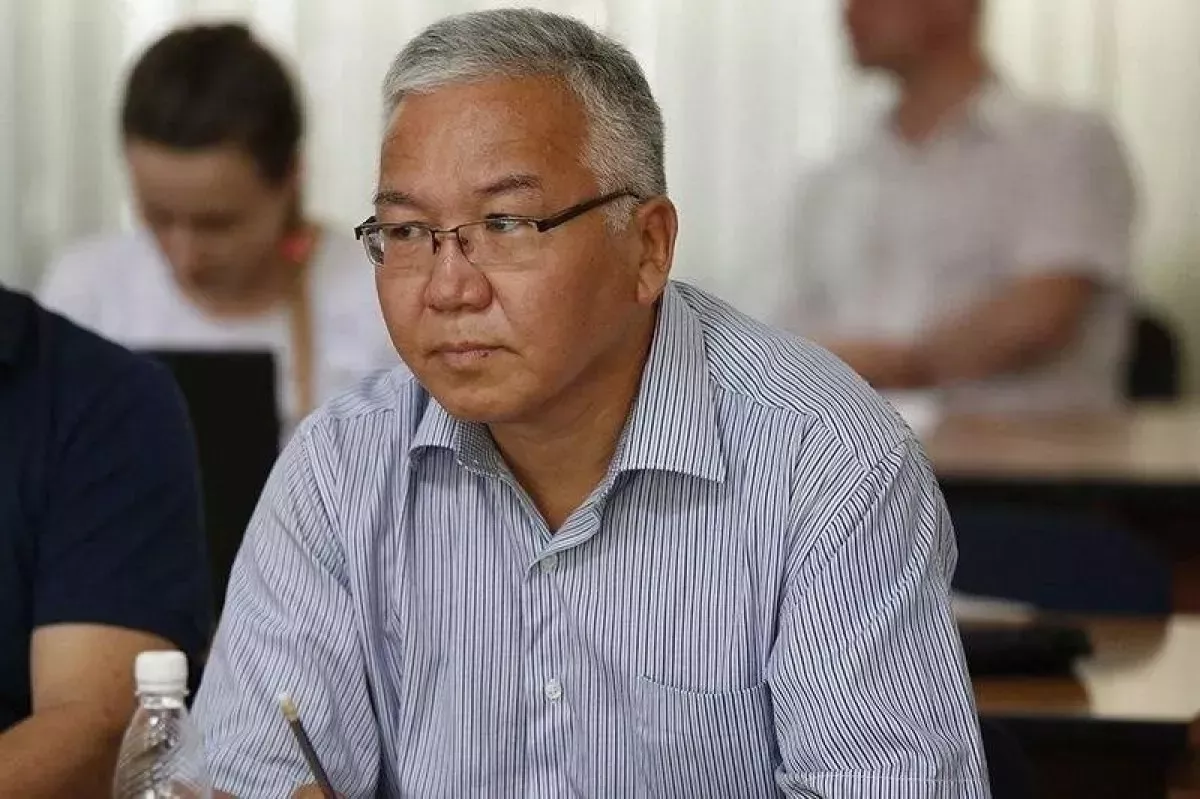
In turn, Kyrgyz political scientist and regional security expert Mars Sariyev believes that the strengthening of dynamics in military cooperation is hindered not by a lack of political will as such, but by the differing levels of strategic priorities and commitments of the parties. Regional countries are integrated differently into existing security systems, and not all are ready for formal military alliances, which automatically create both external and internal risks.
"The creation of a full-fledged military alliance is theoretically possible; however, in practice, this is the most complex form of interaction, requiring a shared understanding of threats, unified command, compatible standards, and, most importantly, readiness to assume collective responsibility. At present, such a consensus does not exist. A more realistic approach appears to be gradual — deepening coordination of intelligence and security services, conducting joint exercises, exchanging information, and cooperating in border security and cybersecurity. This model can, over time, lay the foundation for more robust alliance forms if political and public readiness emerges.
Meanwhile, the strengthening of interaction dynamics is also hindered by objective structural constraints. First and foremost, Kyrgyzstan and Kazakhstan are members of the CSTO [Collective Security Treaty Organisation], which means that any significant expansion of military cooperation with Türkiye — a NATO member — would inevitably be perceived very negatively by Russia. This is a serious restraining factor and one of the key reasons for a cautious approach in the security sphere.
An additional context is the overall complication of the international situation following the U.S. military operation in Venezuela. It gives the impression that the Trump administration reached tacit agreements with Moscow and Beijing on delineating spheres of influence. Within this configuration, Russia apparently gains space to manage the Ukrainian crisis — it is no coincidence that new figures are coming to the forefront. At the same time, Central Asia remains within the political influence of China and Russia. Meanwhile, China likely received guarantees regarding the Taiwan issue, which is of strategic significance for it," concluded Sariyev.







 editor@caliber.az
 +994 55 444-88-98
 Азербайджан, Баку, ул. Низами, 203, Af Business House, 5-й этаж