










West reconsiders its confrontation with China Missed opportunity
This week’s World Economic Forum in Davos demonstrated the growing toxicity in relations among members of the collective West and its allies. Amid the bickering and even outright rudeness at the highest level, it was almost forgotten that until recently, there was a consensus in the Western world regarding the main objective — confronting China and Russia. Moreover, major Western powers are coming to realise that the time for a forceful neutralisation of China as a future global hegemon has been missed, leaving only the option to negotiate for as long and as gradual an evolution of the world order as possible.
On January 23, the United States, in its new national defence strategy, abandoned confrontation with China as a top priority. The United Kingdom recently agreed to expand the presence of Chinese diplomats and intelligence services, while Canada signed a strategic partnership agreement with the PRC. Only smaller countries in the collective West and its allies in other regions continue to follow previous directives aimed at uncompromisingly pushing China out. Attitudes toward such issues are precisely what determine the real sovereignty of a given country.
China aims for the West’s “financial heart”
Amid the scandals over Greenland and Davos, one important piece of news has been largely overlooked. On January 20, the United Kingdom allowed China to build a new “mega-embassy” in London. The dispute over this project has lasted for several years. Back in 2018, Beijing purchased a plot of land near the Tower of London for £250 million, on the site of the former Royal Mint. China planned to construct its largest embassy in Europe there.
This would not only consolidate seven existing sites where Chinese diplomats operate in London into a single complex, but also further expand the presence of Chinese state representatives, including intelligence services and military personnel, in a key city of a major Western country. After all, London is not just another Western European city—it is virtually the financial centre of the “collective West.”
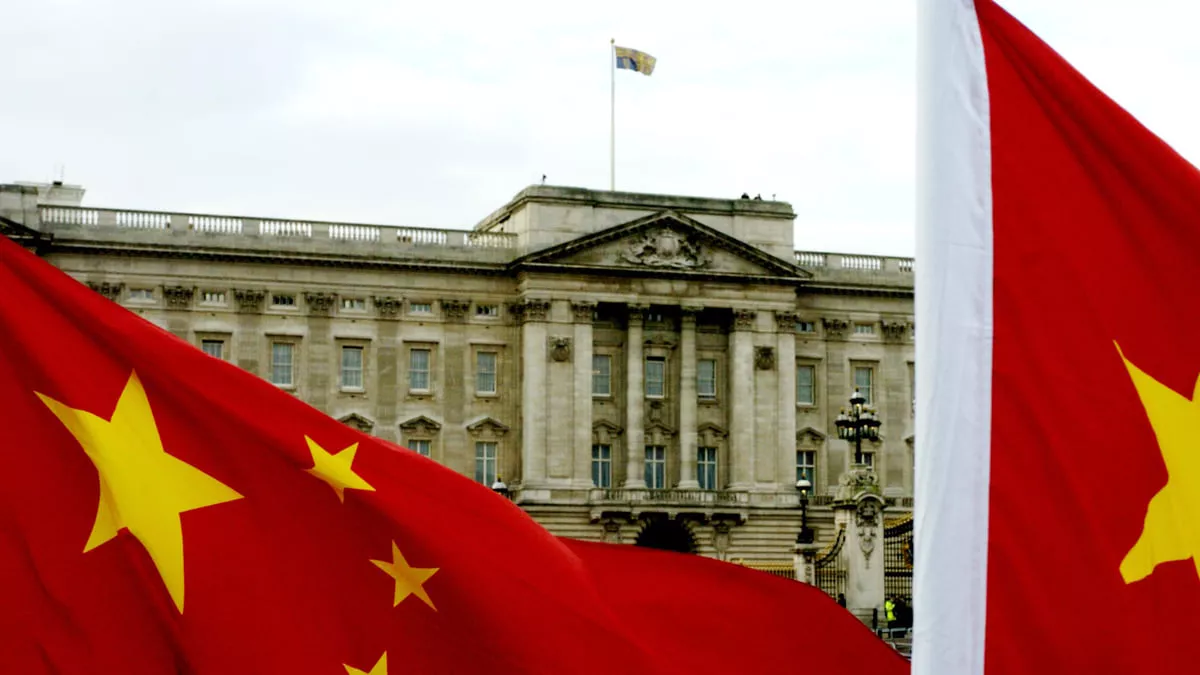
The United Kingdom remains the main ally of the global hegemon, the United States. This fact has not changed, even today, when British leadership occasionally acts against Trump alongside Euro-liberals.
To understand the significance of the deployment of Chinese diplomats and intelligence services in the heart of the collective West, it is worth recalling a geopolitical concept currently popular in China, developed by American Admiral Alfred Thayer Mahan. In formulating his naval strategy, he emphasised that a great power should not rush to war; rather, its policy should be built around trade, using maritime communications.
These trade routes, like the roots of a tree, nourish the state as the trunk. Consequently, both the routes and the commerce itself must be supported by force—not only through a navy (ships and bases) but also through diplomatic presence. If successful, trade provides the government with sufficient revenue to fund both its fleet and its diplomatic activities abroad.
With the above in mind, it becomes clear why Beijing had to make a concerted effort just to secure a piece of land in one of the most strategically important parts of London. The Chinese side was fully aware of the cynical nature of Western liberal elites and leveraged it. Quietly, they reached an understanding with the supposedly “principled” champion of democracy, Boris Johnson, who at the time headed the UK Foreign Office. Johnson clearly understood the implications, so the official document was signed only by his aide, while the British minister himself limited himself to a non-binding letter promising his Chinese counterpart, Wang Yi, that no obstacles would be placed in the way of the embassy’s construction. As the saying goes, there is no corruption in the West—but there is lobbying, consulting, offshore structures, and so on.
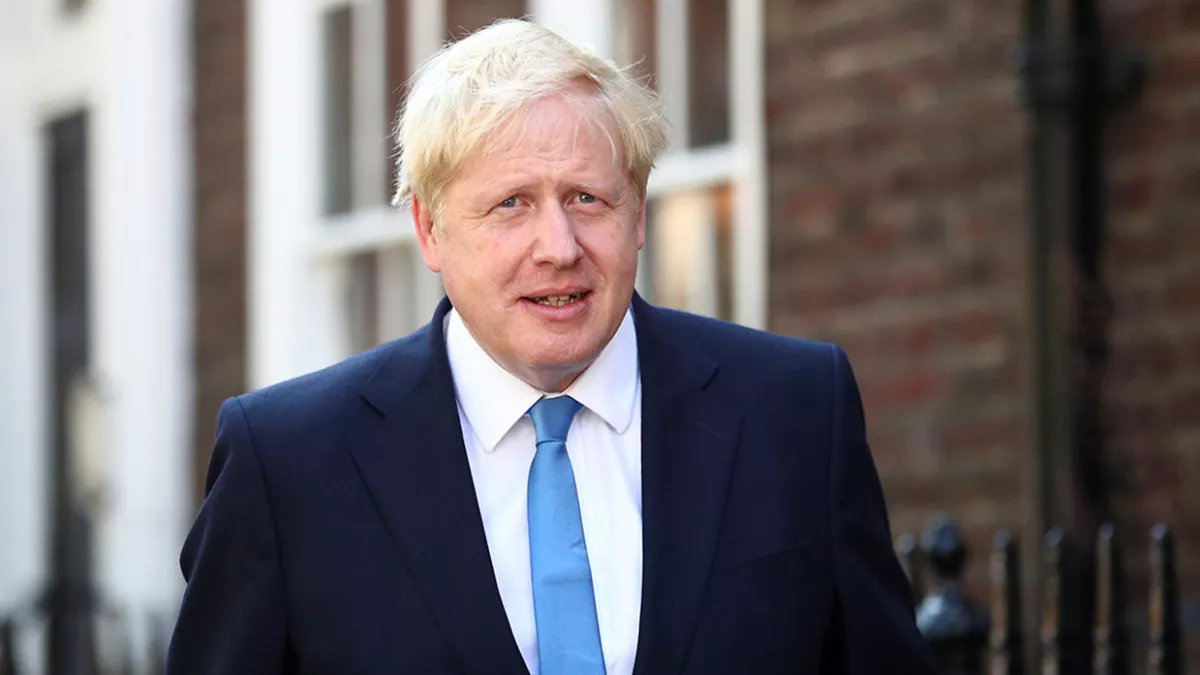
However, reaching an agreement with Johnson did not resolve all issues. The significance of the new deployment of Chinese diplomats and intelligence services was immediately recognised by other British authorities and institutions. After all, the new Chinese facility is being built next to the City, London’s financial district, and near multiple telecommunications networks of the largest Western banks operating there. According to the British press, the embassy itself will contain “208 secret rooms,” which could be used for intelligence purposes as well as covert operations.
In short, the Chinese planned their new facility very much in the style of Western embassies in non-Western countries. Naturally, this does not sit well with the British, who are accustomed to playing on one side only—conducting espionage and interfering in the internal affairs of countries around the world, and, when caught, having their media portray the “idiots” in local intelligence services as paranoid about spies.
The criticism of the new facility fit into the broader atmosphere of British–Chinese relations at the time. In 2021, London imposed sanctions on several Chinese officials “for human rights violations in connection with the persecution of the Uyghur Muslim minority in Xinjiang.” How sincere was this? It becomes clear if one recalls that by then the mentioned Chinese government measures had already begun to wind down, and, in general, the relevant Chinese government campaign had affected the Uyghurs even earlier and on a larger scale. Overall, British policy was driven solely by political expediency and the need to pressure China. In response, Beijing imposed sanctions on members of the British Parliament for “lying and spreading disinformation” about the situation in the Xinjiang Uyghur Autonomous Region, after which the Chinese ambassador to the UK was even barred from entering the parliamentary building.
UK rethinks its China policy
The general negative atmosphere allowed the British to block the Chinese embassy issue at the level of local authorities—who supposedly decided independently that the interests of their district and its residents did not allow a Chinese diplomatic facility there. At the time, the British government, together with the previous American administration confronting China, pretended that a strict separation of powers existed in their country and that they could do nothing about the council’s decision. The bureaucratic delays allowed the matter to stretch until the expiration of China’s application.
Beijing then waited for a change in power in London, and after the Labour Party came to power, it resubmitted its embassy application. In August 2024, Chinese President Xi Jinping discussed the embassy with the new UK Prime Minister, Keir Starmer.
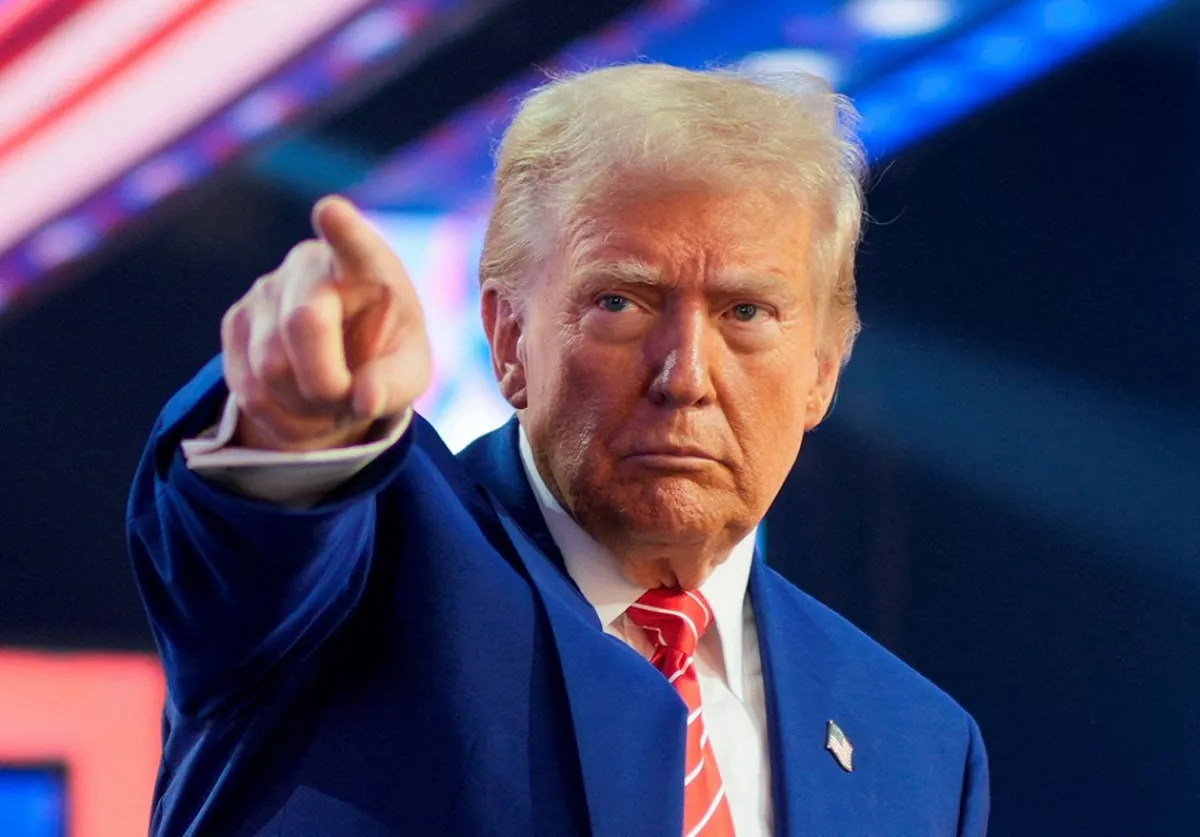
By that time, the geopolitical situation had changed significantly, and the consensus within the collective West on the need to concentrate efforts on countering China had collapsed. The US liberal establishment failed to put forward a credible candidate against Trump, and Washington became mired in domestic disputes, while the EU had little attention to spare for China, being preoccupied with fighting Trump and continuing the war with Russia.
As a result, EU politicians who had long spoken about “decoupling” from China began turning to Beijing. The British, in turn, decided it was time to reconsider their own approach. It turned out that in a country of supposedly unchanging rules, the government could easily adjust construction regulations in its favour, taking the matter away from the local council. British authorities also announced that they could easily manage the increased Chinese presence. In fact, as the UK government stated, it was even better for China to have such a large embassy rather than seven separate sites—it would simplify surveillance.
All of this is merely an excuse for their own capitulation. Today, this can be stated with confidence. It is evident in a number of other issues. For example, although mutual sanctions exist between the countries, London has already shifted its stance on a very symbolic matter—charges of espionage on behalf of China. In October, the English prosecution dropped a year-and-a-half-long investigation into allegations of spying for China, leaving two accused individuals alone. Previously, such outcomes were only achievable for Western countries whose agents were detained in developing states and then released amid the outcry of Western-funded media and NGOs over “spy mania” and “violations of democratic rights and freedoms.” Now, however, Beijing is achieving the same within the West—is this not a sign of a changing world order?
China arrests the leader of a pro-West “Maidan”
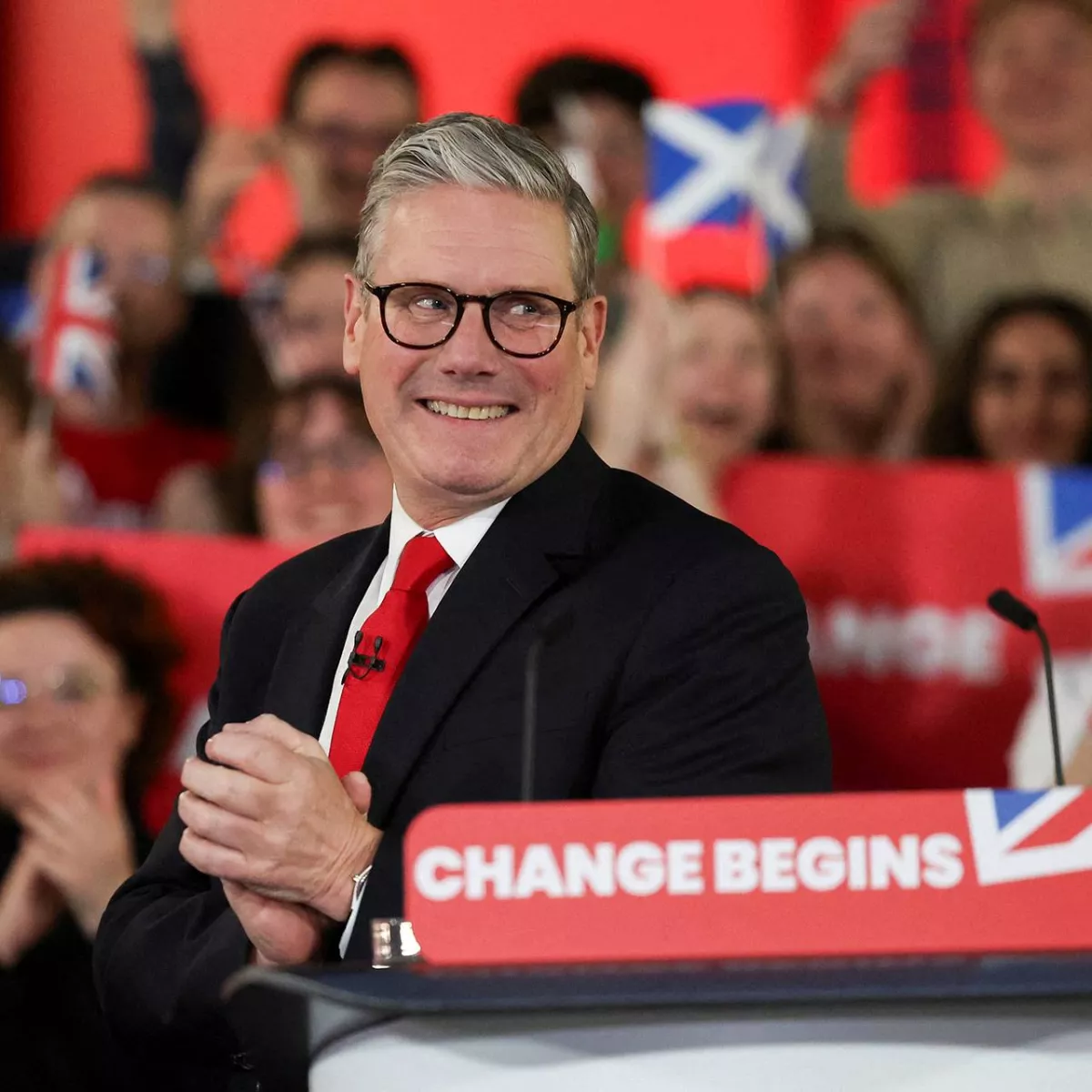
In December, British Prime Minister Keir Starmer himself announced that, after many years of “cold” relations with China, the United Kingdom needed to adopt a “more measured” position on the matter. At the end of January, Starmer plans to visit Beijing—the first visit by a British prime minister to China in eight years.
This visit takes place against the backdrop of a noteworthy event. China is about to hand down a harsh sentence to Jimmy Lai. This British passport-holding multimillionaire tirelessly organised mass protests in Hong Kong (a former British colony, now a Special Administrative Region of the PRC) in 2019–2020. Behind this “Maidan,” there were plans to expand his influence across all of China. However, the “democratic movement” in Hong Kong matters to Britain for a more modest and prosaic reason—it allows London to maintain the influence it retained from colonial times, now repackaged in “democratic tones.”
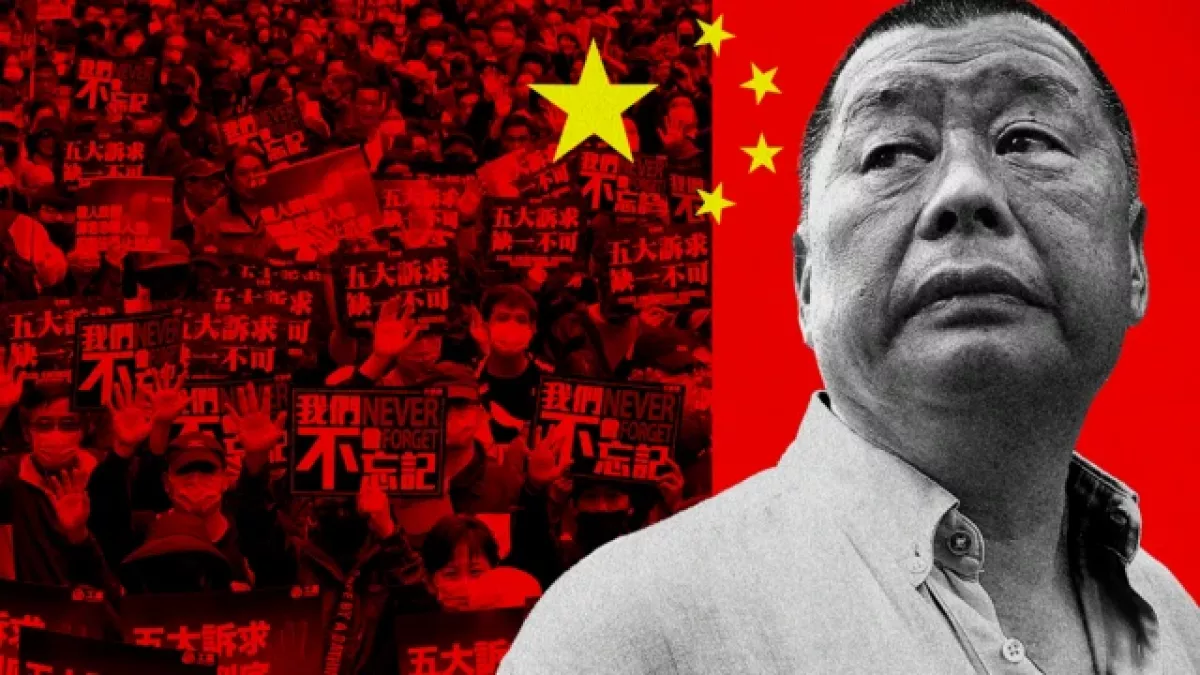
Jimmy Lai organised the protests while in contact with US leadership, meeting simultaneously with the Vice President, Secretary of State, and the President’s National Security Advisor. A colourful article about this has now been removed from CNN’s website, but it is still accessible in archives—and it’s worth reading. Jimmy did not mince his words and openly declared: “We in Hong Kong are fighting for the shared values of the US against China. We are fighting their war in the enemy camp.” He was confident that, with photos alongside top US officials and a British passport in his pocket, he had nothing to worry about: the Chinese authorities might arrest him, but they would eventually release him or, at worst, exchange him—paving the way for a Nobel Peace Prize and a comfortable retirement.
But the world built by Western empires was already beginning to break apart. It wasn’t only the Taliban in flip-flops tearing up agreements with the US, or the Houthis with rusty RPGs blocking the approaches to the Suez Canal. Chinese authorities simply and calmly imprisoned Jimmy Lai once the “Maidan” protests he had organised fizzled out. And it turned out to be for a long time—most likely permanently. It goes without saying that this had never happened before—previously, it was usually ordinary activists in non-Western countries who suffered, the so-called “cannon fodder” of democracy, while leaders such as Rabia Kadir, Aung San Suu Kyi, or the Dalai Lama eventually found themselves free, then appearing on stages, panels, and TV in Western countries.
Canada: The EU and China’s strategic foothold in the Americas
In general, the issue of the new Chinese embassy goes beyond the intricacies of British politics. It represents further evidence of the changing political climate in the West. And these changes are not limited to a single aspect; rather, one phenomenon triggers another, and a whole range of issues converge to undermine long-standing structures and mechanisms. Much of this remains hidden behind a veil of scandals and sometimes takes extravagant forms—as we are currently witnessing in the case of US leadership.
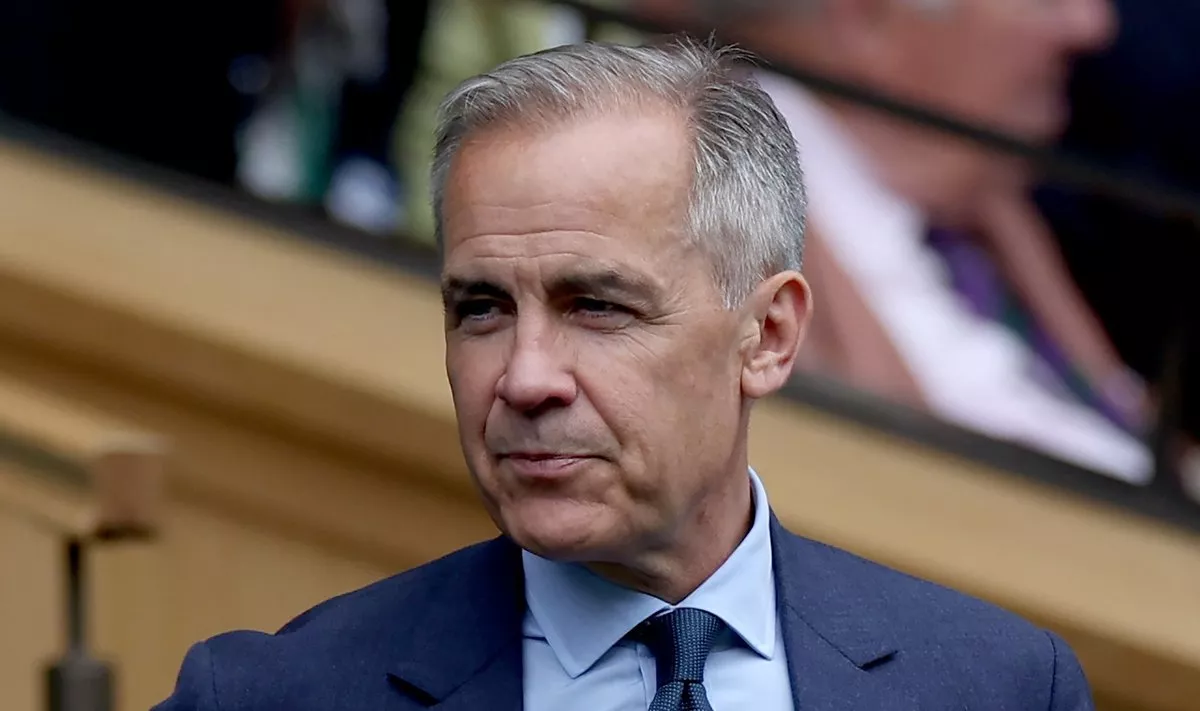
But it makes sense to note several facts—better yet, to cite them in the words of influential Western liberal politicians. This week in Davos, former Governor of the Bank of England and now Prime Minister of Canada, Mark Carney, delivered a striking speech in which he laid out a curious arc of arguments.
He began with a sorrowful admission of features of global politics that have long been obvious to non-Western countries:
"We [Western countries] knew the story of the international rules-based order was partially false…we knew that international law applied with varying rigour depending on the identity of the accused or the victim.
This fiction was useful… We participated in the rituals, and we largely avoided calling out the gaps between rhetoric and reality. This bargain no longer works. Let me be direct. We are in the midst of a rupture, not a transition… You cannot live within the lie of mutual benefit through integration, when integration becomes the source of your subordination."
The Canadian Prime Minister, whose government has faced pressure from the US and now hints at a possible accession to the EU, then drew his organisational conclusion from the situation: "Allies [in NATO] will diversify to hedge against uncertainty. They'll buy insurance, increase options in order to rebuild sovereignty – sovereignty that was once grounded in rules, but will increasingly be anchored in the ability to withstand pressure."
For Mark Carney, these are no longer just reflections but a summary of steps he has already taken:
"We are rapidly diversifying abroad. We have agreed a comprehensive strategic partnership with the EU, including joining SAFE, the European defence procurement arrangements. We have signed 12 other trade and security deals on four continents in six months. The past few days, we've concluded new strategic partnerships with China and Qatar."
In other words, the disputes between countries of the “collective West,” even for a major player like Canada, are no longer limited to intra-bloc disagreements—when Carney declares that “we firmly stand with Greenland and Denmark” against the US. They have reached the point where Canada is opening its doors on the American continent not only to the European Union but also to America’s global competitor—China.
Against the backdrop of this step, even news that the Canadian army conducted exercises preparing to repel an American invasion fades into the background. And indeed, with China establishing such a foothold on the American continent, discussions about the revival of the “Monroe Doctrine” and references to American operations against Venezuela now sound unconvincing.
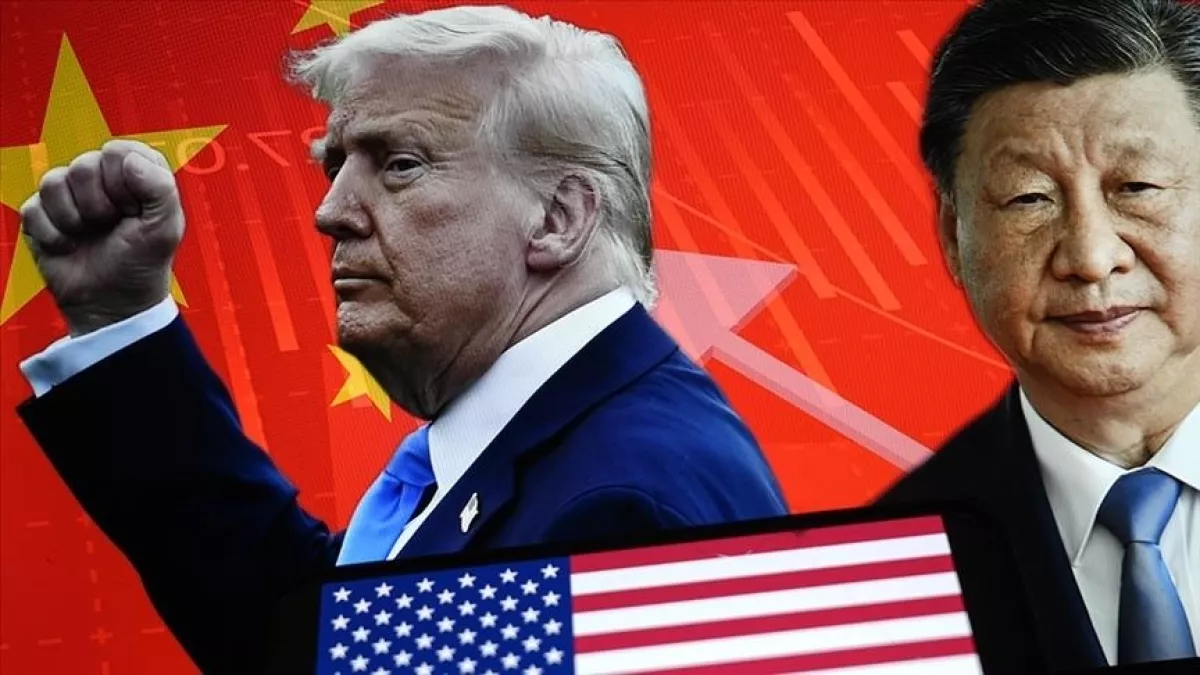
Meanwhile, in the United States, there is growing recognition that China can no longer be stopped, and it is therefore time to address adaptation to the rise of the PRC and the expansion of its global presence. As we have noted repeatedly, American leadership treats its Chinese counterparts—whose economy, science, and technology continue to grow even amid global crises—with far more respect than it does Western liberal elites, who barely hold on to power in rapidly declining economies and technologically stagnating countries.
Recent illustrations of this include the invitation extended to Chinese leadership to the “Board of Peace” by Trump, and the new US National Defence Strategy published on January 23. The strategy formally abandons the course of confrontation with Beijing and emphasises that relations with China should be based on “strength, not confrontation”, with the goal “not to dominate China; nor is it to strangle or humiliate them.” Furthermore, for the first time in many years, the strategy makes no reference to the separatist entity on the Chinese island of Taiwan.
Therefore, the steps taken by the United Kingdom and Canada should not be seen solely as a challenge to Washington. Key Western states are responding to broader trends of increasing Chinese influence and to the increasingly restrained American reaction to that rise, and they have no intention of standing in the way of the locomotive of history.







 editor@caliber.az
 +994 55 444-88-98
 Азербайджан, Баку, ул. Низами, 203, Af Business House, 5-й этаж