










Zangezur Corridor as a driver of Eurasian connectivity Expert opinions on Caliber.Az
Representatives of the Organisation of Turkic States (OTS) discussed in Baku the importance of opening the Zangezur Corridor. The discussion took place within the framework of the first Solidarity Forum of NGOs from the Organisation of Turkic States Member Countries.
“The Zangezur Corridor is a symbol of unity for the Turkic world,” said Mergen Kepbanov, Director of the CAREC Project Office in Turkmenistan. According to him, “The Zangezur Corridor creates conditions for developing cooperation in the Turkic world in economic and cultural spheres, strengthening public diplomacy, and other areas. Turkmenistan is ready to enhance cooperation with all countries of the Turkic world in every direction.”
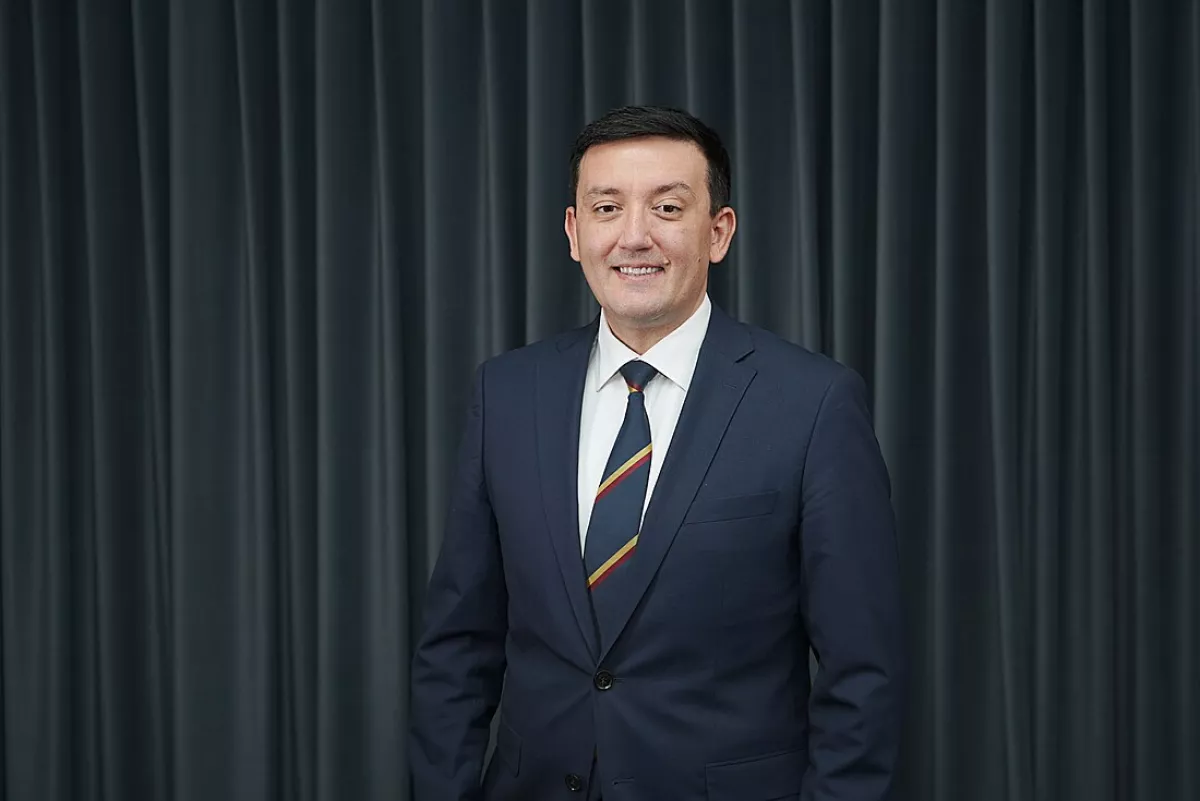
The Chairman of the Legislative Chamber Committee of the Oliy Majlis of Uzbekistan and head of the “Yuksalish” movement, Bobur Bekmurodov, stated that “the Zangezur Corridor holds strategic significance for the Turkic world and the broader Eurasian region.”
“The Zangezur Corridor is part of the Middle Corridor, connecting East and West. It will provide us with the shortest and most convenient transit route. It will bring benefits in terms of logistics and cost reduction. At the same time, this corridor will support us in diversifying and developing foreign trade. Overall, it can be said that connectivity between Central Asia and the South Caucasus is entering a new stage thanks to the Zangezur Corridor. We understand that peace and stability are necessary for the implementation of such projects. In this context, Uzbekistan supports the peace process between Azerbaijan and Armenia,” emphasised Bobur Bekmurodov.
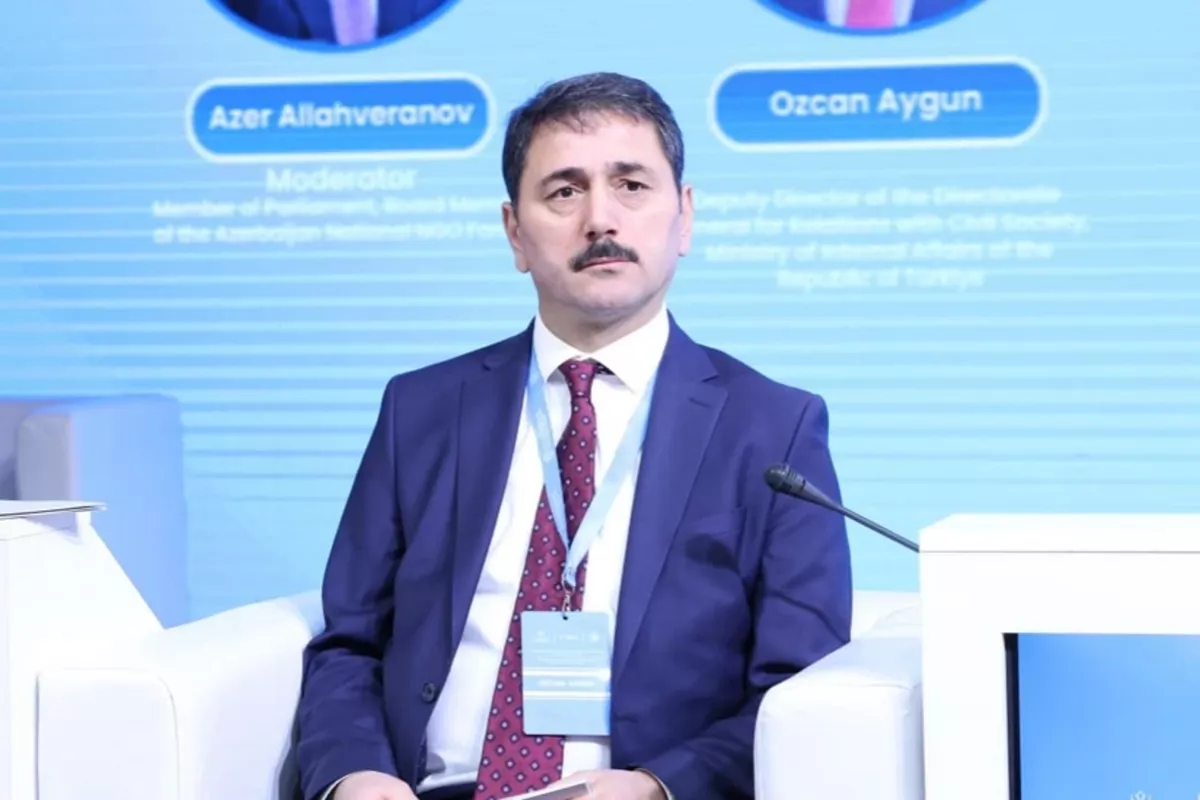
Deputy Director of the Department for Relations with Civil Society at the Turkish Ministry of Interior, Özcan Aygün, also commented, stating that “the full-scale launch of the Zangezur Corridor will be a historic event and will make a significant contribution to the regional and global economy.” He noted that the Zangezur Corridor will primarily bring substantial benefits to the economies of the region and individual countries, as well as to the global economy.
“If the opening of the Suez Canal brought major advantages to the countries of its region and the global economy, then the Zangezur Corridor will mark the beginning of serious changes in the economy of our region,” emphasised Özcan Aygün.
Notably, the significance of this project is hard to overstate. The corridor is planned to run along a 42-kilometre stretch of the Armenian-Iranian border, along the northern bank of the Aras River, effectively linking the railway and road networks of Türkiye, Azerbaijan, and further into Central Asian states. Considering its broader geography, it will serve as a direct transport and freight bridge between Europe and China.
Renowned regional experts have also shared their opinions on this project with Caliber.Az.

Turkish analyst, Doctor of Political Science, and Professor Haydar Çakmak first of all reminded that the Zangezur region was inhabited by Turkic peoples until 1921.
“Both Imperial Russia and the Soviet Union claimed that people of Turkic origin would pose a threat in the future, and therefore implemented strategic, identity-related changes in this region. They divided peoples who spoke similar languages into separate nations: Kazakhs, Kyrgyz, Azerbaijanis, Uzbeks, and Turkmens,” the professor argued.
According to him, the Soviet government incorporated the Zangezur region into Armenia in order to block transport links between Turkic peoples in Central Asia, the Caucasus, and Türkiye.
“The Soviet government pursued two goals: first, to cut off communication between the Turkic peoples, and second, to establish its dominance by stirring up a territorial dispute between Azerbaijan and Armenia. It aimed to act as an arbitrator, sowing chaos and making these two countries dependent on itself.
However, other wars and the arrival of the United States in the region became serious obstacles to these plans. And although the final outcome in the form of a functioning Zangezur Corridor has not yet been achieved, Russia and Iran have already failed to attain the results they expected and desired,” concluded Çakmak.
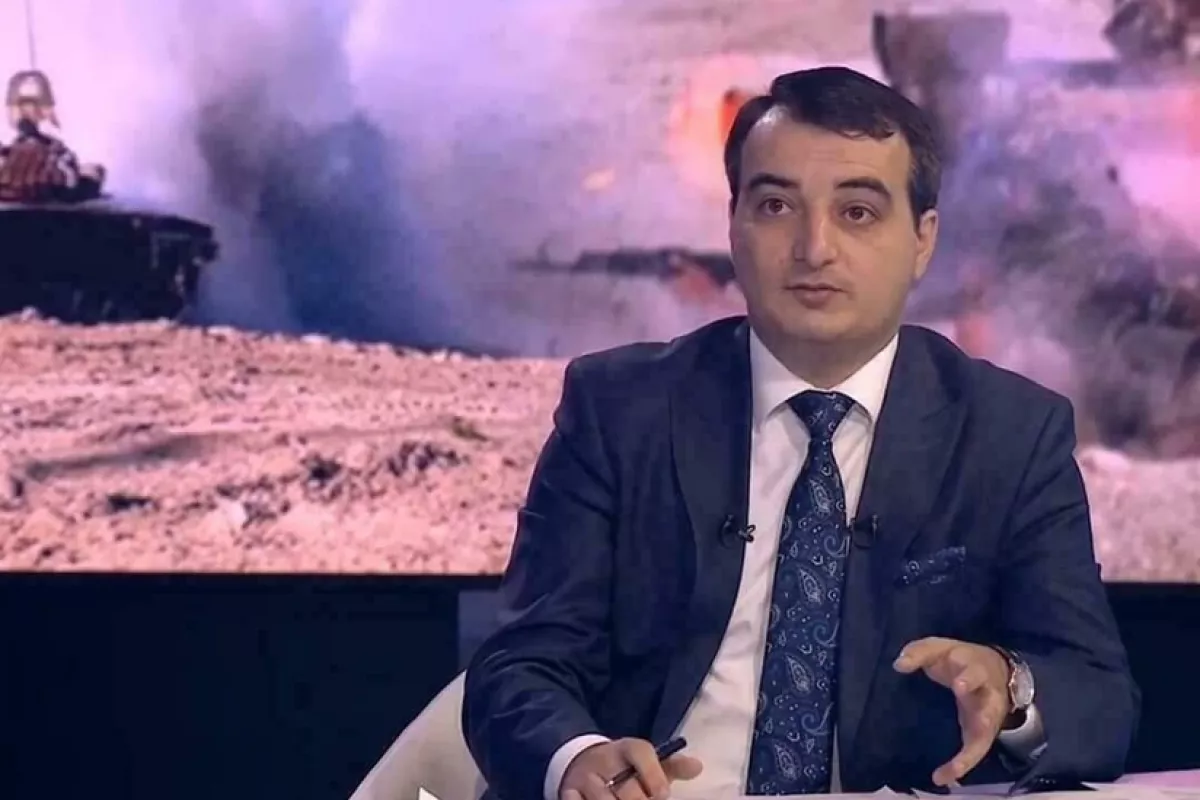
Doctor of Philosophy in Political Science and Head of the Social Research Sector, Ilyas Huseynov, stated that after the Patriotic War in the South Caucasus, new geopolitical realities have emerged, and one of the priority areas for cooperation, coordination, sustainable development, peace, security, and stability is now the Zangezur Corridor.
“Since August 8, this focus has significantly increased. Today, the topic of the Zangezur Corridor is being discussed at various forums, symposia, and discussion platforms. Within the framework of the OTS NGO event, we also see discussions related to logistics, transport, and communications. A special role here is assigned to the Zangezur Corridor.
This is because it is a very important segment of the Middle Corridor, which will connect Central Asia, the Caspian, the South Caucasus, Türkiye, and Europe. Looking globally, it is a crucial route linking East and West. The North–South route can also be integrated into this corridor.
We are witnessing endless wars, geopolitical confrontations, and competition over road and rail networks. Against this backdrop, attention to the Zangezur Corridor is growing significantly. Many Central Asian countries also want to participate in this initiative, and it is encouraging that Azerbaijan is already an integral part of Central Asia’s processes.
In the capital of Uzbekistan, Tashkent, a historic decision was made to include Azerbaijan in the summit of Central Asian leaders. The next such meeting will be held in Turkmenistan with Azerbaijan participating as a full member in this consultative council,” the researcher recalled.
He also noted that integration within the OTS is deepening.
“It is very important that representatives of civil society also see the Zangezur Corridor as a crucial bridge for establishing and expanding our political, economic, transport, and energy relations. Alongside the Zangezur Corridor, which will consist of road and rail links, this route will also be able to carry electricity, natural gas, and other resources.
This means there are very important goals related to expanding the route through additional communications and infrastructure. I believe that in the near future we will witness the opening of this corridor, which will contribute to strengthening peace and security in the South Caucasus. Our region has been a field of confrontation for decades, and the Zangezur Corridor will become a bridge for friendship, good-neighbourly relations, and cooperation,” Huseynov said.







 editor@caliber.az
 +994 55 444-88-98
 Азербайджан, Баку, ул. Низами, 203, Af Business House, 5-й этаж