










Azerbaijan simplifies logistics Transit without stops
As a key transport hub of the Middle Corridor, Azerbaijan has for several years been developing a modern transport infrastructure while simultaneously introducing new IT solutions in logistics, cross-border trade, and import-export operations. Recently, these efforts have been closely coordinated with regional countries through partnership programs aimed at expanding the capacity and digitalisation of the Trans-Caspian International Transport Route (TITR). A logical continuation of these efforts is the decree signed on December 15 by the head of state on additional measures to digitalise activities in the fields of import-export, transit, transport, and logistics.
As experience from the European Union, the United States, Canada, China, and several other developed regions shows, a key condition for simplifying and expanding foreign trade today, as well as increasing profits in cross-border transport routes, is the maximum use of multimodal transport schemes and the implementation of interstate integration systems based on digital data exchange. This specifically involves various platforms for electronic exchange of transport documents and permits, as well as the digitalisation of all import-export and transit operations, ensuring unified digital access to this information.
Similar work is actively underway in the post-Soviet space, and as an active participant in these processes, Azerbaijan has for many years been steadily introducing digital mechanisms within the operations of the State Customs Committee (SCC). For example, by expanding the capabilities of SCC’s electronic resources—the e-customs platform and its mobile version, Smart Customs—and through modern digital solutions for risk assessment and electronic details in the simplified “green corridor” clearance system, the SCC has been able to reduce physical inspections of goods by over 70% and increase the throughput capacity of customs checkpoints more than threefold.
The development of digital logistics is also a key driver of modernisation processes in Azerbaijan Railways CJSC, the Azerbaijan Caspian Shipping Company (ASCO), as well as the country’s seaports and air cargo terminals, among others.
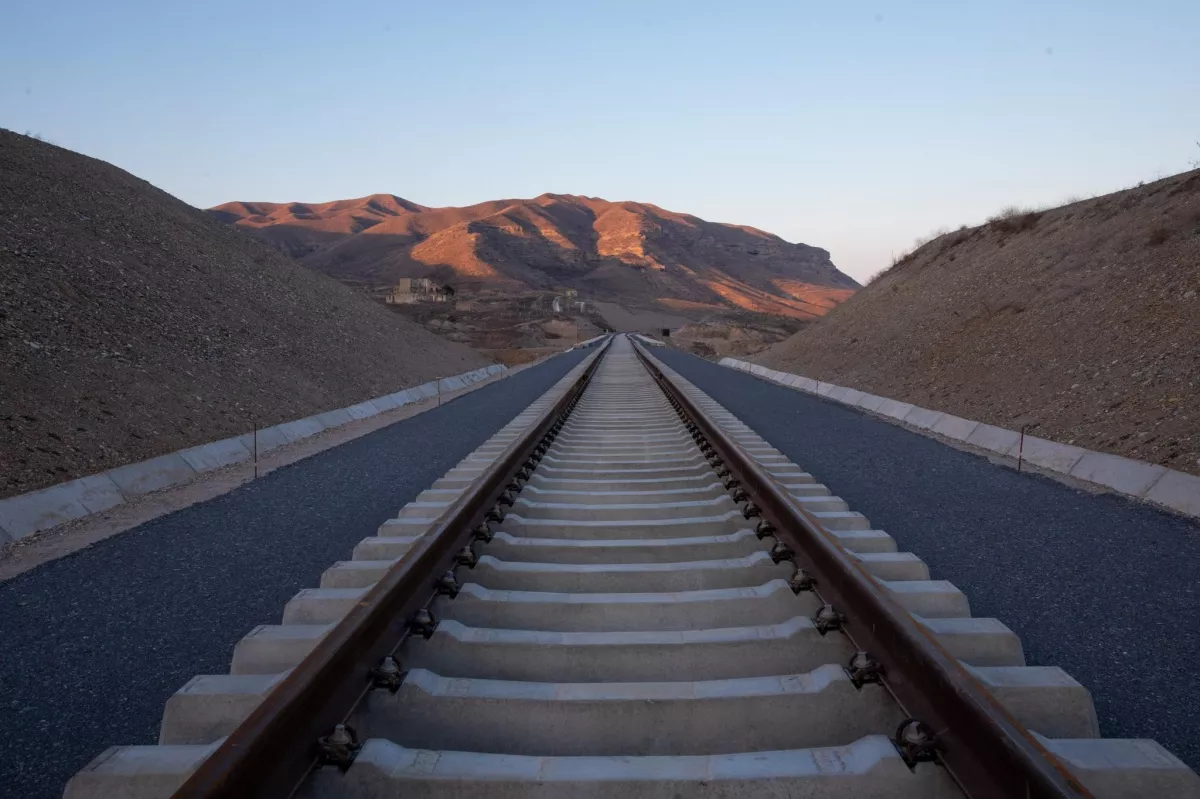
Together with key partners along the TITR—Astana, Ankara, and Tbilisi—Azerbaijan has been implementing the 2022–2027 Roadmap for the coordinated elimination of bottlenecks and the development of the Middle Corridor for the third consecutive year. This work focuses on improving and standardising cross-border and customs procedures, digitalising logistics, introducing unified IT solutions, and establishing digital document exchange.
In the railway, maritime, and road transport sectors, systems for digital marking and electronic queues at borders have been developed and implemented. The use of electronic navigation seals on transit cargo and special trackers on road vehicles has begun. Digital tools are being created for issuing permits and shipping documents through a “single-window” system, while electronic technologies for collecting and verifying carrier information and generating carrier ratings based on cargo transport data are being further developed.
The measures listed above are by no means an exhaustive list of the digital mechanisms Azerbaijan has implemented in recent years to ensure seamless multimodal container transport fully processed in electronic form. This includes the integration of the information systems of Azerbaijan and Kazakhstan Railways with the customs module of the DTC (Digital Trade Corridor) Tez Customs platform, with similar work planned for Georgian Railways. TITR partners also plan to launch the “Blockchain Digital Corridor” platform in the near future, which will unify document workflow, customs clearance, and cargo tracking procedures into a single ecosystem. Joining the UN e-CMR (Electronic Consignment Note) protocol, as well as utilising the E-TIR system for road transport between Uzbekistan and Azerbaijan, further supports these goals.
Nevertheless, regional countries need to intensify these efforts. As recently noted by Minister of Digital Development and Transport Rashad Nabiyev: “The main obstacles to the development of major transport corridors remain differences in border standards, insufficient digitalisation, and a lack of infrastructure.”
According to research by experts from the Organisation for Economic Co-operation and Development (OECD), due to insufficient digital coordination, the routes of the Middle Corridor still face challenges related to limited multimodality and containerisation, and regional logistics lacks comprehensive digital services along the entire corridor. To address these shortcomings, countries of the Caspian–Black Sea region have prioritised the implementation of a joint digital platform or interface for cargo tracking and management of logistics documentation, as well as the introduction of blockchain-based smart contracts to simplify partner interactions, making cargo transport fully transparent and establishing a system of digital trust. Equally important is the unification of national digital transit and customs document management systems in line with the common standards of organisations such as the EAEU, BRICS, SCO, ASEAN, and, of course, the Organisation of Turkic States (OTS).

In this context, Azerbaijan will need to establish a unified mechanism to consolidate all transport, logistics, and customs information within a single digital “single-window” platform. This task will be guided by the decree issued on December 15 by President Ilham Aliyev, which provides for the creation of the “Single Window” information system and the enhancement of the state mechanism for regulating foreign trade. According to the decree, the Cabinet of Ministers will serve as the system’s owner, while the Ministry of Digital Development and Transport will be appointed as its operator.
The new mechanism is designed to ensure effective coordination among relevant state agencies, create a fully digital environment based on a single entry point for import-export, transit, transport, and logistics operations, and implement a “smart” system for managing cargo flows. The functionality of the future unified digital information system is expected to be extensive.
It will allow participants in foreign trade and transit operators to submit all necessary documents—including commercial and transport documents—through the “Single Window.” Required documents and information on vehicles and transported goods will also be generated electronically within the system. The platform will provide comprehensive information on border-crossing procedures, transport rules and conditions, and will handle user inquiries.
Another feature will be the ability to conclude cargo transport contracts electronically, provide data on executed contracts, and digitally track cargo throughout its route. Naturally, the digital portal will also enable payments and offer access to statistical information related to these activities.
The new digital system will allow seamless data exchange with other state information systems and resources, covering areas such as licensing and permits (including certificates and conformity assessments), public services in taxation, food safety, agriculture, road transport, state registration, and taxpayer accounting. It will also facilitate identification procedures, border entry and exit processes, and registration requirements.
Users will gain access to databases and document workflows across civil aviation, railway, and maritime transport authorities, as well as with financial institutions and insurance companies for payments, liability coverage, and cargo insurance.
Thus, the main advantage of the new information system is the consolidation of transport-logistics, customs, tax, financial, and other procedures into a single digital format. Such broad access will save entrepreneurs time, eliminate unnecessary bureaucratic hurdles, and, through the digitalisation of all procedures, make the entire process as transparent as possible.







 editor@caliber.az
 +994 55 444-88-98
 Азербайджан, Баку, ул. Низами, 203, Af Business House, 5-й этаж