










“Baku expects action from Brussels, not just beautiful words” Experts on the EU’s new initiative for the Zangezur Corridor
The EU Commissioner for Enlargement, Marta Kos, made a number of noteworthy statements regarding the Zangezur Corridor during a briefing with Armenian Foreign Minister Ararat Mirzoyan in Brussels.
Kos, in particular, noted that to effectively unblock transport routes, the EU is proposing its own solution: the creation of a special four-party format consisting of Azerbaijan, Türkiye, Armenia, and Europe, which would address these issues.
According to her, the European Union is ready to facilitate the normalisation of relations between Armenia, on the one hand, and Azerbaijan and Türkiye, on the other. She also assured that Brussels is working with Baku and Ankara on this matter.
This statement from the EU representative came somewhat unexpectedly, considering that after the significant agreements reached between Baku and Yerevan on August 8 in Washington, the EU had largely avoided addressing the issue of the Zangezur Corridor.
As a result, logical questions arise: “Why has the European Union decided to become active now in unblocking communications in the South Caucasus?” and “What does the ‘four-party’ formula—referring to a special group composed of Azerbaijan, Türkiye, Armenia, and Europe—actually mean, and how would it work in practice?”
To analyse and assess this EU initiative, Caliber.Az turned to Azerbaijani and Turkish experts.
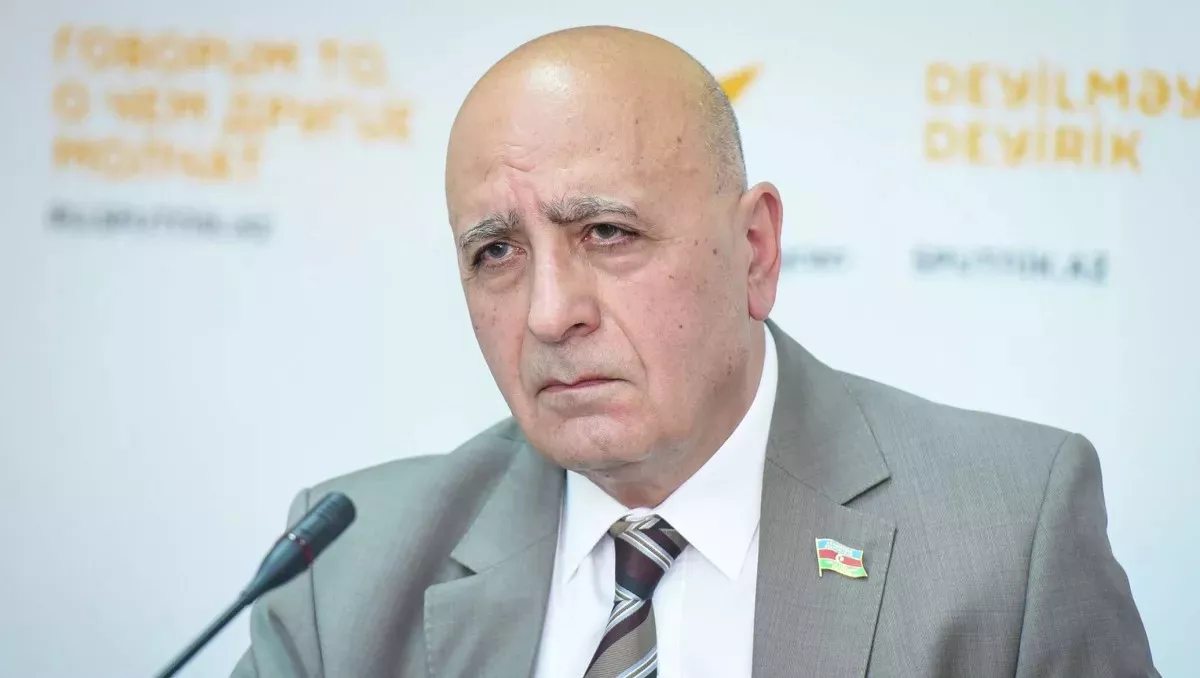
Azerbaijani MP and international relations expert Rasim Musabayov recalled that Azerbaijani President’s aide Hikmet Hajiyev, while in Brussels, drew the attention of senior European officials to the strategic importance of the Zangezur Corridor for the EU.
“Hikmet Hajiyev also made it clear that if the European Union has a heightened interest in Central Asia, particularly in its resources such as uranium, and wants a reliable transport route into the region, the most dependable option is precisely the Zangezur Corridor. However, for Azerbaijan, it is not enough for the EU to once again limit itself to a series of positive, welcoming statements—Baku can do without verbal support and praise.
For example, the United States has provided Armenia not only with political backing but also with the necessary financial resources to restore railway and road links through Meghri. So what prevents the European Union from taking on certain financial commitments in this matter—especially given that it has shown unprecedented generosity by allocating substantial funds to Armenia for the construction of the North–South highway? The most interesting part is that this road is of no real significance to the EU, as it is not intended for any transport connections serving Europe. It merely links Armenia with Iran, giving the Islamic Republic of Iran access via Armenian territory to Georgian ports. So why did the EU allocate so much money for its construction—tunnelling, building bridges? And all this is being carried out by construction companies affiliated with the IRGC in Armenia using European funds,” the MP emphasised.
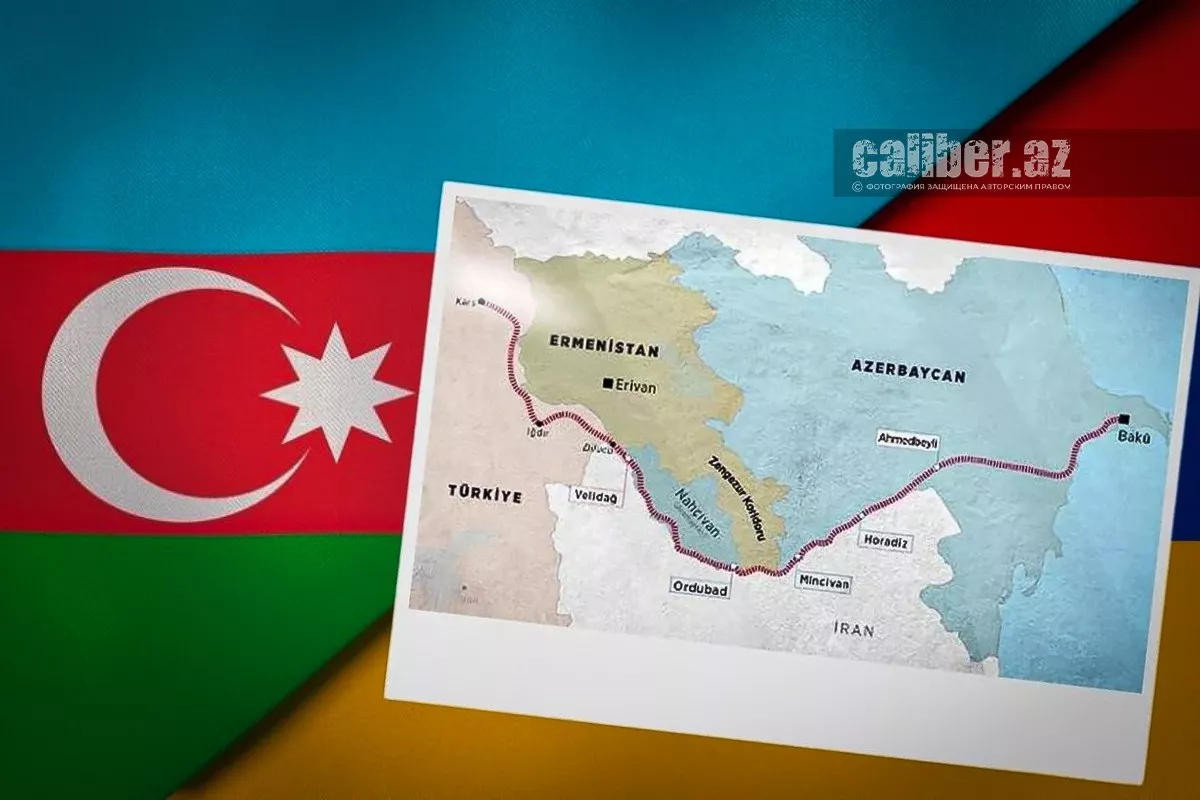
In his view, the only corridor that truly matters for the European Union is the Zangezur Corridor itself, not routes across Armenian territory.
“We have a concrete proposal: the railway in Nakhchivan is intact—it hasn’t been dismantled—but it has been largely unused for the past 35 years. To ensure a sufficiently high capacity, it needs major repairs: replacing sleepers, rails, and contact equipment. In other words, achieving a high throughput for the Nakhchivan route will require substantial additional investment. So why shouldn’t the European Union allocate funds specifically for this section?
We often hear approving quotes from Brussels, particularly from Ursula von der Leyen, regarding Azerbaijan increasing gas supplies to Europe. Yet we have seen no readiness on the part of the EU to provide direct funding or grants for this. European banks do not independently provide loans for such projects due to EC instructions not to finance energy projects. This creates a strange situation: Europe wants gas, but is unwilling to enter long-term contracts that would enable loans or financial resources to implement these projects. So, if in the context of unblocking transport communications, the EU intends to take the same stance, then, thanks, we can manage without them,” the political analyst said.
He also noted that it would be genuinely surprising if the EU decided to allocate funds for the reconstruction of Armenia’s railways, since they are operated by Russian Railways (RZD), and such an approach would mean the EU indirectly financing RZD—a sanctioned entity.
“Azerbaijan will be waiting for concrete steps, based on which it will evaluate the European Union’s involvement in implementing this route. But I repeat: if the EU’s position is limited to approving words and nods, they should understand the following—once this corridor is already in operation, the EU can expect an adequate response from Azerbaijan regarding its engagement. Overall, I believe now is the right time for the European Union to consider direct participation in this project, in order to become a partner rather than a mere observer,” Musabayov said.
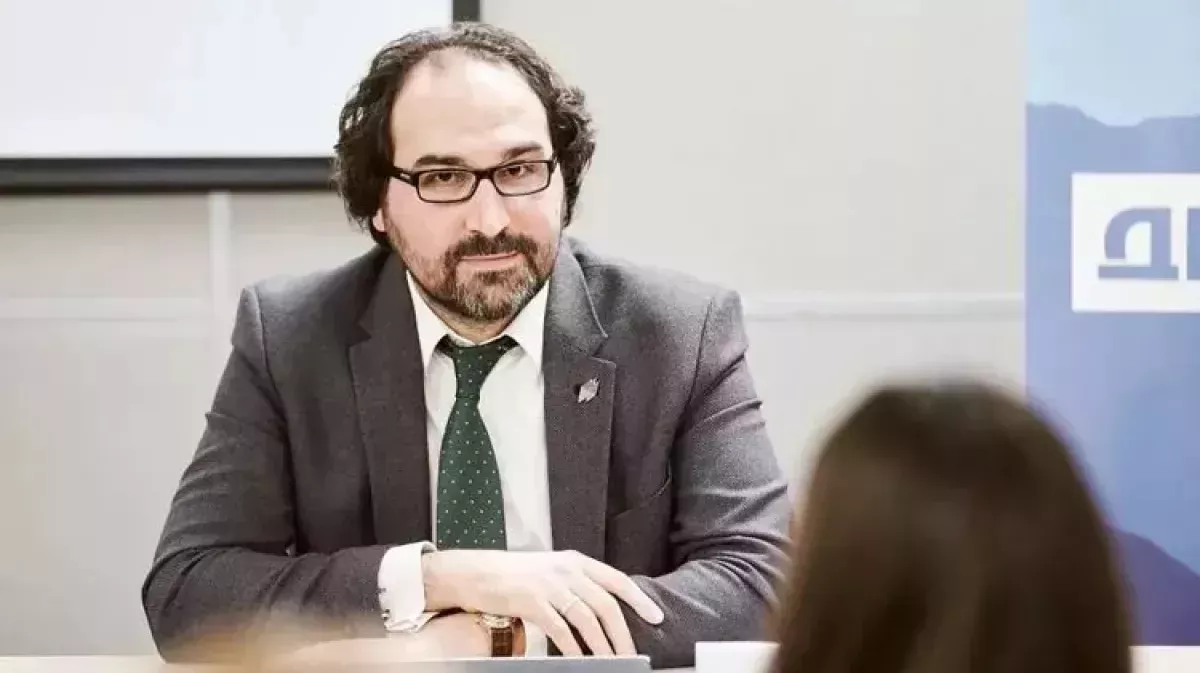
Meanwhile, according to Turkish expert Kerim Has, the current situation has required the European Union to adopt a more active—and at the same time more balanced—policy in the South Caucasus toward both Baku and Yerevan.
“Unfortunately, both before the Second Karabakh War and after Azerbaijan’s victory, the EU’s approach to the liberation of Azerbaijani territories remained clearly Armenia-centric. In some cases, it was even more pronounced than the positions of Russia and the United States. In theory, the EU’s proposed four-party format could have a positive effect on the unblocking process, but in my view, its actual impact will remain limited,” he said.
The political analyst also noted that the current dynamics of direct dialogue between Baku and Yerevan are effective in themselves.
“We can see that the bilateral format works successfully: for example, very recently Armenian representatives met with the Azerbaijani side in Gabala, and a reciprocal visit by Azerbaijani representatives to Armenia is expected to discuss demarcation and delimitation. Meanwhile, civil societies of the two countries are conducting important joint events, creating a positive agenda and genuinely advancing the peace process. In fact, it is bilateral contacts that yield the most tangible results,” the expert emphasised.
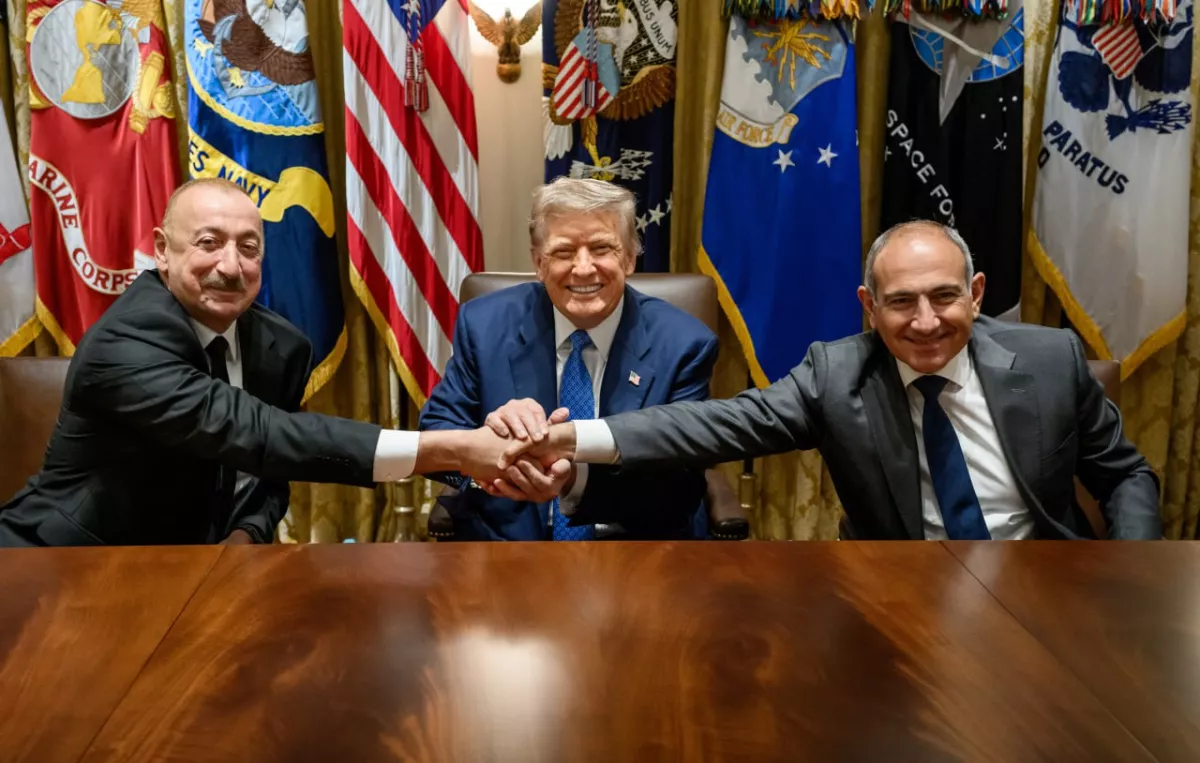
According to him, after August 8, Brussels felt increasingly sidelined from key processes: “The European Union saw that Russia’s role in the Zangezur Corridor is rapidly diminishing, while the influence of the United States and Türkiye is growing. The EU cannot afford to remain on the sidelines. The balance of power in the South Caucasus is changing, and Brussels is seeking to integrate itself into this process.”
At the same time, Has emphasised that the potential of the four-party mechanism to influence the Armenia–Türkiye track will also be limited.
“Contacts between Ankara and Yerevan are happening independently. Pashinyan has already visited Türkiye and met with Erdoğan; the parties are discussing the restoration of communications, including railway links and border crossings. In practice, the normalisation process is underway and is unlikely to depend on any new format. The upcoming elections in Armenia and the possible signing of a peace agreement between Baku and Yerevan are themselves shaping the trajectory of this process and the involvement of the parties,” the analyst said.
However, the expert noted that such a format appears useful and pragmatic for all participants.
“For Armenia, this is an additional platform to deepen engagement with the European Union. Pashinyan is aiming for a gradual exit from the CSTO, and eventually from the EAEU. It is only a matter of time if he remains in power. The ‘four-party’ format will become another tool for Yerevan to move closer to the West. Baku, in turn, may view the EU initiative as an opportunity to expand its engagement space with the West.
Moreover, since European policy on the Karabakh issue has long been toxic for Azerbaijan, it will be useful to fill the resulting gap with pragmatic contacts. This can help minimise potential negative EU influence on the peace process. Especially considering that Azerbaijani gas is increasingly important for Europe—about ten European countries already receive it—which strengthens mutual interests.
On the other hand, Türkiye will gain additional instruments to influence European policy in the South Caucasus. Once the Zangezur Corridor is operational and a stable peace environment is established, Türkiye, Azerbaijan, Armenia, the Central Asian countries, and China will be able to more effectively utilise the entire Middle Corridor, particularly for trade between Europe and China. This region is becoming a key logistics hub, and Ankara will strengthen its position in the South Caucasus, Central Asia, and Europe alongside the regional countries.
Thus, if this mechanism actually works, all participants will be able to use it primarily in their own interests. At the same time, its real impact on the peace process will likely be rather limited, but the format could still prove useful for Azerbaijan, Armenia, Türkiye, and the European Union itself,” Kerim Has concluded.







 editor@caliber.az
 +994 55 444-88-98
 Азербайджан, Баку, ул. Низами, 203, Af Business House, 5-й этаж