










Cyprus between Türkiye and France: what will rising tensions lead to? Expert opinions on Caliber.Az
Turkish President Recep Tayyip Erdoğan warned of a “very firm response” to any actions that threaten Türkiye or Turkish Cypriots in the Eastern Mediterranean, two days after France and Cyprus signed an agreement regulating the presence of French troops on the island.
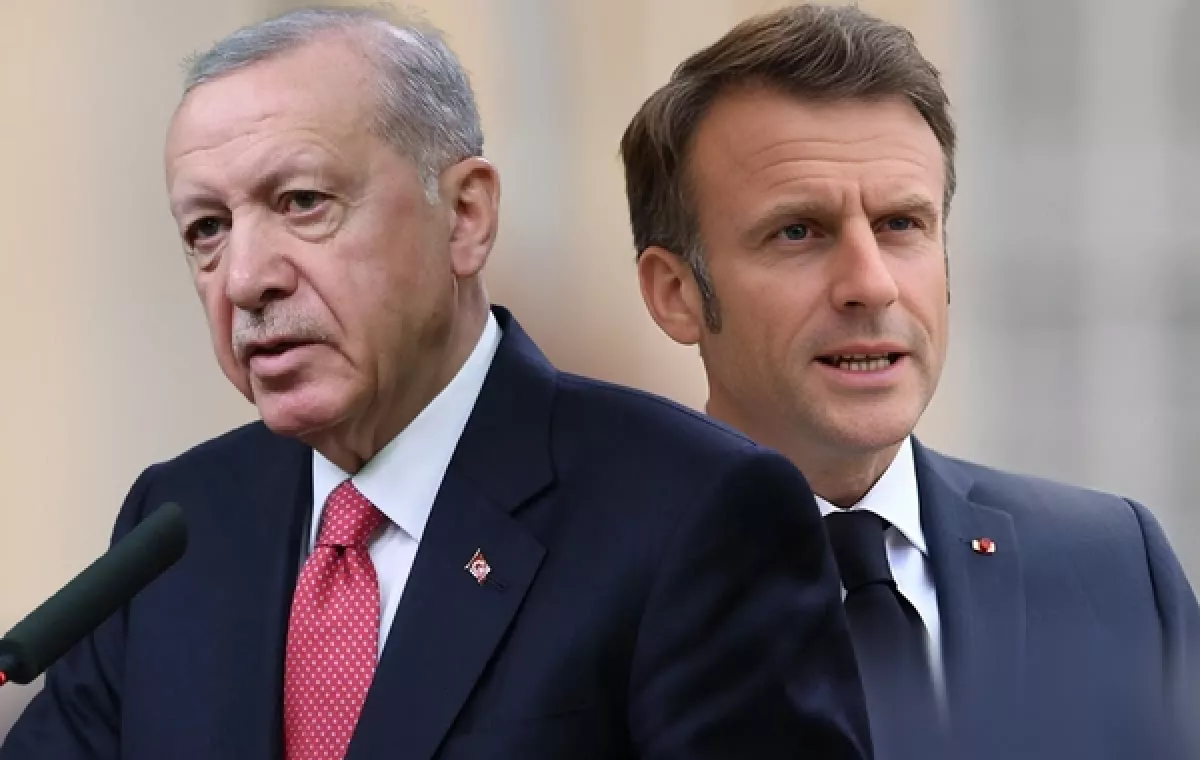
“Right now, we are witnessing an attempt to ignite discord in the Mediterranean, especially on the island of Cyprus, and we are closely monitoring developments,” Erdoğan told lawmakers from his ruling Justice and Development Party (AKP).
“Let no one engage in adventurism,” he said. “If anyone infringes upon the rights and laws of Türkiye and Turkish Cypriots in the Eastern Mediterranean, I want everyone to know: our response will be very clear and very firm.”
Erdoğan did not mention France in his warning, but he accused unnamed actors of pursuing what he described as unrealistic ambitions in the Eastern Mediterranean.
France and the Republic of Cyprus (Greek Cyprus) signed a status of forces agreement that establishes the legal framework for the presence and activities of French military personnel in Cyprus, as well as Cypriot military personnel in France.
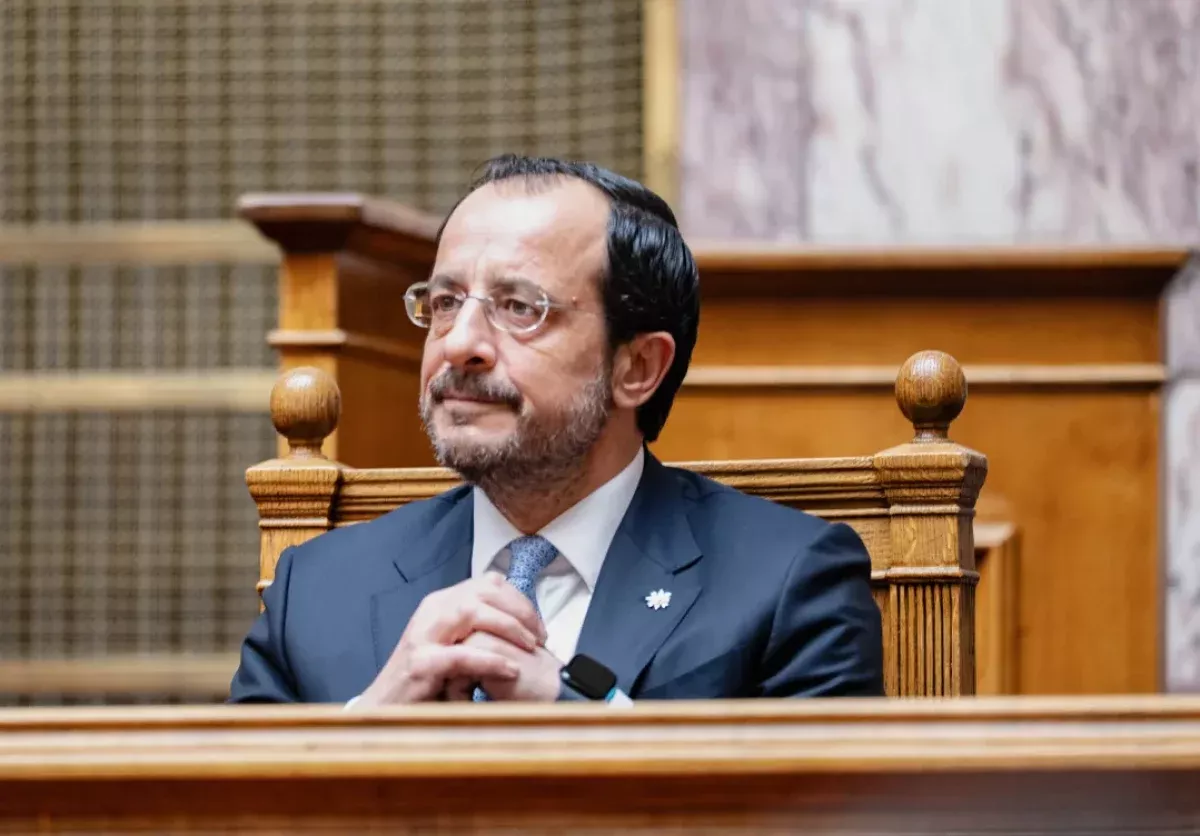
President of Cyprus Nikos Christodoulides stated that the agreement will deepen bilateral defence cooperation and contribute to the European Union’s efforts to strengthen its defence capabilities.
French President Emmanuel Macron said during his visit to the island in April that the two countries are laying the groundwork for the deployment of French troops to conduct humanitarian operations in the Eastern Mediterranean and the Middle East.
What will the deployment of French troops in the Republic of Cyprus lead to, and what is Paris aiming to achieve? Under Macron, France has already lost many of its positions on the international stage and reduced its military presence in various regions of the world. Is the deployment of a contingent in Cyprus an attempt to preserve its status as a global power? And could this step lead to rising tensions in a strategically important region at the crossroads of Europe and the Middle East?
Leading analysts shared their assessments of the situation with Caliber.Az.
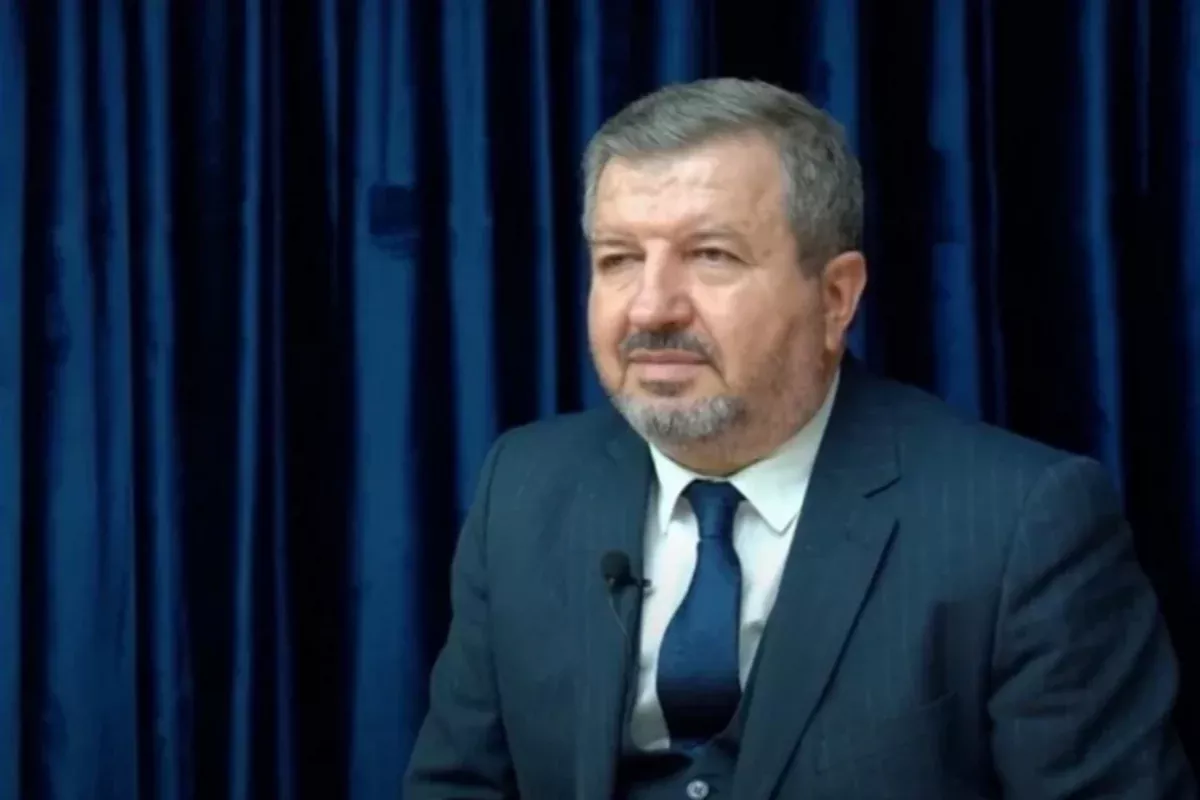
Turkish political scientist, Professor Togrul Ismayil of Ankara University, noted that Turkish President Recep Tayyip Erdoğan’s statements about readiness to deliver a “very firm response” to any threats to Türkiye’s rights and those of the Turkish Republic of Northern Cyprus represent one of the most significant signals in recent weeks for the entire Eastern Mediterranean.
“This is no longer just about Cyprus. It is about the formation of a new geopolitical node of tension between Türkiye, Europe, and other external actors.
The agreement signed between France and the Greek Cypriot administration of Southern Cyprus on the status of armed forces is formally explained by humanitarian security concerns and cooperation within the framework of the European Union. However, in Ankara it is clearly understood that such steps carry a much deeper strategic meaning.
Under Emmanuel Macron, France is attempting to preserve its image as a global power despite a significant reduction in its influence in Africa and the Middle East.
Paris has effectively lost its previous positions in Mali, Niger, and Burkina Faso. French military presence in the Sahel has come under question, while French policy increasingly faces a crisis of trust in its former colonies.
In this situation, the Eastern Mediterranean is becoming one of the last regions where Paris can still demonstrate military and political presence. That is precisely why Cyprus is seen as a convenient foothold—simultaneously close to the Middle East, North Africa, and key energy routes.
However, the problem is that the Eastern Mediterranean has long turned into an area of intense competition. The interests of Türkiye, Greece, Israel, several European Union countries, and the United States intersect there. A particularly important issue is energy resources. Ankara has repeatedly emphasised that attempts to ignore the rights of Turkish Cypriots over the region’s natural resources are unacceptable,” the professor recalled.
According to him, this is precisely why Türkiye is extremely sensitive to any increase in foreign military presence in Southern Cyprus.
“In Ankara there are concerns about the gradual formation of an anti-Turkish military-political configuration, in which France is attempting to play a key role. Today, Türkiye’s policy has changed significantly compared to the early 2000s. Ankara is no longer willing to limit itself to diplomatic protests.
Türkiye is actively developing its naval capabilities, strengthening its defence industry, and demonstrating readiness to protect its interests far beyond its own shores.
At the same time, the likelihood of a direct military confrontation between Türkiye and France remains low. Both countries are NATO members, and an open conflict within the Alliance would deal a severe blow to the entire Western security system. However, the level of political and strategic-military confrontation in the region is clearly set to increase.
Against this backdrop, Recep Tayyip Erdoğan’s statements should be seen not as an emotional reaction, but as part of a new Turkish strategy. Ankara is signalling that it is no longer prepared to accept shifts in the balance of power in the Eastern Mediterranean without taking into account its own interests and those of the Turkish Republic of Northern Cyprus.
Ultimately, the struggle over Cyprus is becoming part of a much broader process — the formation of a new balance of power between Europe, Türkiye, and the Middle East. That is why even a limited French military presence on the island can become a factor of serious regional tension,” Ismayil believes.
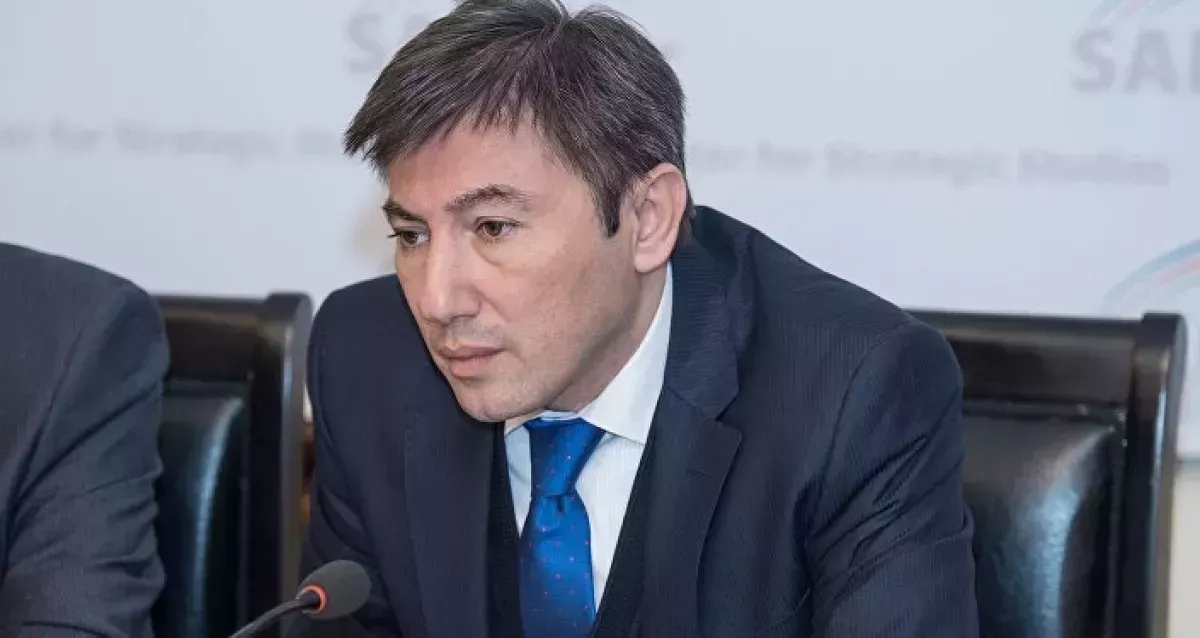
Expert on international affairs and head of the “South Caucasus” Political Scientists Club, Ilgar Velizade, stated that this story is not new and began when Emmanuel Macron first came to power in France.
“Even then, he drew attention to the Eastern Mediterranean as a potential zone of French military-political presence. At that time, the war in Syria was ongoing, and the French army was demonstrating its participation in combat operations, showing that France had leverage in the region and could be an active participant in counterterrorism efforts.
During the same period, there was a serious crisis in Türkiye’s relations with a number of states — Egypt, the Syrian government under Assad, Greece, and the Republic of Cyprus, particularly over the issue of territorial waters. For France, a guiding principle has long been: where there is conflict, there are its interests. Paris has applied a similar strategy of engagement through conflict in the South Caucasus as well. Emerging fault lines in the Mediterranean became a ‘window of opportunity’ for French entry into the region.
France actively participated in multinational military exercises and supported Field Marshal Khalifa Haftar in Libya, while Türkiye backed the UN-recognised government. Paris skillfully used contradictions between regional actors to advance its own interests. A separate episode was France’s attempt to mediate internal processes in Lebanon.
The main ‘trademark’ of French policy is the use of conflicting interests and the strengthening of its position through support for parties opposing Türkiye, which Paris views as its longstanding regional rival. If earlier France limited itself to exercises and political backing, now a qualitative shift is emerging — the direct deployment of troops, which had never happened before,” the expert emphasised.
According to him, the situation in Cyprus is further complicated by the presence of Turkish and Greek contingents, UN peacekeepers, and long-standing British military bases dating back to the colonial era.
“France appears here as a new and non-traditional actor. Türkiye’s reaction is predictably negative, but a major question is how the United Kingdom will respond.
The entry of France into a zone of traditional British geopolitical interests could trigger complex dynamics. Although Cyprus is a member of the EU and the UK has left the Union, British interests have not disappeared. Active French involvement could shift latent processes into a phase of unpredictable consequences across multiple directions.
Equally important is Israel’s reaction, which has recently been actively cooperating with Greece and Cyprus, but maintains strained relations with France. The emergence of a new player will undoubtedly increase tensions in the Eastern Mediterranean, as France is entering a region that is not traditionally considered within its sphere of influence.
Ultimately, such large-scale ambitions could prove costly for Paris, but only time will reveal the final outcome,” Velizade said.







 editor@caliber.az
 +994 55 444-88-98
 Азербайджан, Баку, ул. Низами, 203, Af Business House, 5-й этаж