










Erosion of authority: Czechia and Hungary challenge the EU The Migration Pact as a point of division
In an era of global turbulence and the emergence of strategic fault lines in the world, one actor rapidly losing its weight and authority in the international system is the European Union. This process is driven primarily—and almost exclusively—by a policy of punishment and pressure on states that are unwilling to obediently follow the course set by Brussels and Strasbourg. This approach is reflected in the form of binding directive documents, the essence and content of which are often far removed from common sense. One example of such a regulatory act is the EU Pact on Migration and Asylum.

On December 8 this year, after several months of negotiations, EU interior ministers agreed on stricter asylum rules. In particular, within the European Union, 21,000 asylum seekers are planned to be relocated from countries under the greatest migratory pressure. As part of the solidarity mechanism, less burdened member states are required to contribute an additional €420 million.
At first glance, this document does not seem entirely unreasonable—if it were not for the enigmatic phrase “solidarity mechanism,” which, upon closer examination, reveals quite ambiguous and controversial nuances.
Background: The EU solidarity mechanism is a system designed to support member states facing a migration crisis, based on a “take it or pay” principle, set to take effect in 2026. It obliges states that host few migrants either to relocate a portion of asylum seekers to their territory or to pay €20,000 for each person not accepted. The mechanism also includes funding for operational support to relieve pressure on border states.
In plain terms, this mechanism essentially demands that EU countries that once acted prudently and did not indiscriminately accept everyone must either pay for their political caution or abandon that prudence and open their borders to all.
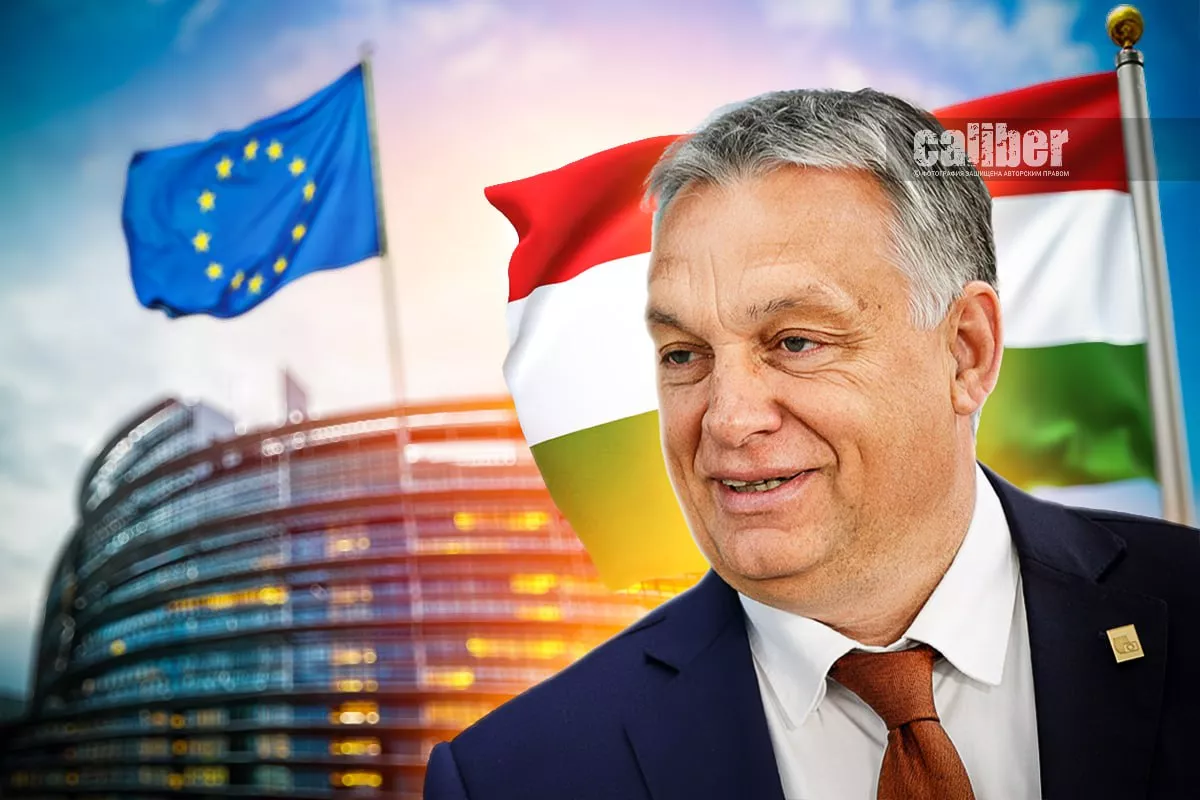
However, as the saying goes, a clash was inevitable. Hungary was the first to oppose the pact, being one of the few EU countries capable of pursuing an independent foreign policy grounded in national interests. Prime Minister Viktor Orbán stated that “With today's decision, Brussels is attempting to force Hungary to pay even more or take migrants in.”
“We will not take a single migrant in, and we will not pay for others' migrants. Hungary will not implement the measures of the Migration Pact. The rebellion begins” he wrote on social media.
As early as 2015, Budapest built a barbed-wire fence along its border with Serbia to effectively halt the migration flow. In addition, Hungarian laws—including new rules for obtaining residence permits—tighten conditions for migrants, introducing cultural exams. Hungary categorically refuses to comply with EU Court rulings requiring it to accept refugees and is contesting fines amounting to hundreds of millions of euros. Prime Minister Orbán promotes a zero-tolerance policy toward illegal migration. Recently, despite the fact that Hungary’s actions have increased tensions with the European Union, Budapest has increasingly found understanding and support among other EU countries also concerned about Brussels’ policies.

For example, Slovakia has developed a national strategy to tighten its migration policies. Poland is combating illegal migration through enhanced border controls, hybrid measures, legislative restrictions, and diplomatic efforts. Estonia has implemented a whole range of measures, including stricter border controls—with pilot projects involving buoys and razor wire—and cooperation with third countries to process asylum requests outside the EU.
Moreover, in early December, Alice Weidel, chairwoman of the Alternative for Germany (AfD) party, stated that the European Union’s asylum policy is ineffective, noting that AfD supports the Hungarian prime minister on this issue.
“The Alternative for Germany party supports Orbán: EU asylum policy is predictably dysfunctional and will remain so. The politically motivated refusal to control the most critical migration issue must end. A genuine shift in migration policy can only be achieved following the Hungarian model!” she wrote on X.
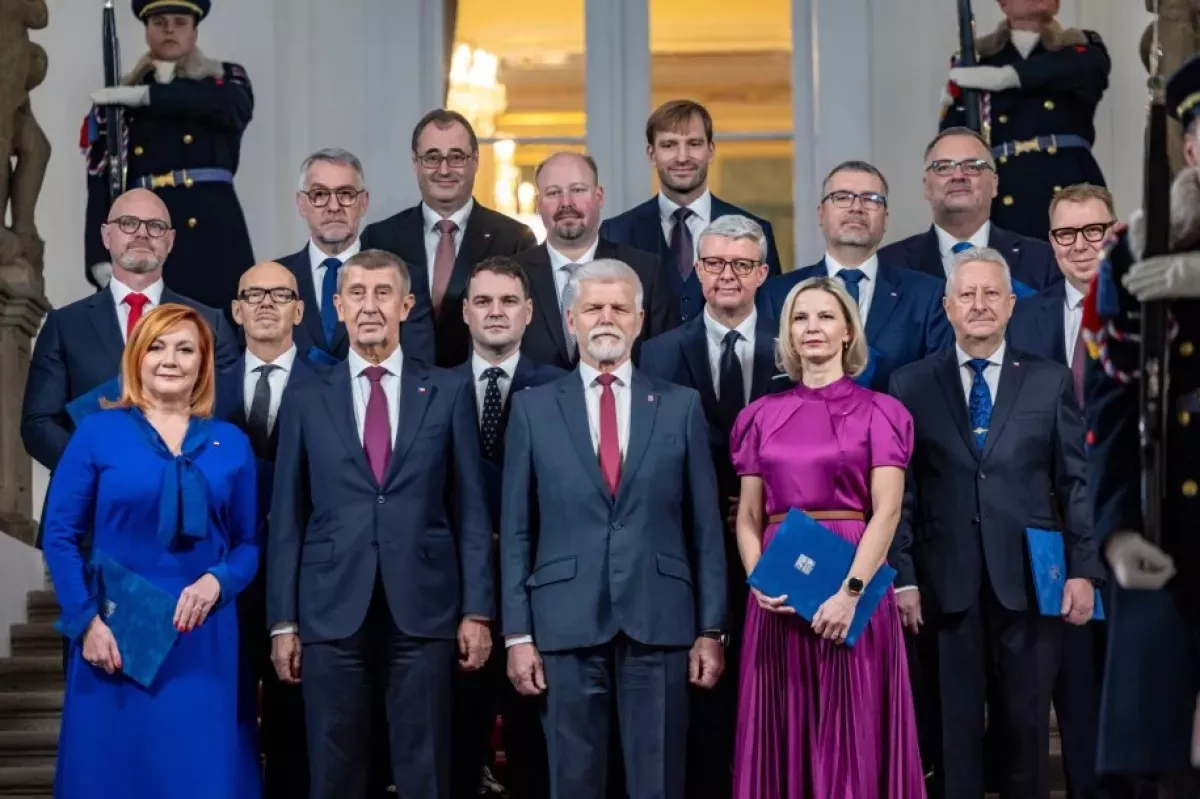
Recently, following Budapest’s example, the newly formed Czech government rejected the European Union’s migration pact at a government session.
According to Czech media, citing Prime Minister Andrej Babiš, the draft programme statement of the Cabinet, which will be submitted for approval to the Chamber of Deputies (the lower house of the Czech Parliament), explicitly states the government’s refusal of the Migration Pact. The resolution rejects quotas for the distribution of refugees among EU countries and calls for a complete refusal to accept illegal migrants.
“Czechia insists on strengthening the EU’s external borders, combating human traffickers, and addressing illegal migration issues outside the Union,” the document emphasises.
In addition, Prague has adopted several other high-profile measures demonstrating a sceptical stance toward Brussels’ initiatives. Specifically, it rejected the ETS 2 carbon trading system for transport and buildings. The Cabinet also supported an initiative to freeze salaries of civil servants and politicians until 2030.

This “mutiny on the ship” appears to be driven by Brussels’ excessively politicised approach, applied a priori to all issues, including migration policy. As Hungary’s Minister of Foreign Affairs and Trade, Péter Szijjártó, noted as early as January last year, “Brussels cannot solve the problem at the European level with its current political approach, because one of the main drivers of illegal migration to Europe is the European Union’s own policies.”
These words from a high-ranking Hungarian diplomat confirm that the failure of EU structures on migration stems from the lack of a unified and effective system for distributing refugees and the inability to control external borders. This failure pushed them to develop the notorious pact, which is essentially aimed at shifting the responsibility for failed migration policies from the major EU powers onto Eastern European countries, turning them into “scapegoats.”
By rejecting this strategic EU plan, Budapest and Prague have effectively rebelled against the European “value system.” It is possible that in the near future, other countries may follow their example, potentially leading to the collapse of the ship called the “European Union.”







 editor@caliber.az
 +994 55 444-88-98
 Азербайджан, Баку, ул. Низами, 203, Af Business House, 5-й этаж