










Eurointegration amid chaos: the Bulgarian paradox No budget, no government
The current prime minister and his cabinet have been in office for less than a year. Yet the country is already experiencing significant political turbulence. What is causing political instability in Bulgaria?
Street unrest
On December 1, mass protests erupted in Sofia and other Bulgarian cities, peaking by the end of last week. Demonstrators’ main demands were the resignation of Prime Minister Rosen Zhelyazkov’s government and the adoption of the 2026 budget.
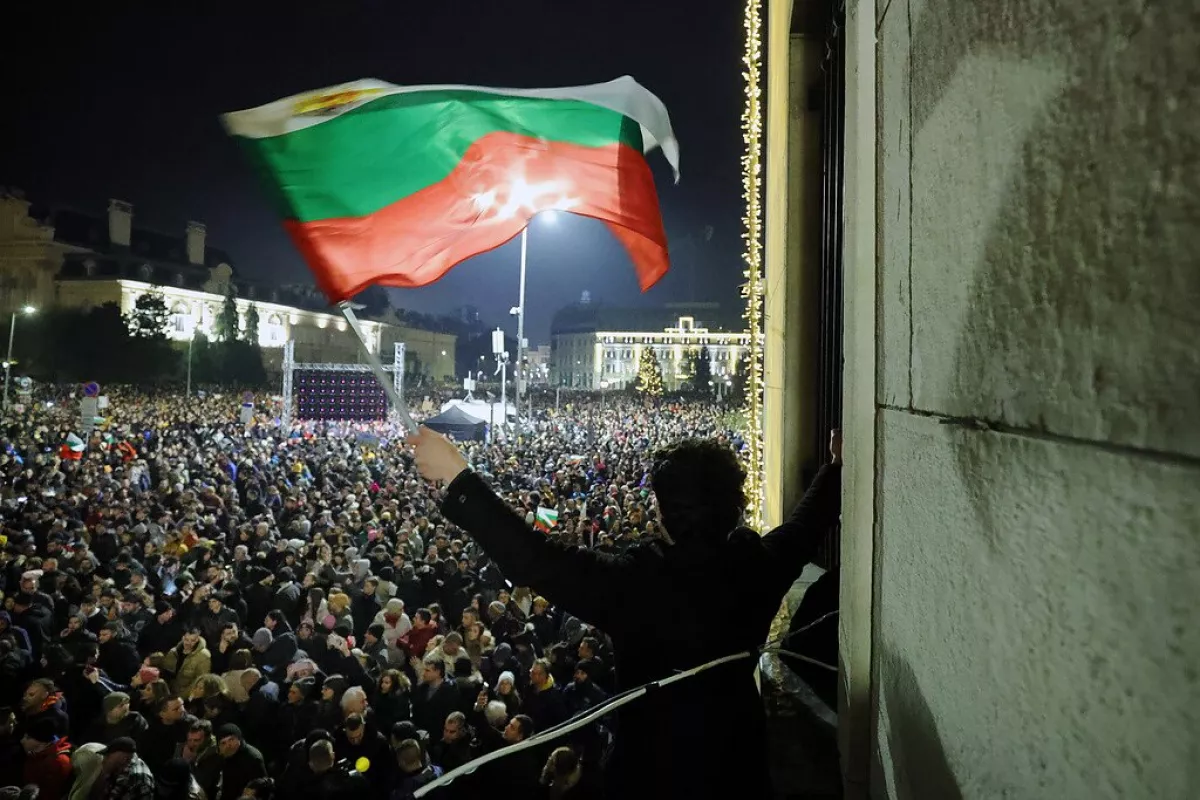
Protesters called for a “fair distribution of state funds” and an end to corruption. At the same time, participants had widely differing views on what a “fair budget” actually meant, as well as diverse political affiliations. Among those on the streets were both supporters of Bulgaria’s swift entry into the eurozone and its opponents, staunch pro-Europeans, and pro-Russian sympathisers.
However, the overall agenda of the protests was largely shaped by liberal forces. The demonstrations were effectively organised by the largest opposition party, “We Continue the Change – Democratic Bulgaria” (PP–DB), and likely involved various NGOs. Student organisations also joined the protests.
On the evening of December 10, the entire centre of the Bulgarian capital, known as the “Triangle of Power” due to the concentration of government institutions, was filled with demonstrators. Protesters chanted slogans against the leaders of the “Movement for Rights and Freedoms – New Beginning” (often known as DPS–Peevski) party, particularly Delyan Peevski, as well as against the GERB party and its leader Boyko Borisov. Peevski is widely regarded as an oligarch who unofficially controls a significant portion of the country’s power.
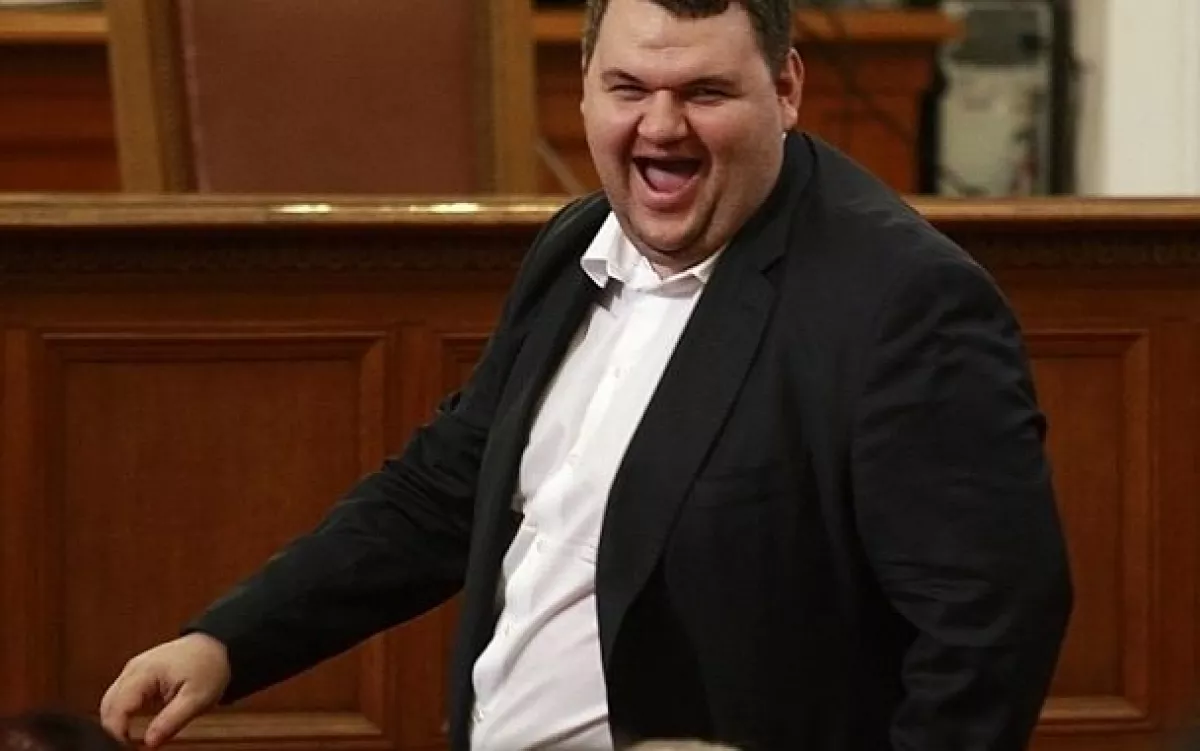
Demonstrators carried signs reading “End the Mafia Rule in Bulgaria,” “No to Corruption,” and similar slogans, jumping and shouting, “Who doesn’t jump is fat!”—a jab at Peevski’s large stature.
Traffic in central Sofia was blocked, and reinforced police cordons equipped with special gear and shields were deployed. Nevertheless, the demonstration ended peacefully, with a collective performance of the Bulgarian national anthem. Leaders of PP–DB also sang the anthem from the stage.
Protests also took place in other cities across the country—Plovdiv, Burgas, Varna, Veliko Tarnovo, Blagoevgrad, Stara Zagora, Dobrich, Smolyan, and several other towns. The opposition claims that more than 100,000 people took to the streets in Sofia alone that day. In the regions, organisers also managed to gather significant numbers of participants—for example, up to 10,000 people protested in Plovdiv.
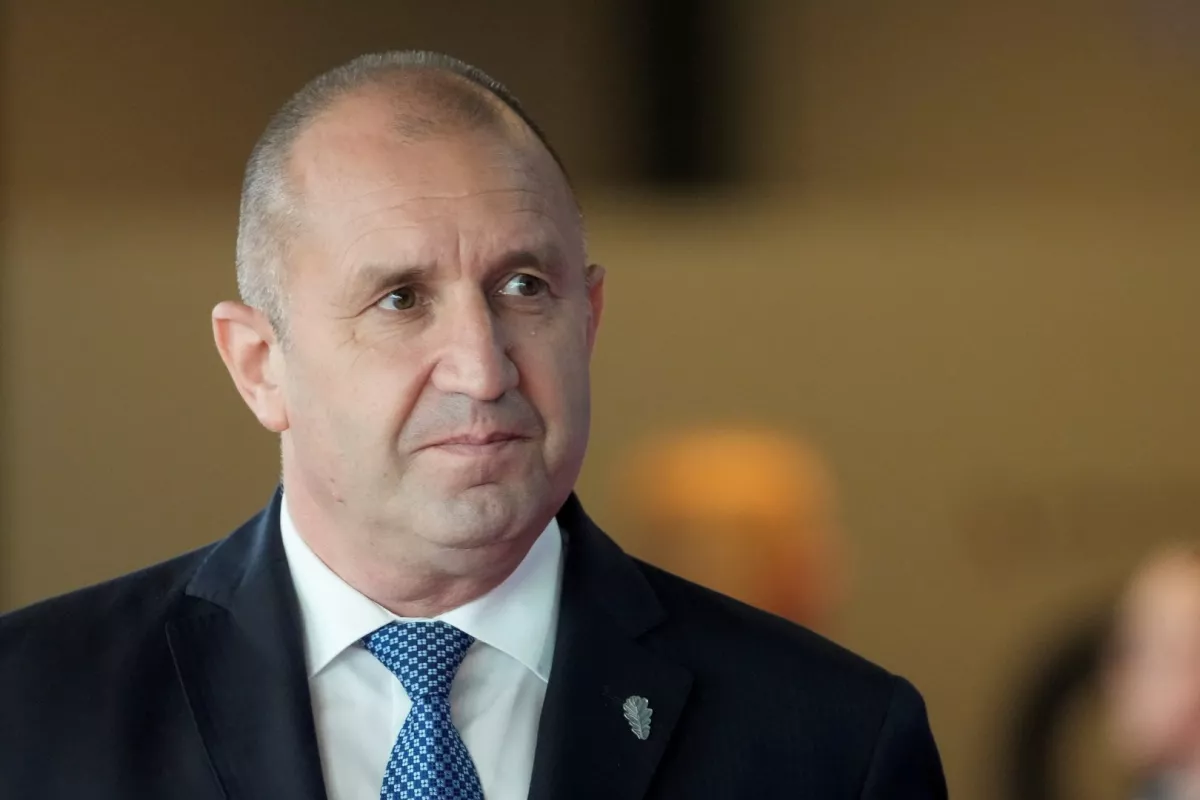
These appear to have been the largest protests in Bulgaria since 1989. Notably, the country’s president, Rumen Radev, effectively expressed support for citizens’ demonstrations against oligarchic influence.
Overall, the protests remained peaceful, although 33 people were detained in Sofia. Some of those detained were found with knives, brass knuckles, fireworks, drugs, and large amounts of cash.
Additionally, law enforcement blocked an aggressively inclined group of 50–60 people near Vrabcha Street. In Burgas, police detained nine individuals for using Nazi symbols, possessing pyrotechnics, and disturbing public order.
The question of a vote of no confidence in Rosen Zhelyazkov’s government had been raised for the seventh time during his 11 months in power. The cabinet relied on an extremely fragile coalition of diverse political forces: the conservative GERB party, the Bulgarian Socialist Party (BSP) — part of the “United Left” bloc, which also includes the Bulgarian Communist Party — and the right-wing populist “There Is Such a People” (ITN) party.
Peculiarities of the Bulgarian political climate
On December 11, Prime Minister Rosen Zhelyazkov submitted his resignation, which the National Assembly of Bulgaria approved almost unanimously. The leader of the far-right opposition party “Revival,” Kostadin Kostadinov, declared: “Congratulations to all free Bulgarians. Congratulations that we managed to consign this government of thugs, oligarchs, and corruption to history.”
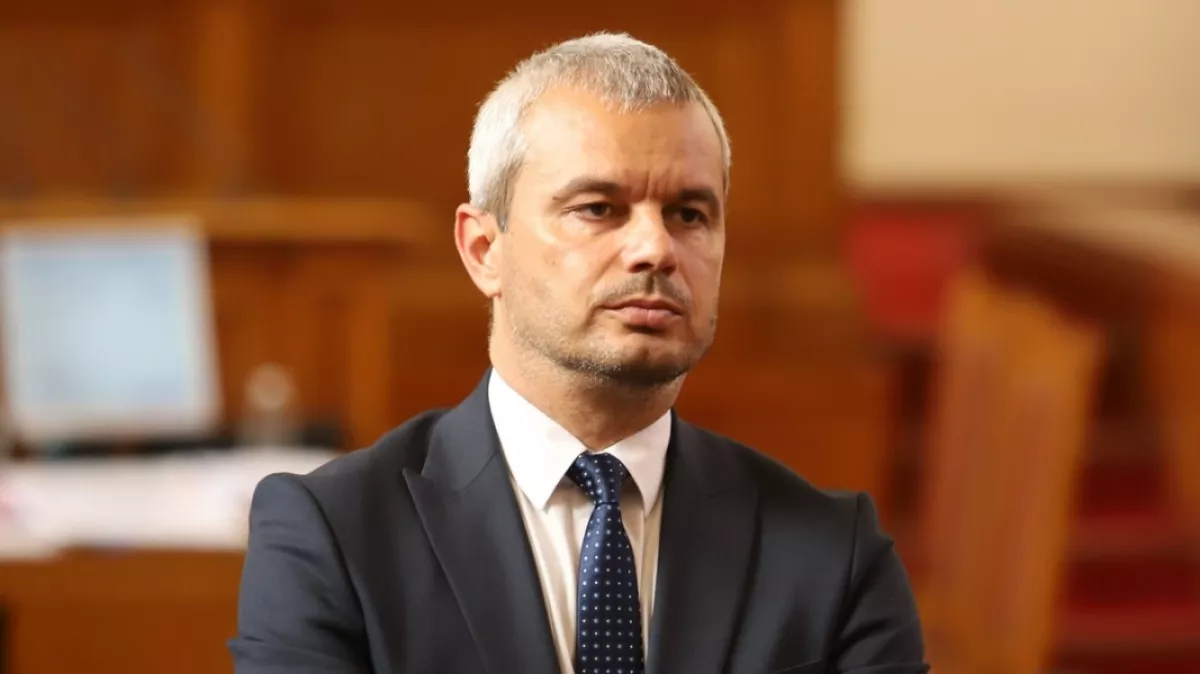
Immediately, debates arose over who would now take responsibility for the country’s situation, entering the new year without an approved budget. In practice, the ruling GERB party immediately placed the blame on the opposition, accusing it of plunging the country into political chaos. At the same time, PP–DB continued, and likely will continue, to hold the previous government responsible.
According to ITN party deputy Toshko Yordanov, the opposition is directly involved in the current situation: “You helped draft the budget together with them. You amended the Constitution together with them, and those amendments bear the signatures of Delyan Peevski and your leaders. It’s very funny to hear you claim to know his office well, since you visited it often. So now, because of you, there is no budget.”
Meanwhile, until a new cabinet is approved, the previous government will continue to perform its duties in a caretaker capacity.
In search of the sources of instability
The political climate in Bulgaria remains extremely unstable: since 2021, seven governments have already fallen. At the same time, there are no fundamental disagreements on key issues between the leading ruling party GERB and its main opponents from PP–DB. Both forces support European integration and adhere to a neoliberal economic model. Rosen Zhelyazkov’s cabinet was formed primarily with the aim of ensuring Bulgaria’s accession to the eurozone. Until recently, the PP–DB opposition had pledged not to initiate a vote of no confidence in the government. However, it appears that the escalation of global tensions, along with Bulgaria’s difficult economic and social situation, has intensified the confrontation between the conservative coalition and the liberal opposition.
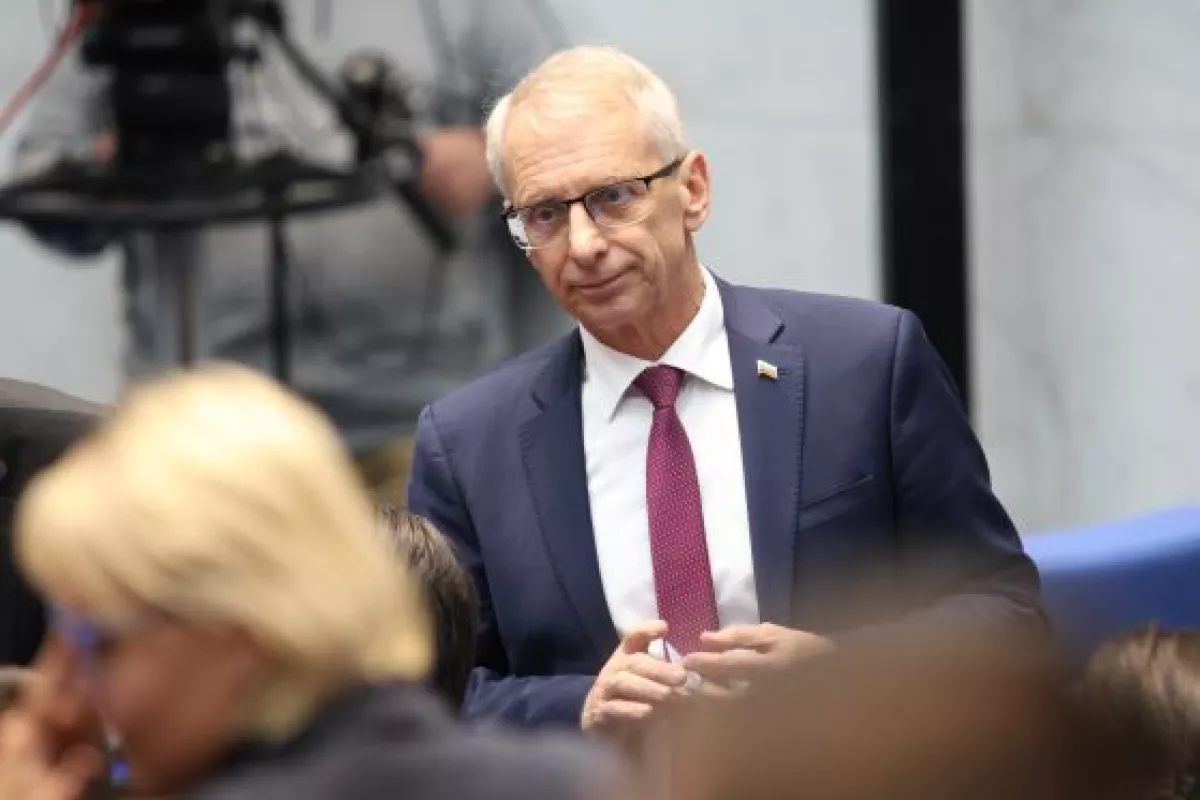
According to opposition PP–DB politician Nikolay Denkov, all political instability in Bulgaria stems exclusively from oligarch Delyan Peevski and GERB leader Boyko Borisov.
The opposing side holds a different view. Former Prime Minister Rosen Zhelyazkov rejected the negative assessment of his cabinet’s performance: “We promised macroeconomic stability — and we achieved it, with unprecedented revenue growth. We will meet the 2025 budget framework. We have proposed a social-protection budget for 2026 aimed at increasing purchasing power […] our opponents simply chose not to understand it.”
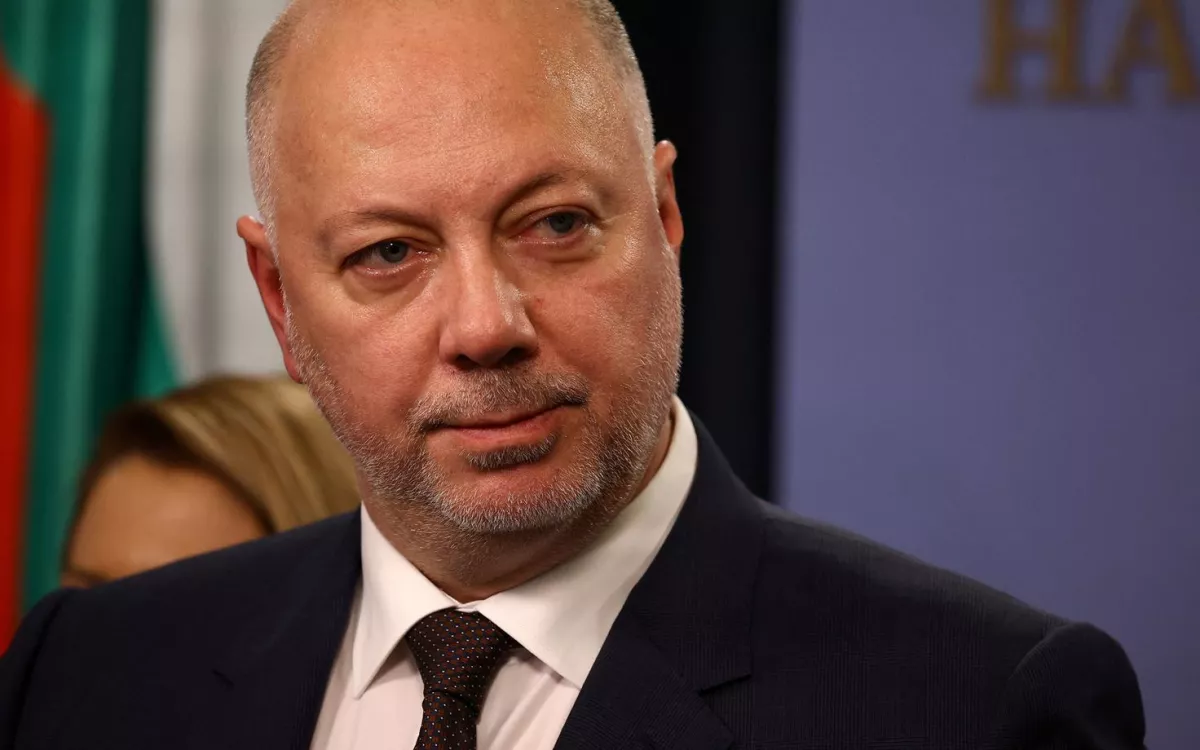
According to Zhelyazkov, what was happening in the streets was not so much a social protest as demonstrations “for values”—against vanity and arrogance. At the same time, the former prime minister pointed out that he humbly accepts the position of civil society.
In turn, the leader of the “DPS – New Beginning” party, Delyan Peevski—whom many describe as an all-powerful oligarch—redirected the accusations toward his opponents: "We said ‘no’ to oligarchy and tax breaks for the wealthy. It was necessary to introduce a dividend tax and a gambling tax to ensure there were sufficient resources for all segments of the population. We believe that Bulgaria should be a social state and support its people. Therefore, at the moment, all responsibility lies with the ‘Soros coalition’—PP–DB. The winner will be someone else, and they need to step in today."
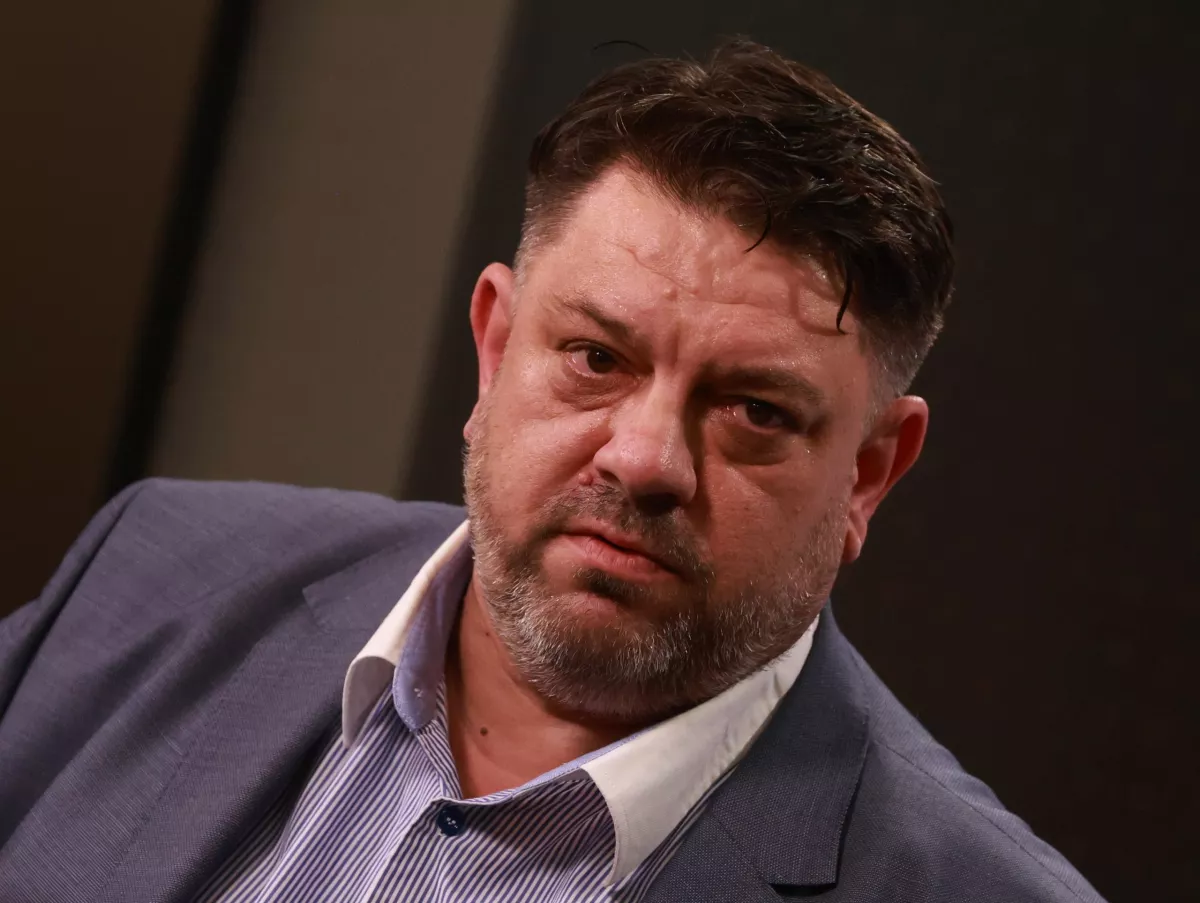
At the same time, Deputy Prime Minister Atanas Zafirov from the BSP—the “United Left” bloc—in Zhelyazkov’s government emphasized that the socialists had pushed for increases in the minimum wage and social benefits, insisted on restoring order in the so-called “houses of horrors”—nursing homes, increased funding for sports and youth policy, halted the sale of equipment from the Belene Nuclear Power Plant to Ukraine, and resolved water supply problems in Pleven and a number of municipalities.
In other words, Rosen Zhelyazkov’s government proposed a budget that provided for increased contributions to the social insurance system and a higher dividend tax to finance growing public spending. Overall, this aligned with the interests of broad segments of the population, but predictably met resistance from the “ultra-pro-European” liberal opposition.
Into the Eurozone without budget
On the eve of the New Year, Bulgaria remains without an approved budget. There is virtually no hope that, under the current balance of forces in the National Assembly, it will be adopted in the near future. A formal way out could be the automatic extension of the previous budget for one month, but this does not guarantee financial stability.
On the other hand, for Sofia, entering the new year without a budget is not an unprecedented situation. This has already happened six times, including during the turbulent 1990s. Moreover, Bulgarians began 2022, 2023, and the current year of 2025 without an approved budget.
However, as early as December 12, the day after the government’s resignation, the Confederation of Independent Trade Unions of Bulgaria (CITUB) and the Confederation of Labour “Podkrepa” held a protest in front of the parliament building. The key question they put to the authorities was very specific: what will happen to people’s wages? If the budget is not adopted, the previously agreed wage increases may be rendered invalid.
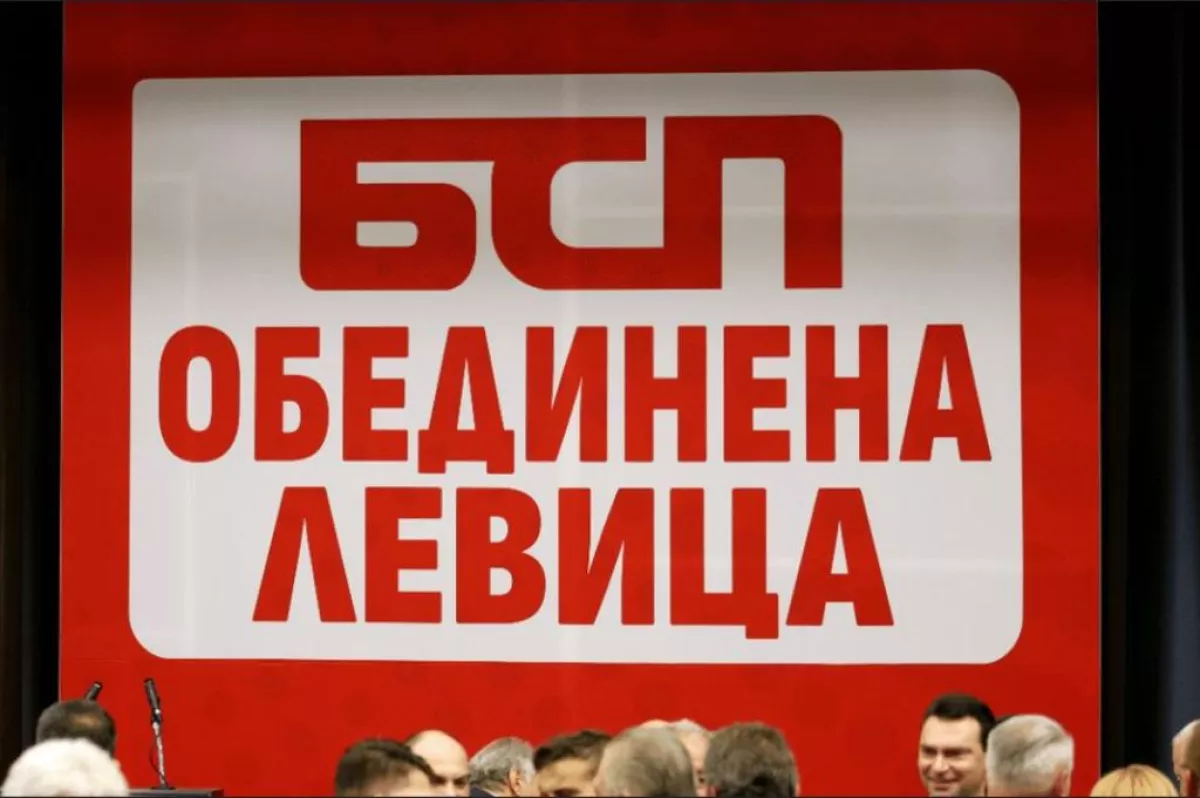
Earlier this summer, Bulgaria had already witnessed mass social protests by workers, a fact that trade union leaders are now persistently recalling. The trade union demands were also supported by the Bulgarian Socialist Party (BSP)—the “United Left” bloc—which stated that the absence of a budget primarily hurts ordinary citizens.
The situation is further aggravated by the fact that, starting on January 1, 2026, Bulgaria is supposed to switch to transactions in euros. This step in itself may have mixed consequences, above all for the living standards of ordinary Bulgarians, including the risk of accelerating inflation. It is therefore no coincidence that among the demands voiced by protesters representing a wide range of political forces were calls for a referendum on the introduction of the euro and the protection of the Bulgarian lev. President Rumen Radev has also spoken in favour of holding such a referendum.
At the same time, concerns are being expressed that prolonged government crises could complicate Bulgaria’s very process of accession to the eurozone.
On December 12, the “Revival” party even submitted a proposal to parliament to postpone the country’s entry into the eurozone by one year, citing the absence of a permanent government and an approved budget. However, this scenario appears unlikely, as Brussels has a strong interest in the “euroisation” of the Bulgarian economy.
How might the situation in Bulgaria develop further? If the GERB party, which holds the largest faction in parliament, fails to form a government, Rumen Radev will assign this task to the second-largest force, the PP–DB party. However, judging by the current political configuration, the liberals’ chances of success are also minimal. PP–DB has already stated that it does not intend to enter into new governing coalitions and has publicly acknowledged the mistaken nature of its previous cooperation with the Peevski–Borisov tandem.
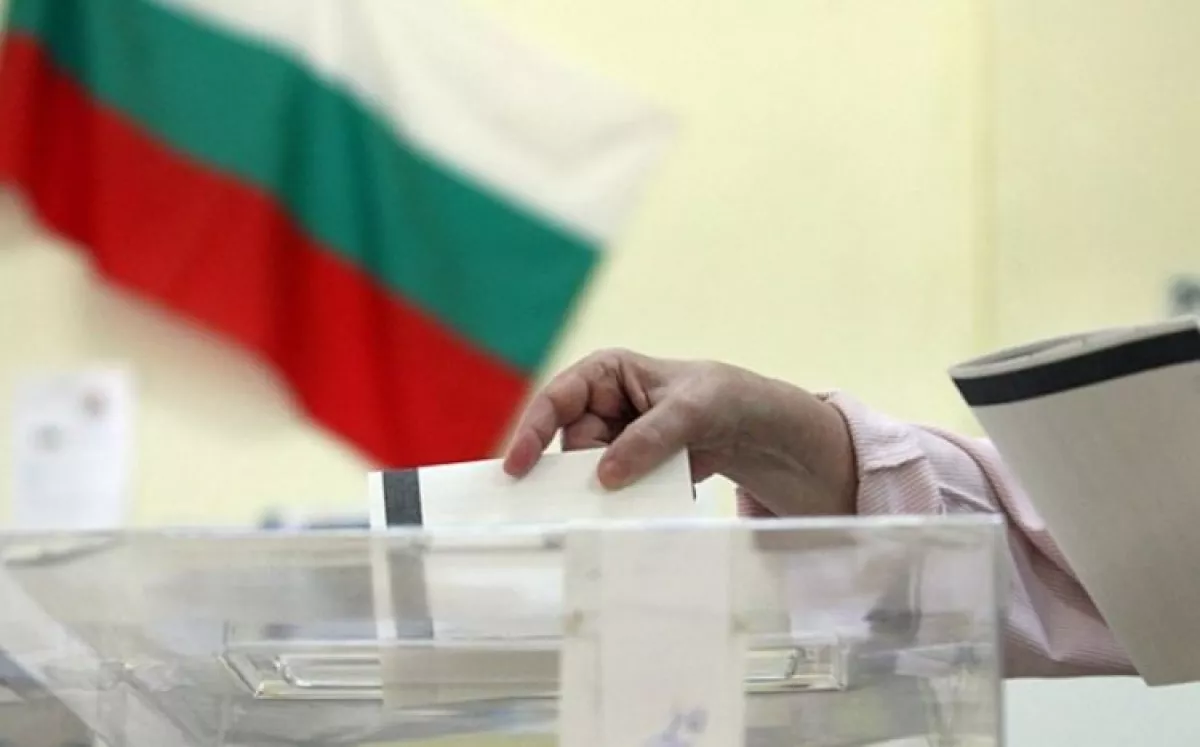
Against this backdrop, the most likely scenario appears to be another round of snap parliamentary elections, which could take place as early as spring. According to opinion polls, more than half of Bulgarians support the idea of holding early elections.
Current sociological surveys show that GERB enjoys the strongest electoral support, at around 17 per cent. PP–DB ranks second, followed by the ultranationalist “Revival” party in third place. At the same time, taken together with DPS and the socialists, the socially conservative camp led by GERB could count on more than 30 per cent of the seats in the National Assembly.
However, even such a result does not resolve the core problem: once again, a government would have to be formed on the basis of a broad coalition, the configuration of which remains fraught with uncertainties. In other words, political instability in Bulgaria is likely to persist in the foreseeable future.







 editor@caliber.az
 +994 55 444-88-98
 Азербайджан, Баку, ул. Низами, 203, Af Business House, 5-й этаж