










From Davos to Munich Europe’s role under the Trump 2.0 shadow
Until 2025, the annually held World Economic Forum (WEF) in Davos (January) and the Munich Security Conference (February) were widely regarded around the world as key geopolitical platforms that set the direction of global development for the remainder of each calendar year. The difference between them was mainly in focus: the first summit shaped the global economic agenda, while the second dealt with broader political issues. At the same time, Brussels traditionally played a significant role in shaping the key trends of the modern era.
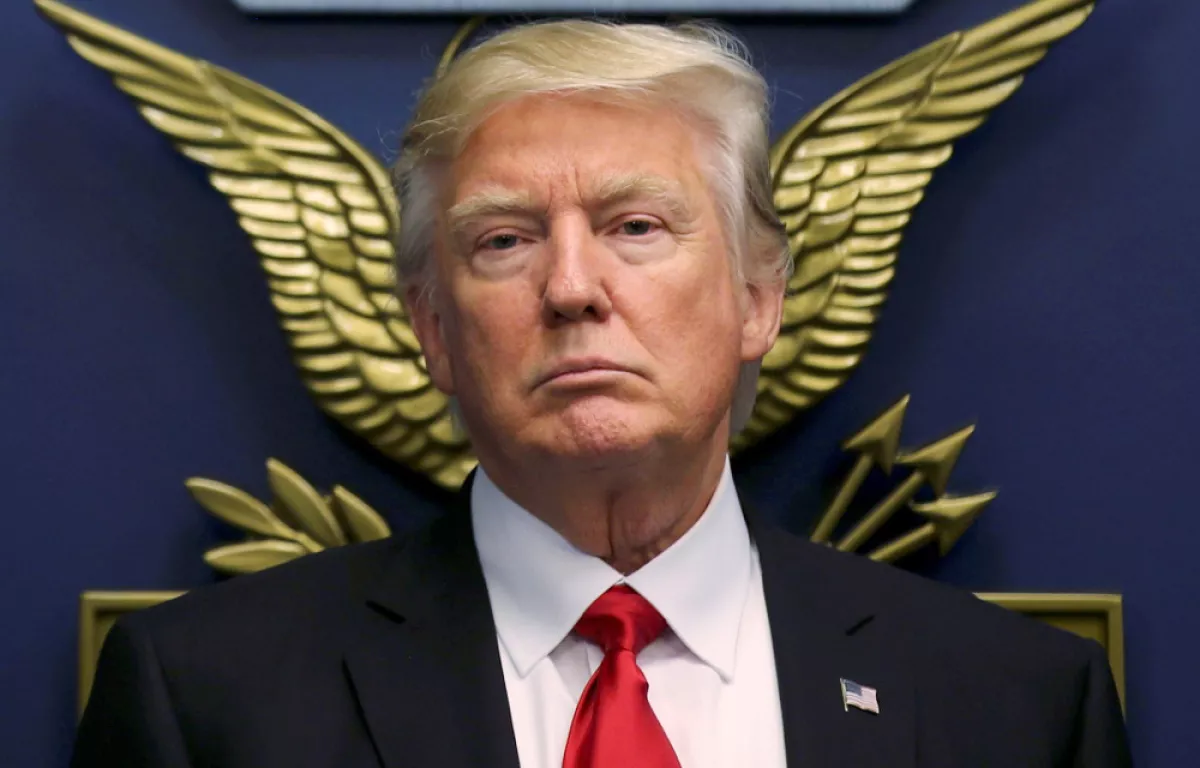
However, starting last year, the situation underwent radical changes, directly linked to Donald Trump’s return to the Oval Office, having already loudly and unequivocally outlined the American priorities for the entire duration of his second presidency. Within this framework, the European continent—apart from rare exceptions—was effectively relegated to the role of a geopolitical bystander.
Of course, if European political leaders had accepted secondary roles, Trump would likely have softened his stance toward Brussels. However, the openly anti-Trump sentiment among the top EU officials, as well as in the United Kingdom—a sentiment that became evident during the U.S. election campaign—ruled out such scenarios.
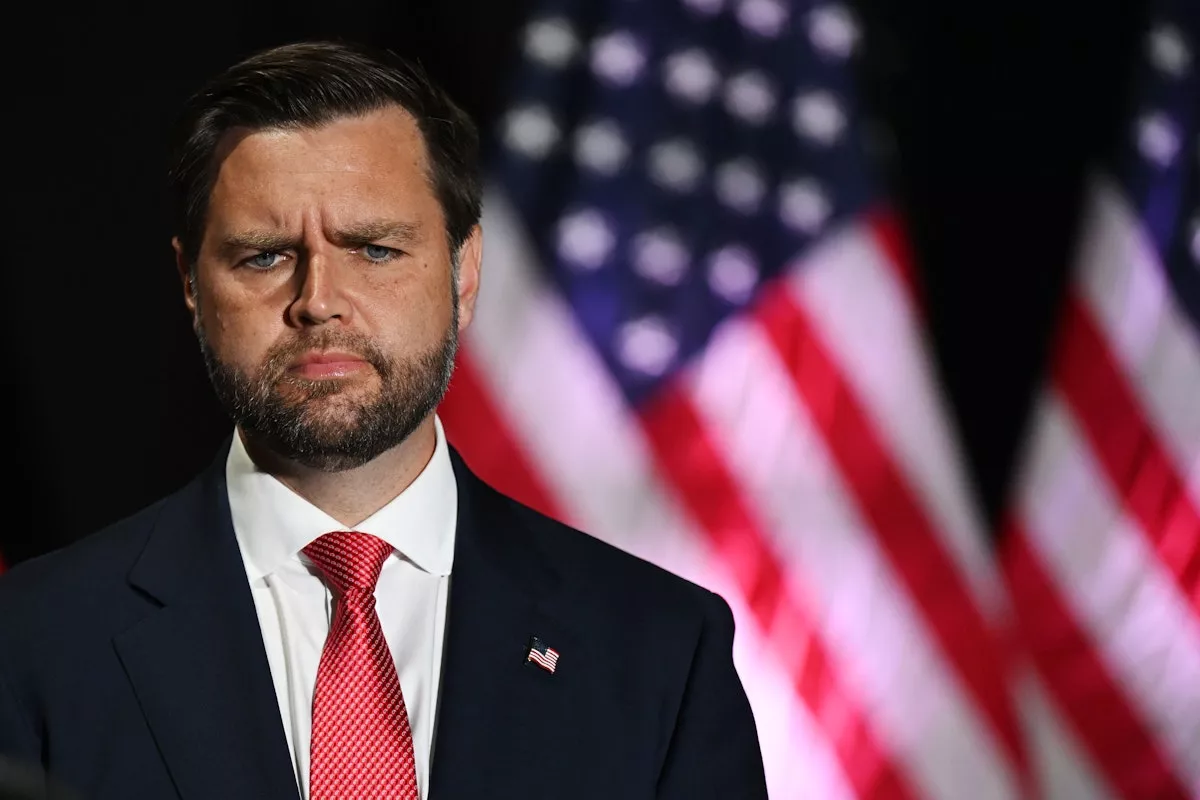
As a result, this initially led to the geopolitical impotence of Davos 2025 and later to a historic scandal in Munich, where U.S. Vice President J.D. Vance, in his speech, literally “nailed” European leaders to the “pillory of shame,” as several analysts put it.
Without delving into the well-known details of the Munich 2025 discourse, it is worth noting that, like last year’s Davos, the controversial Munich conference did not become a platform that could determine the course of world history—even through the end of the calendar year—from the perspective of generating joint decisions between Europe and the U.S. The exact opposite occurred: to this day, the global agenda is shaped by confrontation within the Euro-Atlantic community, a trend that was clearly visible at Davos 2026.
Although the Swiss summit was held under the motto “A Spirit of Dialogue,” in practice the world heard a monologue from Trump, who arrived in Davos leading a large American political and economic delegation. This monologue primarily manifested in his presentation of the “Board of Peace,” which has become more than a political declaration and is already being viewed by some political circles as a potential gradual successor to the United Nations.
Meanwhile, in less than two weeks, the next Munich Security Conference will take the geopolitical stage. Predictions about what Munich 2026 will bring are already plentiful. While last year Germany set the summit’s theme around multipolarity, it is unlikely that this year’s conference will follow the same path.
The recently released U.S. national security and defence strategies prioritise exclusively American interests. Although China is mentioned in the latest strategy without overtly hostile rhetoric, a clearly paternalistic tone is evident toward Europe, prescribing a model of behaviour for the continent—primarily within Europe itself, with little regard for its global interests.
It is unlikely that such an approach will allow Washington to seriously consider, at Munich, an agenda even partially aligned with the logic of multipolarity, regardless of who represents American interests in Germany.
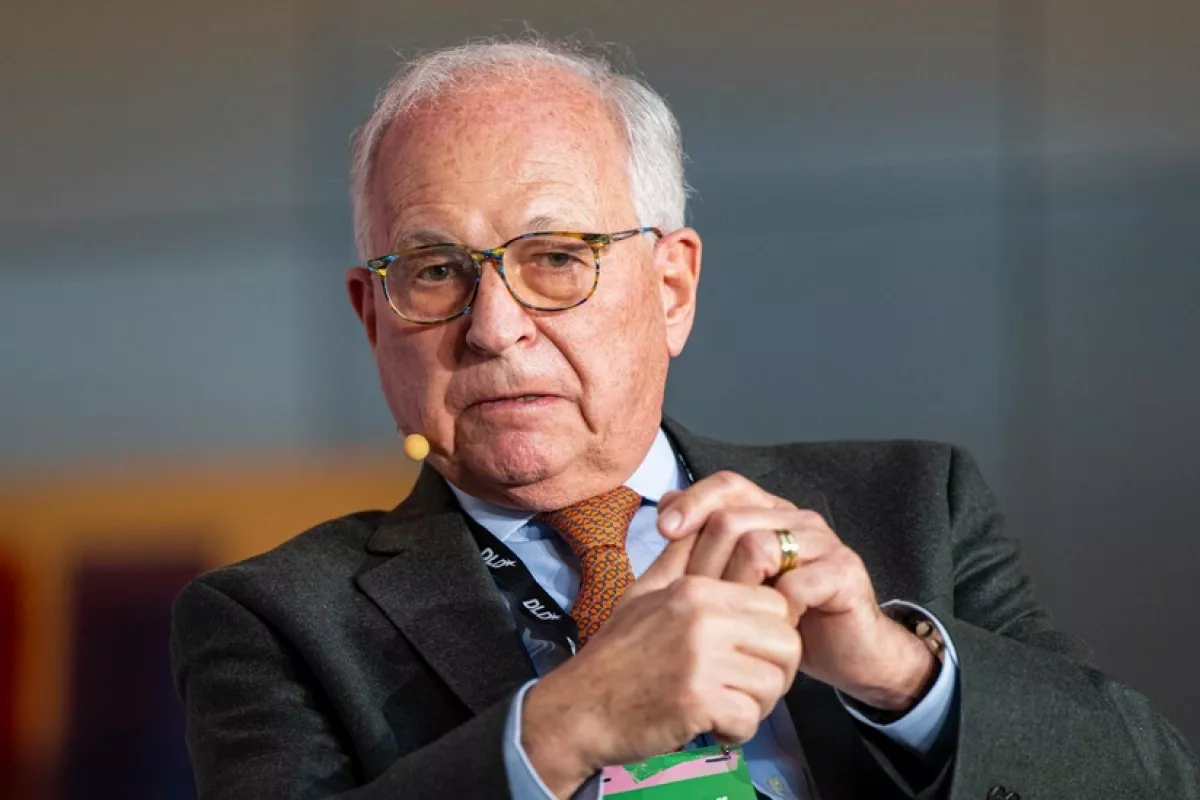
At the same time, an attempt to preemptively soften a potential “ideological clash” within the transatlantic community was made by acting chairman of the Munich Conference, Wolfgang Ischinger, who highlighted the issue of increasing Europe’s role in NATO’s nuclear deterrence system.
According to Ischinger, if the United Kingdom and France could provide a slightly greater contribution than before to the nuclear umbrella of the North Atlantic Alliance—which continues to function primarily thanks to Washington—this would send a direct signal not only to China and Russia, but also to the United States itself, supporting what is referred to as “European self-assertion.” It is possible that Ischinger deliberately framed his position in line with the U.S. national defence strategy, which openly calls on Europe to take greater responsibility for its own security.
As for Germany, the head of the Munich Conference assigns Berlin the role of a “bridge-builder” between Europe and the United States.
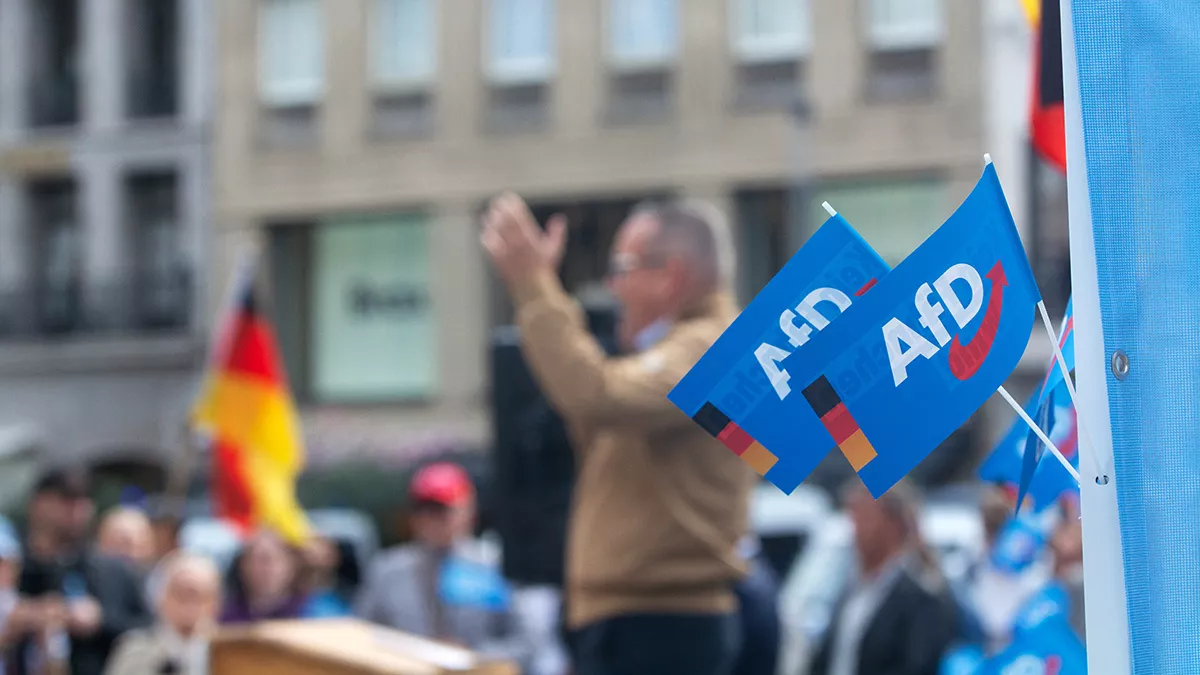
Another delicate issue is that, for the first time in the past two years, the right-wing party Alternative for Germany (AfD) has been invited to the conference. As Ischinger explained, in response to sharp criticism of this decision, the Munich platform has always been considered a space for dialogue. One of the summit’s key traditional objectives, he noted, is to ensure “the widest possible range of opinions, including the open expression of opposing positions.”
At the same time, some analysts interpret Ischinger’s move as yet another attempt by European politicians to appease Washington ahead of Munich 2026, given that J.D. Vance last year strongly criticised European leaders for ignoring right-wing parties.
With just over ten days remaining until the conference opens, there is no doubt that reports about the emerging agenda—albeit unofficial—will increase as the date approaches. However, according to most experts, unless something extraordinary occurs before the “Munich doors” open, it is unlikely that the German city will witness a geopolitical upheaval comparable to last year’s.
We can only wait and see how events unfold—especially since, as they say, there is still plenty of time before the conference begins.







 editor@caliber.az
 +994 55 444-88-98
 Азербайджан, Баку, ул. Низами, 203, Af Business House, 5-й этаж