










Geopolitics of minerals: Washington is betting on Kazakhstan American and Kazakh experts speak to Caliber.Az
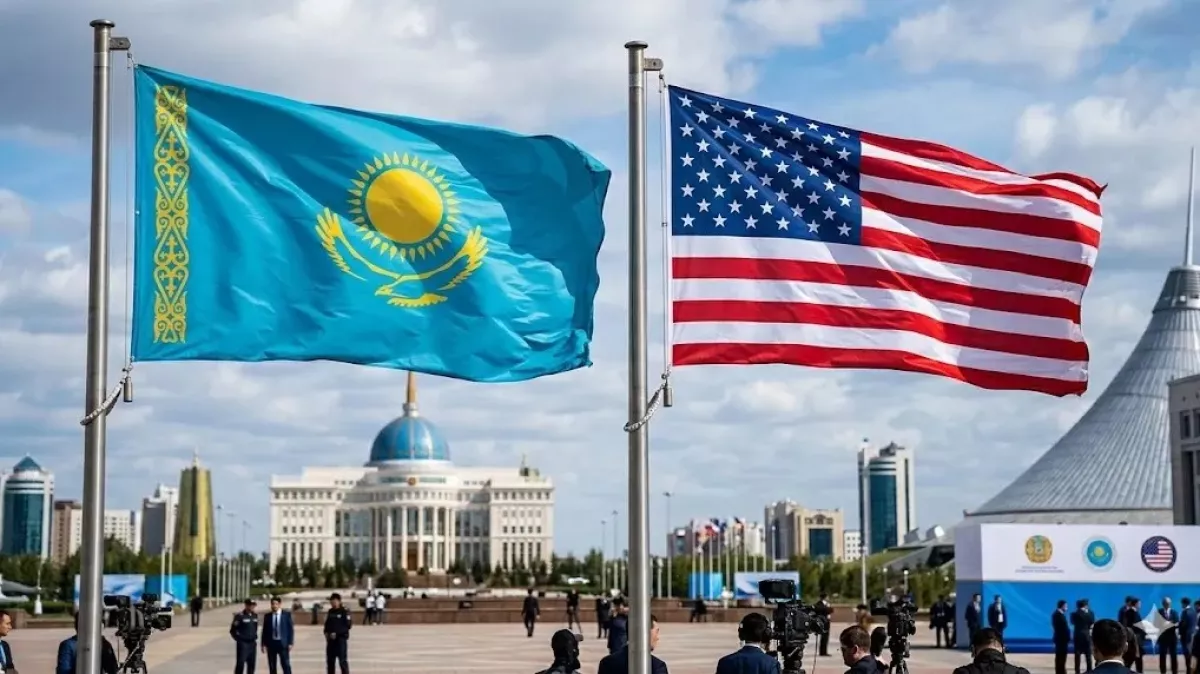
The United States is actively accelerating the extraction of rare minerals in Central Asia, as recent developments indicate. In particular, on June 11, representatives of the U.S. State Department, the National Security Council, the U.S. International Development Finance Corporation, the Department of Commerce, as well as more than 20 American companies arrived in Astana to participate in the Astana Mining & Metallurgy congress.
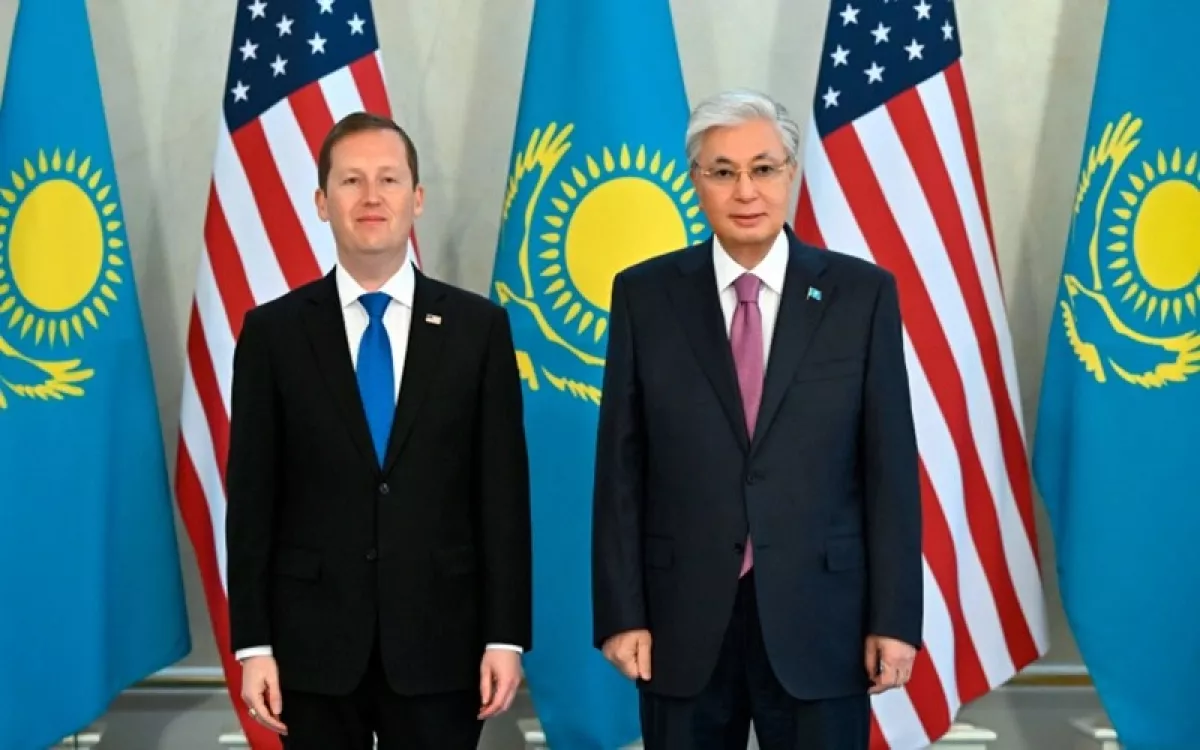
According to Kazakh media, Sergio Gor, the U.S. Special Envoy for South and Central Asia who headed the American delegation, was received by President Kassym-Jomart Tokayev. During the meeting, the sides discussed practical aspects of implementing joint trade, economic, and investment projects, as well as prospects for cooperation in priority areas, including critical minerals.
In addition, Sergio Gor took part in the C5+1 multilateral dialogue on critical minerals, aimed at deepening U.S. cooperation with all five Central Asian countries in securing strategic raw materials in a sustainable manner.
As the geography of the events suggests, Washington sees Kazakhstan as its key partner in the field of rare earth minerals, given that the country possesses the largest and most diversified mineral resource base in the region — with more than 9,500 identified deposits, over a hundred of which contain rare earth and other strategic minerals. Importantly, initial steps in this direction have already been taken: the Kazakh national company Tau-Ken Samruk, part of the Samruk-Kazyna fund, signed an agreement to sell a 70% stake in the “Northern Katpar” deposit in the Karaganda region to the American investment company Cove Kaz Capital Group.
How are these strategic objectives assessed in the United States and Kazakhstan themselves? Experts from both countries shared their views with Caliber.Az.

American journalist and political analyst Andrei Becker believes that the visit of the U.S. delegation to Astana, led by the President’s Special Envoy, as well as discussions with Central Asian representatives on the extraction and supply of critical minerals, represent an extremely important move by the Trump administration.
“The Central Asian strategy of the United States is a very important element in building American political and economic dominance in Asia, and more broadly, in the global competition with China, which now spans virtually all continents. In this context, Central Asia holds particular significance for Washington, which can be assessed across several dimensions.
First of all, there is the geopolitical and logistical aspect: the region borders China and is connected to it through both transport and energy corridors. As a result, almost any form of cooperation with these neighbouring countries acquires strategic importance, since the presence of American companies in key sectors of their economies creates competitive risks for Beijing, which is also striving for dominance in these markets.
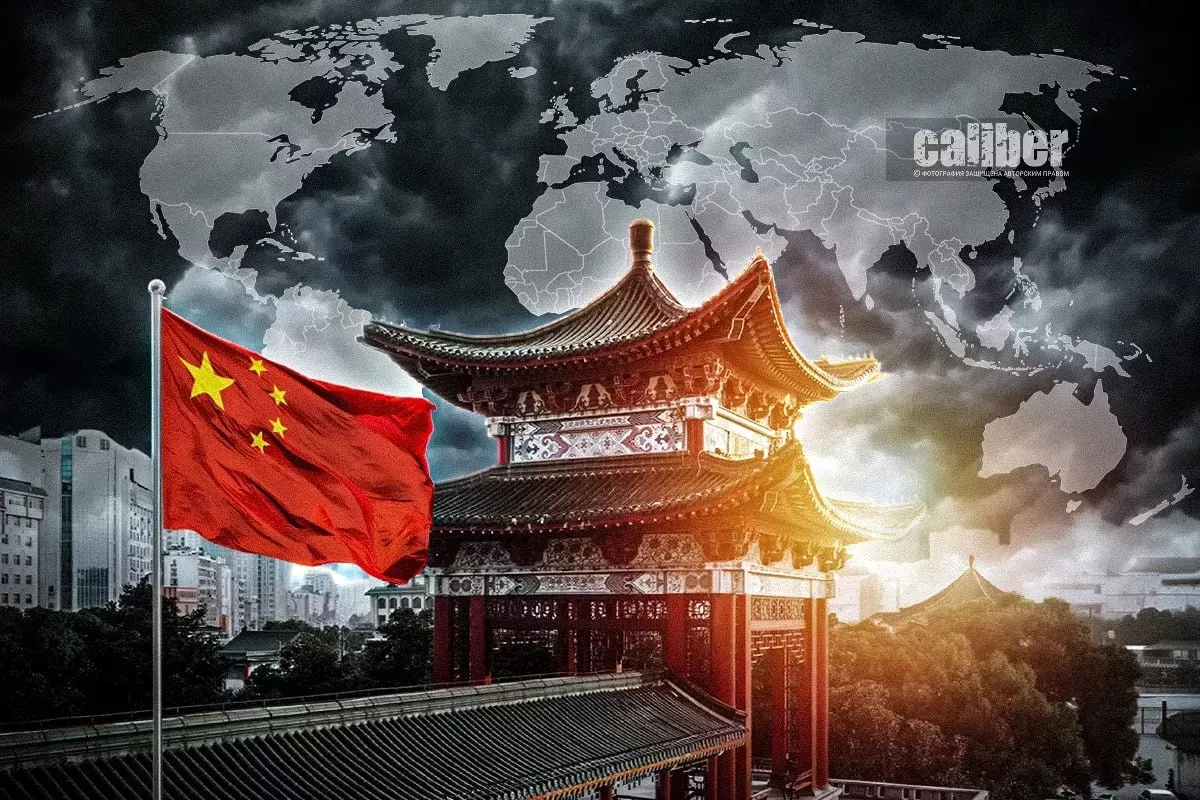
The second factor is directly related to resource extraction, and in this regard cooperation with the United States in the field of critical minerals, to a certain extent, helps to counterbalance Chinese expansion in the region and Beijing’s enormous demand for resource supply.
For example, at one point China purchased nearly 80% of Turkmenistan’s gas for its own needs, thereby consolidating its dominance in this sphere. As a result, when Central Asian states consider the commercial development of their subsoil resources, they primarily view China — rather than the United States or the EU — as their main foreign partner, as it is perceived as more stable and predictable.
In this context, the overarching objective of the U.S. president is to reverse this trend and establish maximum dominance of American economic influence in the region. It is worth noting that the United States has already made tangible progress in this direction: the Trump Route for International Peace and Prosperity (TRIPP) project is an integral part of Washington’s strategy for transporting minerals from Central Asia. Azerbaijan, in turn, is a significant element of this framework,” Becker stated.
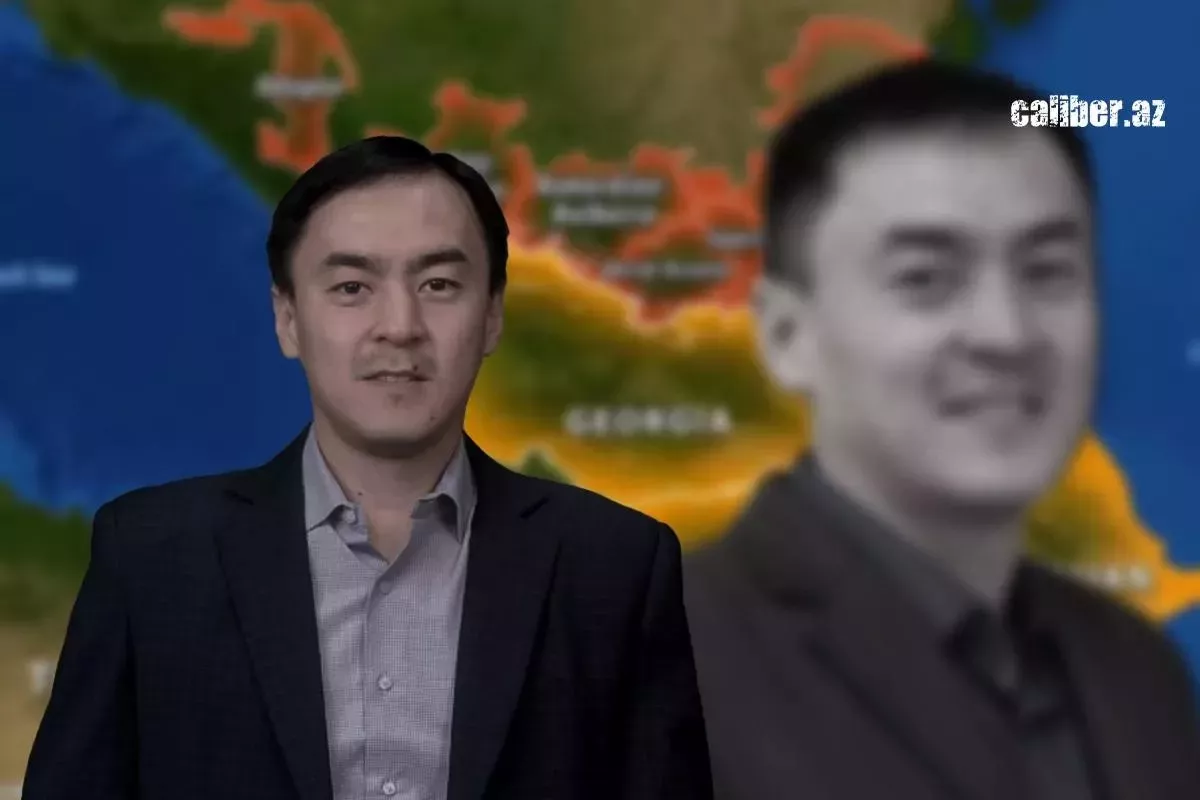
Meanwhile, Candidate of Political Sciences, economist and political analyst Sharip Ishmukhamedov believes that the main objective pursued by the United States is to achieve maximum results in the extraction of critical minerals globally and, if possible, to outcompete China — although, in his view, the latter goal is unlikely to be achieved.
“The PRC already dominates the global rare earth minerals market, controlling around 70% of global production and 90% of processing. In this regard, both the United States and the European Union, as well as technological giants such as Japan and South Korea, have, in my opinion, already lost to China by default. Therefore, it can be argued that the United States is currently trying to catch a departing train and secure those volumes, resources, and deposits that are still available on the open market.
If we talk about such territories, then in fact the only major region where these opportunities still exist is Central Asia.
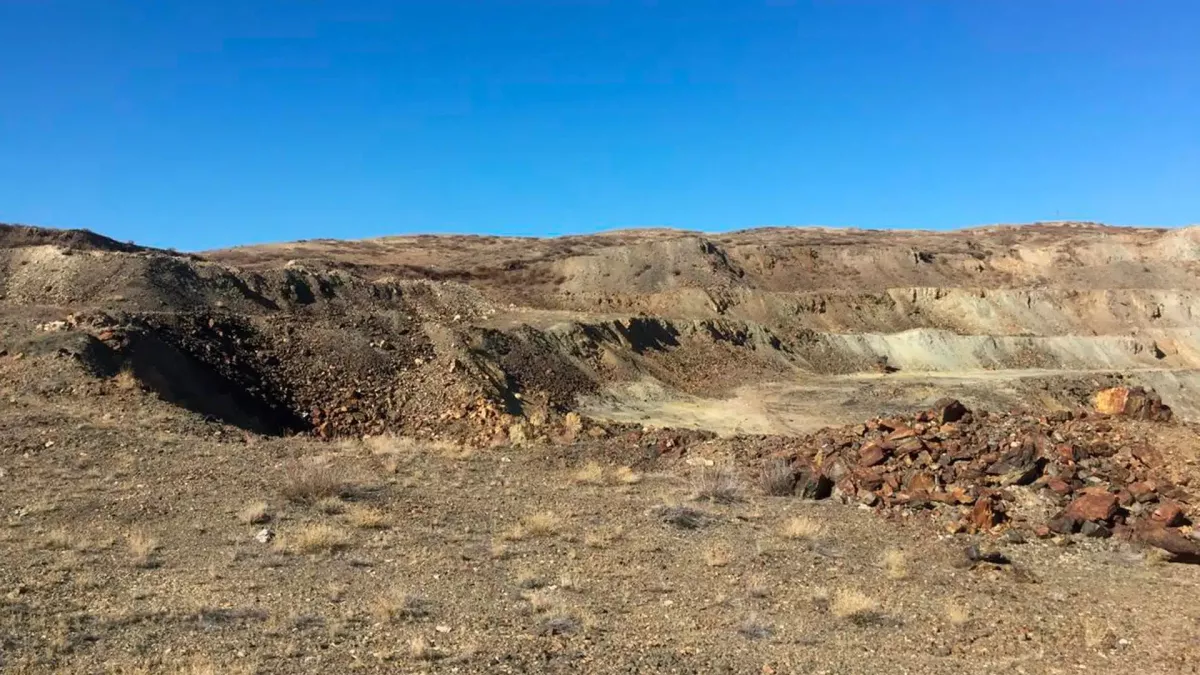
The reason for this is that data on reserves of rare earth and other critical minerals in the region is still largely based on geological surveys from the Soviet era, and this information is significantly outdated. For example, estimates suggesting that Kazakhstan may hold around 28 million tonnes of such minerals, and that the country possesses reserves of 19 out of the 34 elements critical to the global economy, are based precisely on those earlier studies.
Therefore, large-scale geological exploration and substantial investment are now required to accurately determine the real volume and potential of rare earth deposits in Central Asia,” he said.
The political analyst also noted that it is precisely the uncertainty in resource assessments that makes the region particularly attractive to major global players.
“In order to obtain an objective picture, significant financial investment is required. Without modern exploration, it is impossible to accurately assess the scale of existing reserves. At the same time, some forecasts suggest that around 60 per cent of deposits in the region may still remain undiscovered. Moreover, many promising areas do not yet have specific owners or long-term developers. This is why the United States is seeking to carve out its niche in this market and secure its position in Central Asia in advance, before competition for these resources becomes fully established,” he said.
According to him, this is precisely what explains Washington’s growing attention to the region within various international cooperation frameworks.

“If we talk about the C5+1 format and the initiatives currently being discussed in Astana, the main objective of the United States is to secure a certain share of the future critical minerals market and gain access to control over part of the region’s resource base.
However, to achieve this goal, it is not enough to simply participate in extraction. It is necessary to build a full-fledged logistics system for transporting critical minerals from Central Asia to global markets. In this context, the focus is primarily on the transportation of processed critical elements via the Middle Corridor across the Caspian Sea to Azerbaijan, and then, most likely, through the Zangezur Corridor and Turkish territory to global markets, including the United States.
The second important issue is the further development of logistics infrastructure and increasing the utilisation of the Middle Corridor itself. Although its use has temporarily increased due to the situation in the Middle East and shifts in certain transport flows, in practice the route’s potential is still far from being fully realised. Therefore, for the United States and its partners, the development of this transport artery represents a strategic interest,” the expert said.
In conclusion, Sharip Ishmukhamedov noted that the most ambitious objective could be the formation of a full-fledged production cluster in the region.
“This could involve not only the extraction and processing of critical minerals, but also the creation of joint ventures for the production of specific high-tech goods.
At this stage, it is difficult to assess how realistic such plans are. However, in the long term, Kazakhstan and other Central Asian countries could participate in the production of components for electric vehicle batteries, various advanced materials, conductors for the electronics industry, products for microelectronics, and other high-tech sectors.
It is also possible that such materials could find applications in the defence sector, as critical minerals are widely used in modern drone systems, electronic equipment, and advanced technological hardware. That is why the development of joint production facilities and the creation of deep-processing value chains represent one of the most promising areas of cooperation, although it is still too early to judge the extent to which these plans will be implemented,” he said.







 editor@caliber.az
 +994 55 444-88-98
 Азербайджан, Баку, ул. Низами, 203, Af Business House, 5-й этаж