










A new front in the tech wars Musk vs. the European Union
A new scandal is brewing between American billionaire Elon Musk and the European Union. We say “new” because a similar episode occurred last year. Back then, Musk claimed that Brussels had offered him a “secret illegal deal” to limit freedom of speech on his platform X (formerly Twitter), while Brussels maintained that it was a standard procedure required of all platforms.
The issue quickly shifted from a legal to a political realm when Musk publicly urged German voters to support the far-right AfD party, and later sharply criticised Italian judges on migration matters, claiming they “should step down.”
The current confrontation stems from the European Commission fining X €120 million for violations of the EU Digital Services Act. This is the first case of its kind since the law came into force. The regulator accused the company of selling “blue checkmarks” without proper verification, lacking transparency in advertising, and restricting public data access for researchers.
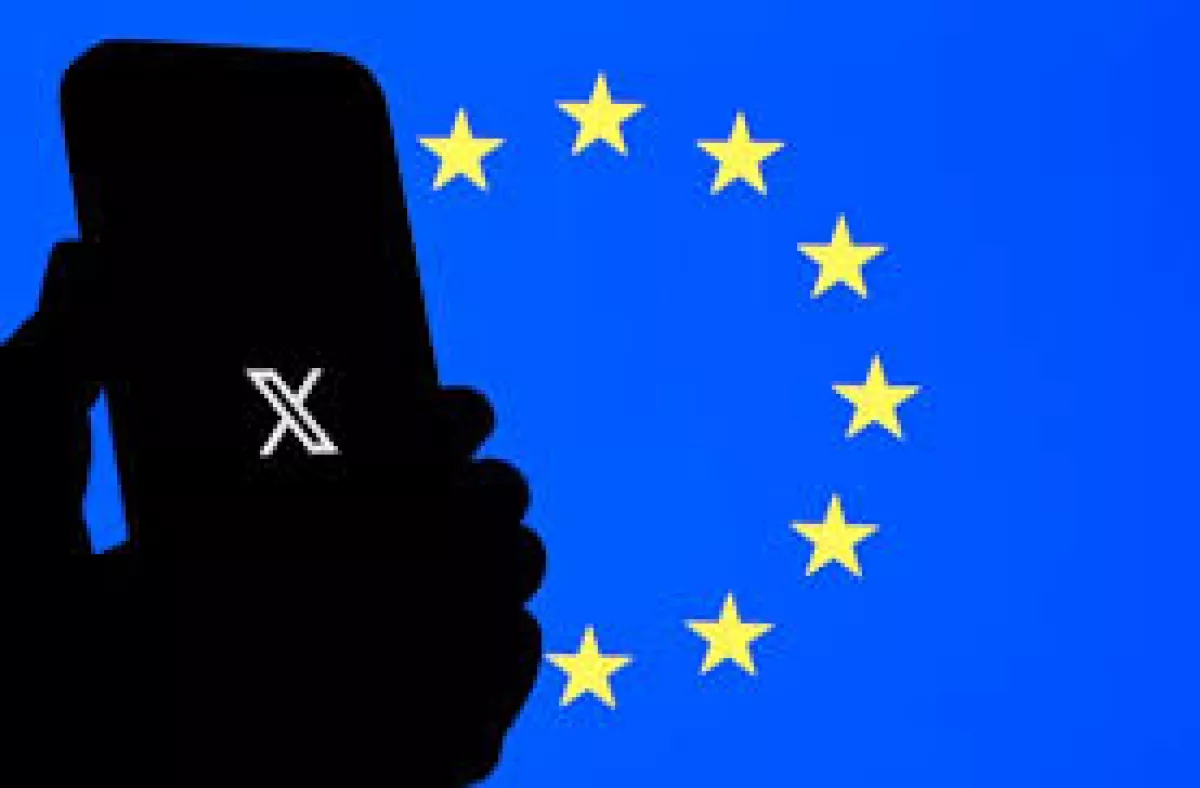
Musk's response was immediate. He accused Brussels of excessive bureaucracy and called for abolishing the EU and returning sovereignty to countries so that governments could better represent the interests of their citizens. In his posts, the entrepreneur claimed that European bureaucracy “is slowly smothering Europe to death” and warned that restrictions on free speech would lead to the West’s decline.
This time, Musk received backing from official Washington. Vice President J.D. Vance called the fine an attack on American business and stated that the EU should “be supporting free speech not attacking American companies over garbage.” Secretary of State Marco Rubio described it as “an attack on all American tech platforms and the American people by foreign governments.” Even President Donald Trump expressed bewilderment: “Europe is going in some bad directions. It's very bad, very bad for the people. We don't want Europe to change so much. They're going in some very bad directions.” U.S. Secretary of Commerce Howard Lutnick went further, warning that Washington would maintain 50% tariffs on European goods if the fine is not overturned.
In Europe, the European Commission’s position was backed by many ministers. French Foreign Minister Jean-Noël Barrot noted, “Transparency is mandatory for major platforms. TikTok complied, X refused.” The digitalisation ministers of Denmark and France called the decision fair and “a signal to all tech companies.”
However, voices of protest also emerged in the Old Continent. Dutch Party for Freedom leader Geert Wilders claimed that the Commission is “totalitarian” and “was not elected by anyone.” Similarly, Florian Philippot, leader of the French right-wing party Les Patriotes, called for the EU’s dissolution, describing the Union as “a dictatorial structure that hates free speech.”
Support for Musk also came from Telegram founder Pavel Durov, who argued that the EU “creates impossible rules to punish platforms that refuse to censor content.” He recalled his own conflicts with French and Romanian authorities, stating that pressure on independent digital companies has become the norm.
Meanwhile, some commentators share the view that the formal reasons for the fine are just the tip of the iceberg, and that the real conflict stems from X’s refusal to hand over user data to European intelligence agencies.
This, however, is somewhat indirectly confirmed by the European Commission itself. According to the fine decision, the €120 million penalty is divided into three parts: €45 million for the account verification system, €35 million for insufficient transparency in advertising, and €40 million for lack of researcher access to data (of course, according to EU officials, this only concerns general information).
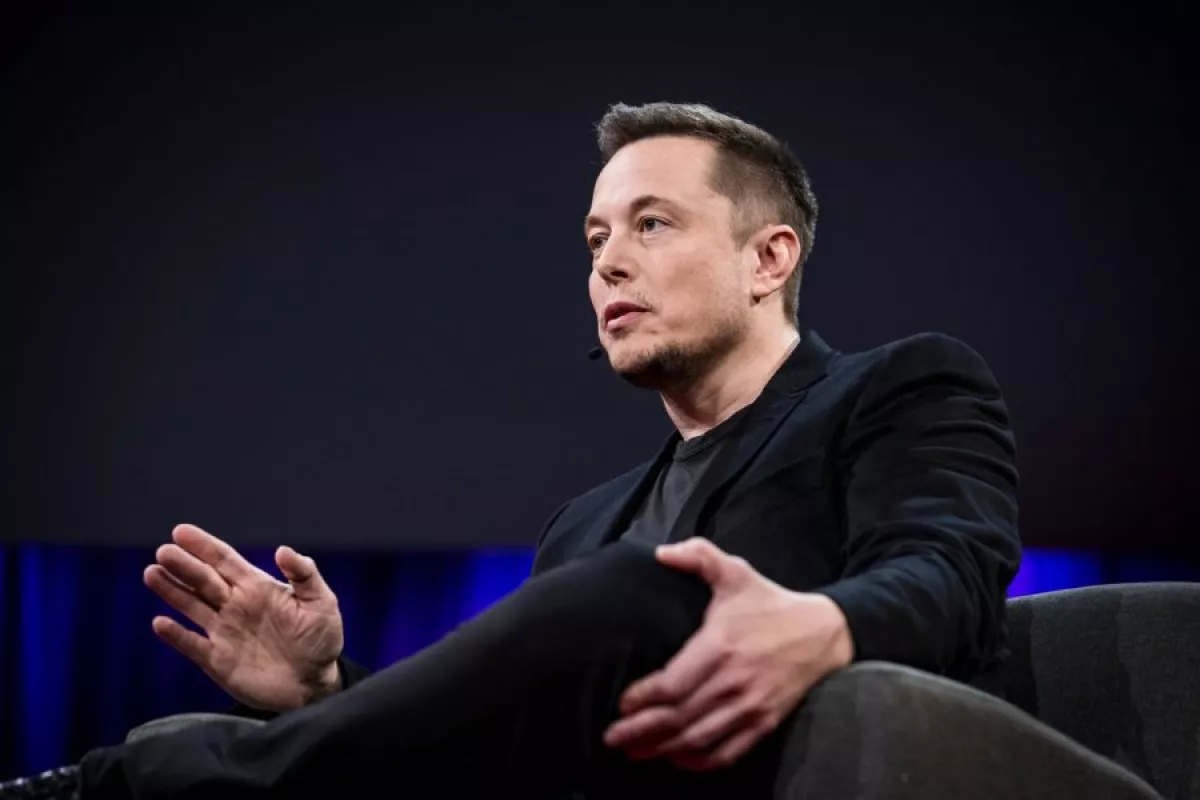
In any case, it is clear that the EU imposes stricter data-transparency requirements on social networks than the United States. This may indicate that Europeans are trying to compensate for the absence of their own tech giants — and for their technological lag behind the US — through tighter regulation.
Amid rising tensions between Washington and Brussels, experts warn that the conflict between Musk and the European Commission is more than a business dispute. It is a struggle for control over the digital sphere, where the interests of national regulators, tech giants and political leaders collide.
Whatever the outcome, the confrontation has already become emblematic of an era in which the boundaries between politics, technology and free speech are dissolving — and a single post on social media can trigger an international crisis.
Recalling J.D. Vance’s famous speech at the Munich Security Conference and the recently released new US National Security Strategy — both of which utterly dismiss Europe’s approach to free-speech policy — one may conclude that the contradictions between the US and the EU are deepening, and that digital technologies are rapidly becoming one of the main arenas of confrontation.







 editor@caliber.az
 +994 55 444-88-98
 Азербайджан, Баку, ул. Низами, 203, Af Business House, 5-й этаж