










IAEA vs Iran: a nuclear deadlock A new phase of the crisis
Apparently, the already complex situation surrounding Iran’s nuclear program may worsen even further due to the latest demands made by the International Atomic Energy Agency (IAEA) on Tehran.
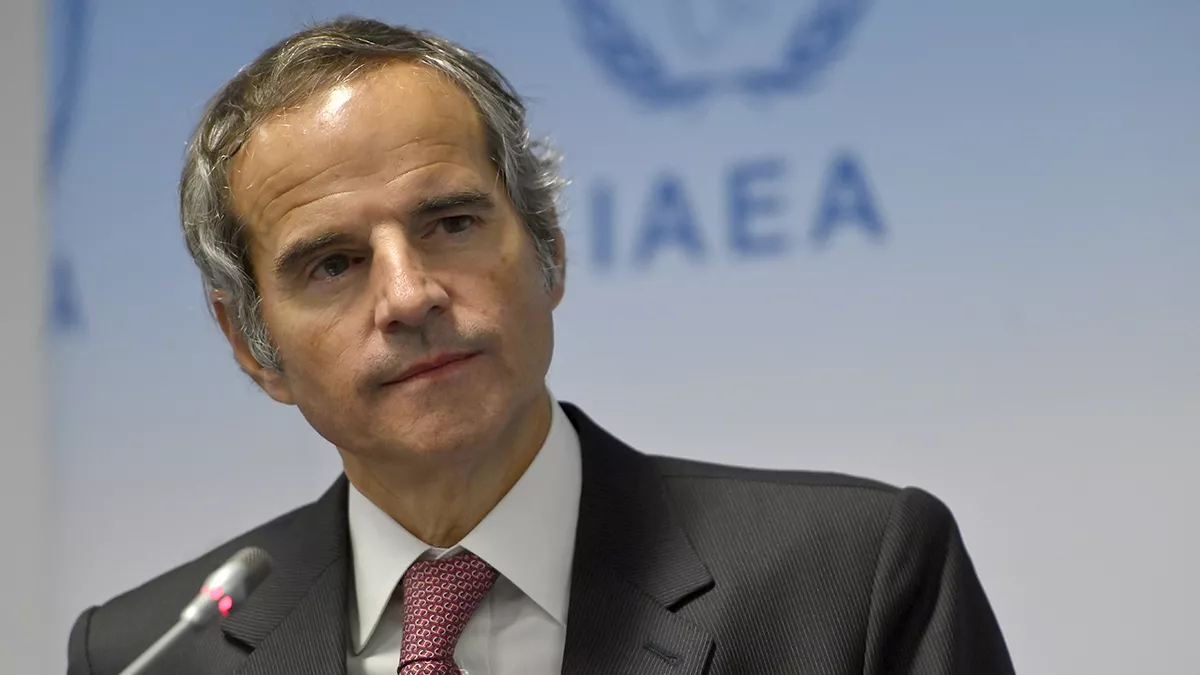
Thus, in an interview with one of the Russian media outlets, IAEA Director General Rafael Grossi stated that the Agency insists on being granted access to Iran’s nuclear facilities for inspections. He justified this demand by noting that “the bulk of Iran’s highly enriched uranium remains in the country.”
“Of course, we are facing a serious lack of information—and from a non-proliferation standpoint, this is extremely negative—because even if these facilities were severely damaged, there is a clear understanding that most of the highly enriched uranium possessed by Iran remains inside the country. This is critically important from the perspective of non-proliferation,” he said, adding that Iran’s nuclear programme includes an advanced research and development sector, the Bushehr Nuclear Power Plant, and plans to build new facilities, including in cooperation with Russia.
At the same time, responding to a question about the rationale for the IAEA’s continued presence in Iran in light of U.S. statements claiming the destruction of Iranian nuclear facilities, Grossi revealed some noteworthy details: “First of all, Iran has far more than just these three sites [Fordow, Natanz, and Isfahan, which were attacked by the United States – ed.]. These three facilities are extremely important in terms of uranium processing, conversion, and enrichment, but Iran’s nuclear programme does not end there. Therefore, work continues across all of these areas.”
Analysing the IAEA chief’s statements in the context of international peace, several important nuances can be highlighted. The first aspect is that the Agency’s demands toward Tehran are well grounded, since under the Treaty on the Non-Proliferation of Nuclear Weapons (NPT) and Iran’s Comprehensive Safeguards Agreement, the Islamic Republic of Iran is obliged to grant inspectors access to its nuclear facilities and not to obstruct such access.
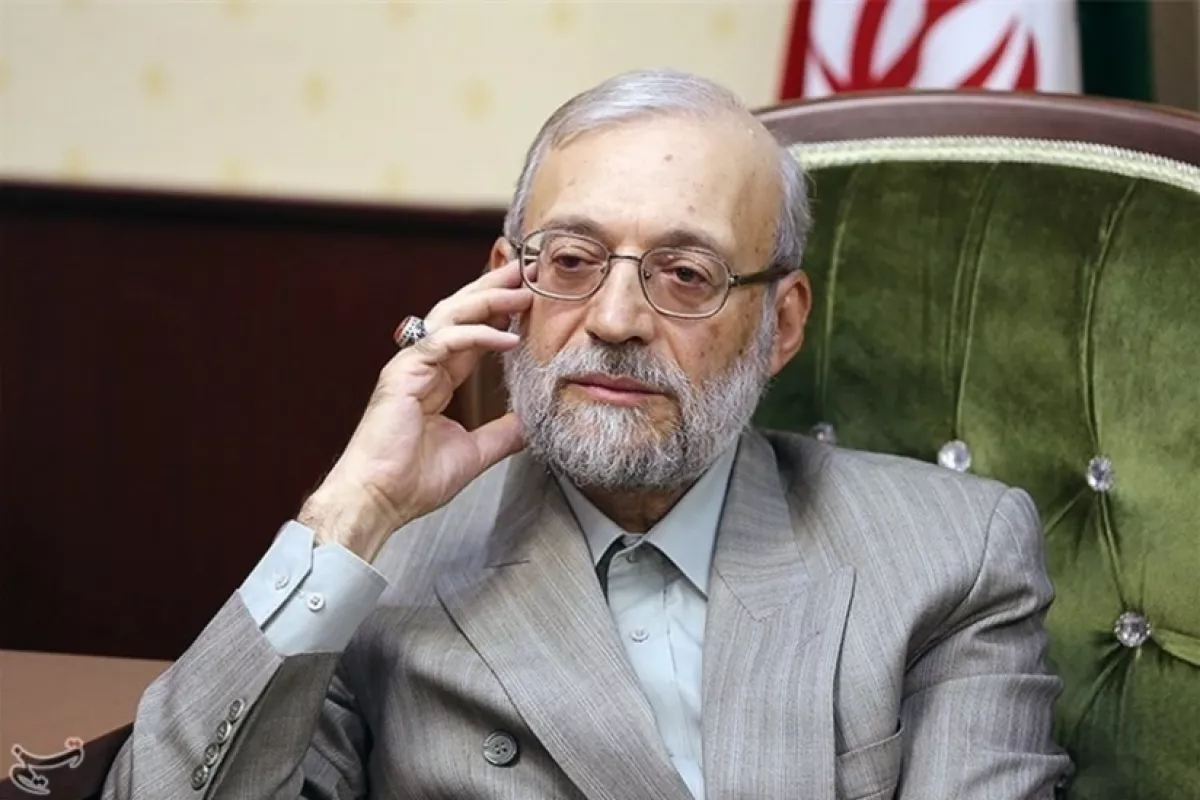
The second aspect is that the current disagreements with the IAEA have been significantly fueled by, to put it mildly, imprudent statements made by the Iranian authorities themselves regarding Tehran’s nuclear program. In particular, in November 2025, an adviser to the Supreme Leader of the Islamic Republic, Mohammad-Javad Larijani, stated that the country could build an atomic bomb in less than two weeks.
“If war breaks out, it will not be barbaric; both sides have their limits. The fatwa [banning the creation of nuclear weapons] has many foundations and a long history in Shiite law… The country could obtain an atomic bomb in less than two weeks, but we remain committed to our religion,” he said, adding that he supports the expansion of Iran’s nuclear potential, presenting it as a deterrent factor.
In April 2025, the then adviser to the Supreme Leader of the Islamic Republic of Iran, former Speaker of Parliament and now Secretary of Iran’s Supreme National Security Council, Ali Larijani, stated on Iranian state television that “Iran would have no choice but to create nuclear weapons in the event of an attack by the United States.”
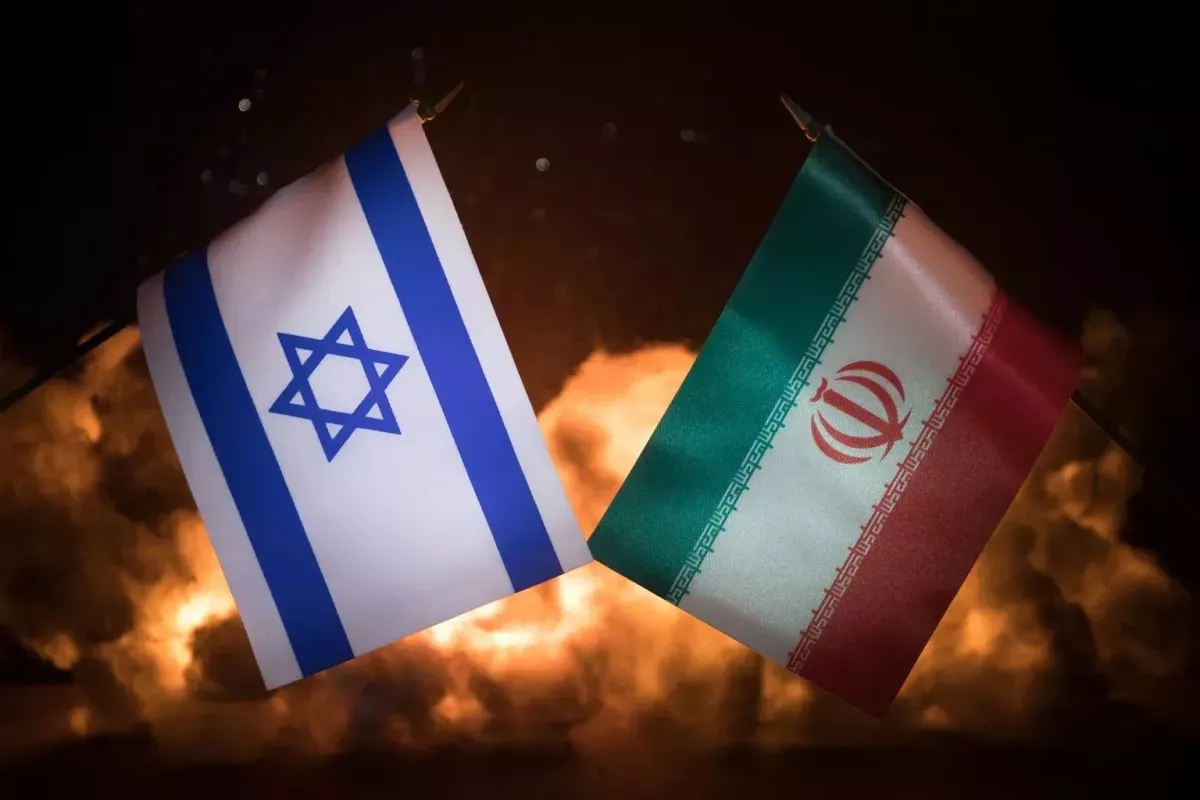
What happened next is well remembered: in June, the 12-day Iran–Israel war began, and on June 22, the United States of America officially joined the conflict. The U.S. Air Force and Navy then launched an operation codenamed Midnight Hammer, striking targets on Iranian soil.
Following this, the U.S. President announced that the American Air Force had successfully bombed three key facilities of Iran’s nuclear programme—Fordow, Natanz, and Isfahan—stating on the social media platform Truth Social that Iran’s largest uranium enrichment sites had been completely destroyed.
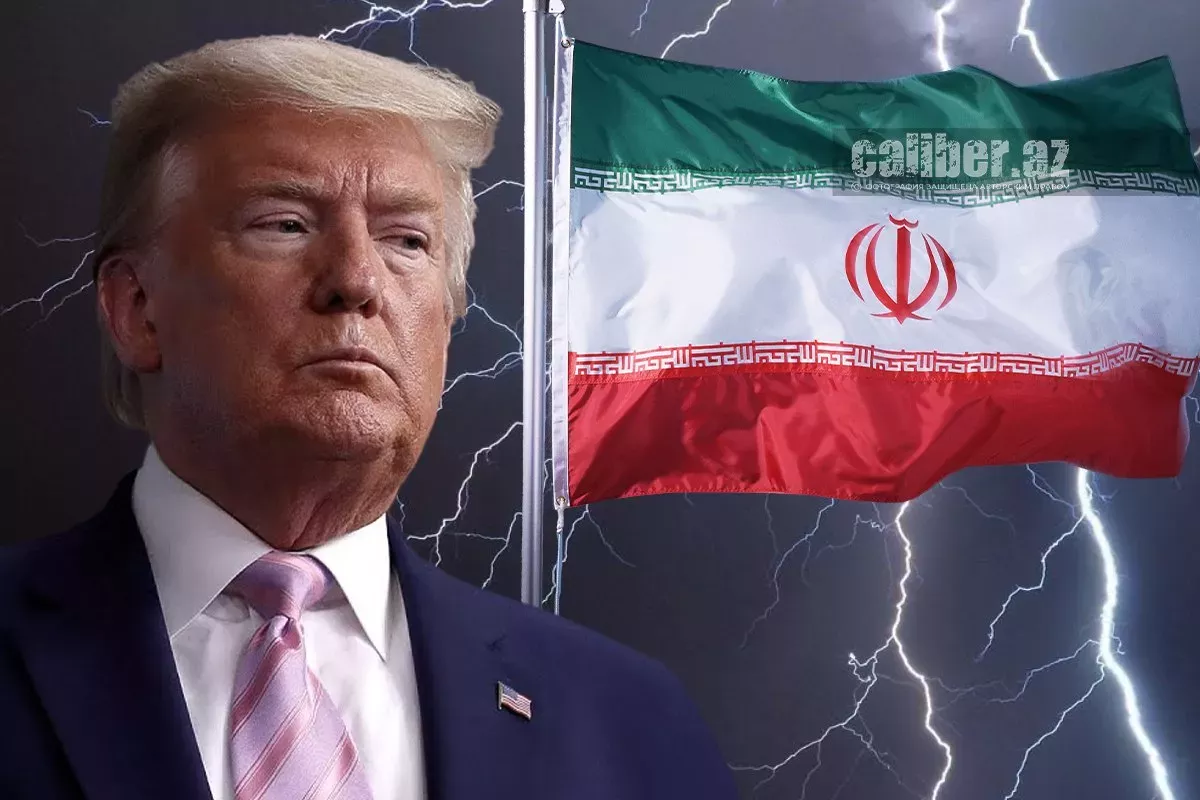
Later, Trump addressed the nation and described the operation as a “spectacular military success,” stating that all three facilities had been “totally obliterated” and that the nuclear threat posed by the “world’s number one state sponsor of terror” had been eliminated. The Pentagon also confirmed that the U.S. military operation had resulted in a significant rollback of Iran’s capabilities in this sphere.
However, in his October interview with Press TV, Ayatollah Ali Khamenei firmly rejected this information, stating that the United States had failed to eliminate Iran’s nuclear program through airstrikes. He also ruled out the possibility of new negotiations with Washington, noting that they would lead to “serious, irreparable damage.”
And since Iran enriches uranium to 60 per cent—close to weapons-grade levels—some experts do not rule out that the existing stockpiles could be used to create a bomb.

As a result of all this, the IAEA is keeping the Islamic Republic under close scrutiny through regular inspections, the adoption of resolutions, and demands for transparency within the framework of the NPT. For example, in the summer of 2025, the Agency adopted a resolution stating that Iran was failing to meet its obligations under the nuclear non-proliferation regime, emphasising that Tehran had repeatedly been unable to provide credible explanations and evidence that nuclear materials were not being used for further enrichment with a possible military purpose.
In addition, Iran failed to provide the Agency with “technically credible explanations” regarding the presence of man-made uranium particles at undeclared sites in Varamin, Marivan, and Turquzabad. It was also noted that, according to the IAEA, Iran has already accumulated around 400 kilograms of highly enriched uranium.
In turn, the Iranian side has voiced accusations against Western countries and issued threats to completely cease cooperation with the IAEA. In other words, in response to the Agency’s demands—which are, in principle, lawful from the standpoint of international law—Tehran is using its nuclear program as a tool to achieve its own objectives.
In light of this, the likelihood that either side in this confrontation will retreat from its position is virtually zero. This makes it possible to conclude that tensions surrounding Tehran’s nuclear program will only continue to escalate, potentially prompting the United States and Israel to take further military action in the foreseeable future. Such a scenario would constitute yet another threat to international peace and security.







 editor@caliber.az
 +994 55 444-88-98
 Азербайджан, Баку, ул. Низами, 203, Af Business House, 5-й этаж