










Inglorious end of OSCE Minsk Group: Baku has achieved its goal Expert opinions on Caliber.Az
The Organisation for Security and Co-operation in Europe (OSCE) has officially terminated the Minsk Process and abolished all related structures as of 23:59 on 30 November 2025. In other words, the OSCE Minsk Group can now be consigned to history once and for all.
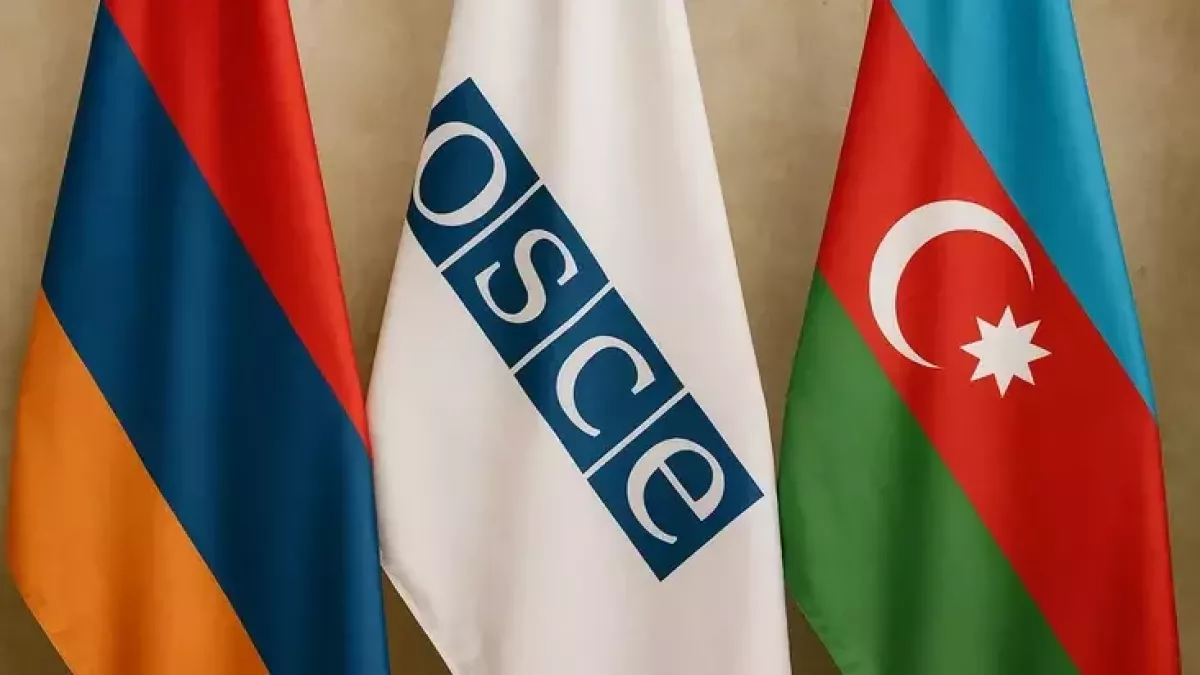
The OSCE notes that this step aligns with the decision adopted by the organisation’s Ministerial Council (MC.DEC/1/25) on September 1, 2025, following a joint appeal by Armenia and Azerbaijan to the Finnish Chairmanship.
The completion of all necessary administrative procedures marks the formal closure of a process that formed part of a consensus reached by all 57 OSCE participating States.
Renowned experts, in a conversation with Caliber.Az, explained the significance of this decision for Azerbaijan and the region as a whole.
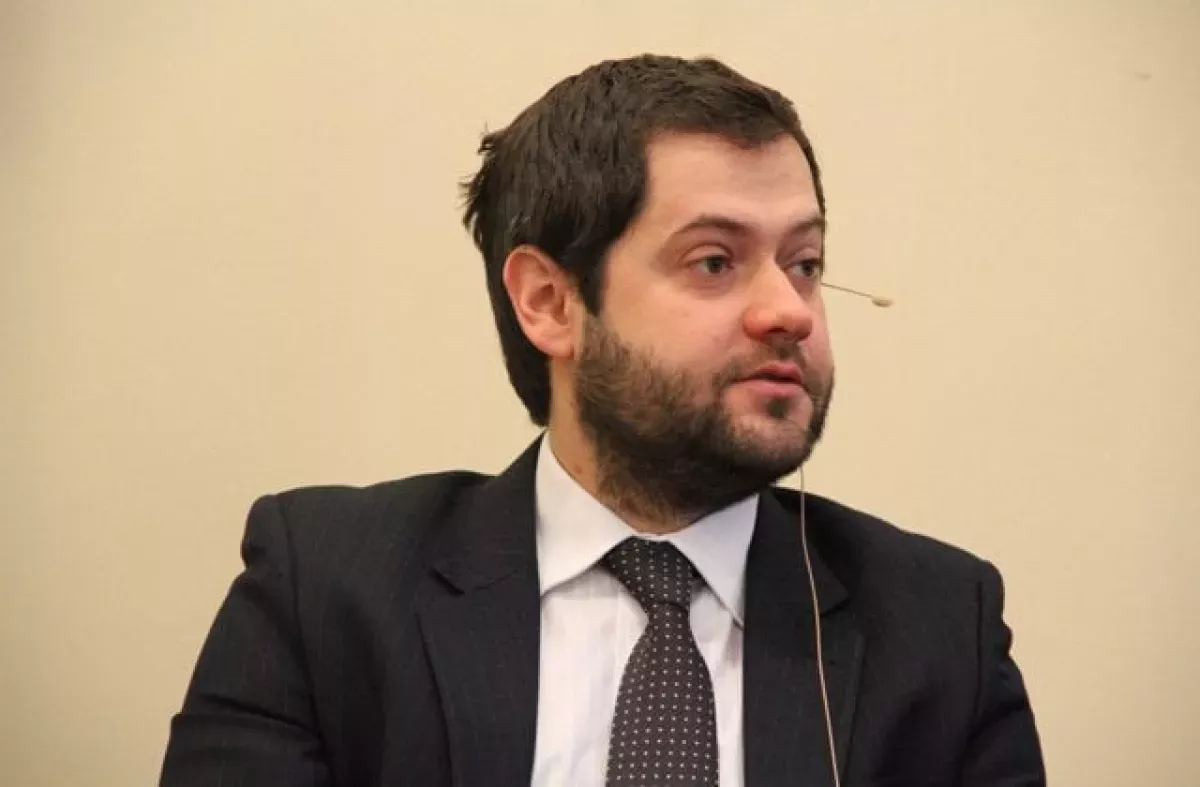
Polish political scientist and Caucasus expert Konrad Zasztowt, Doctor of Philosophy at the Faculty of Oriental Studies of the University of Warsaw, notes that the dissolution of the OSCE Minsk Group now carries primarily symbolic significance.
“Throughout three decades, the inefficiency of this structure stemmed from several factors, the main one being that the interests of the group’s co-chairs — Russia, France, and the United States — contradicted one another. Each country sought to play the leading role in resolving the conflict, undermining the efforts of the others. In Russia’s case, it was primarily interested in preserving a frozen conflict in order to control it. But after the annexation of Crimea and Russia’s full-scale invasion of Ukraine, not only did the Minsk Group lose its relevance — the OSCE itself did as well,” Zasztowt argues.
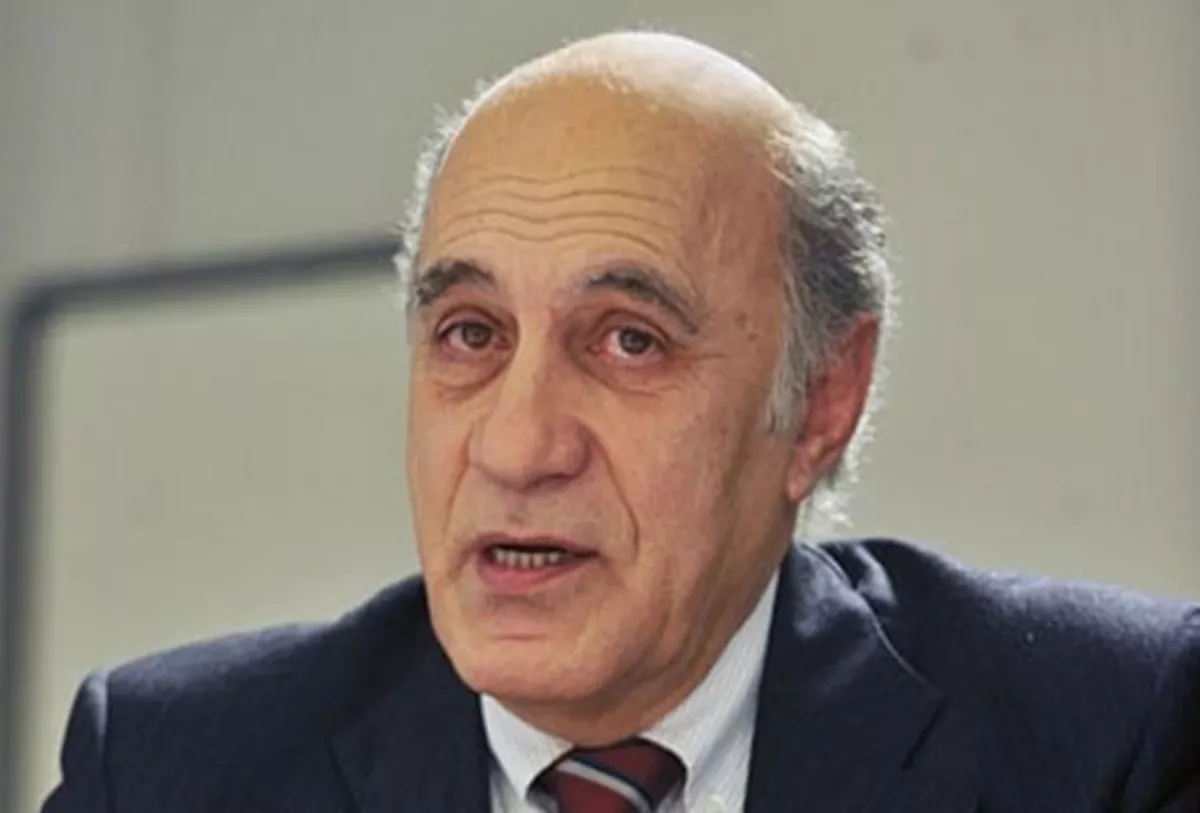
Political analyst and professor at Western Caspian University Fikret Sadikhov stated that, in practice, the Minsk Group had long ceased to exist, as it had been effectively inactive.
“It had become a rotten appendix attached to the process of resolving the Karabakh conflict. We witnessed how the leading states that created this format merely observed what was happening, offering clumsy and entirely unrealistic initiatives, and putting forward proposals that completely contradicted Azerbaijan’s interests.
The Madrid Principles, the Key West proposals, the Prague proposals — all of these were aimed at freezing the conflict and turning it into a long-term problem, while the co-chairs themselves used their status to come here, enjoy the natural beauty of Azerbaijan, stay in luxury apartments, and make lofty statements.
We put an end to this. This was made possible primarily by our actions to liberate the occupied territories and restore full sovereignty. Today, we have no need for the Minsk Group — neither formally nor legally. And it was essential for us to ensure its legal dissolution. We worked towards this for a long time and, by coordinating with Armenia on this specific issue, effectively ensured that its activities — or rather its inactivity, which was tantamount to negative action against Azerbaijan — have finally come to an end,” the professor stressed.
He believes there is no way back now.
“We are on a path of revival. Azerbaijan has become a serious actor not only in the region, but also in global politics and international relations. Other states take Azerbaijan seriously and establish large-scale joint projects with it. Today, we cooperate with numerous international institutions, and new formats are actively taking shape.
I believe this does not mean that threats no longer exist. But it does mean that we are capable of independently countering various challenges and risks that may pose a serious danger to our independence. I am convinced that our consistent foreign policy will aim to prevent such risks and threats, and to ensure that we — naturally, with the support of our close allies and partners — are able to neutralise them ourselves,” Sadikhov believes.







 editor@caliber.az
 +994 55 444-88-98
 Азербайджан, Баку, ул. Низами, 203, Af Business House, 5-й этаж