










Maduro captured, Tehran on edge How the US is reshaping global power
The protests that began in Iran at the end of December last year and have continued for more than a week, and the lightning-fast US military operation against Venezuela on January 3, 2026, which resulted in the arrest of that country’s president, Nicolás Maduro, by US special forces, did not coincide in time by chance. In effect, these days saw a significant strengthening of the geopolitical positions of the United States. Moreover, the operation in Venezuela—carried out in line with the “Monroe Doctrine” and reinforcing American hegemony in Latin America—simultaneously helped the United States to consolidate its positions in the Middle East.
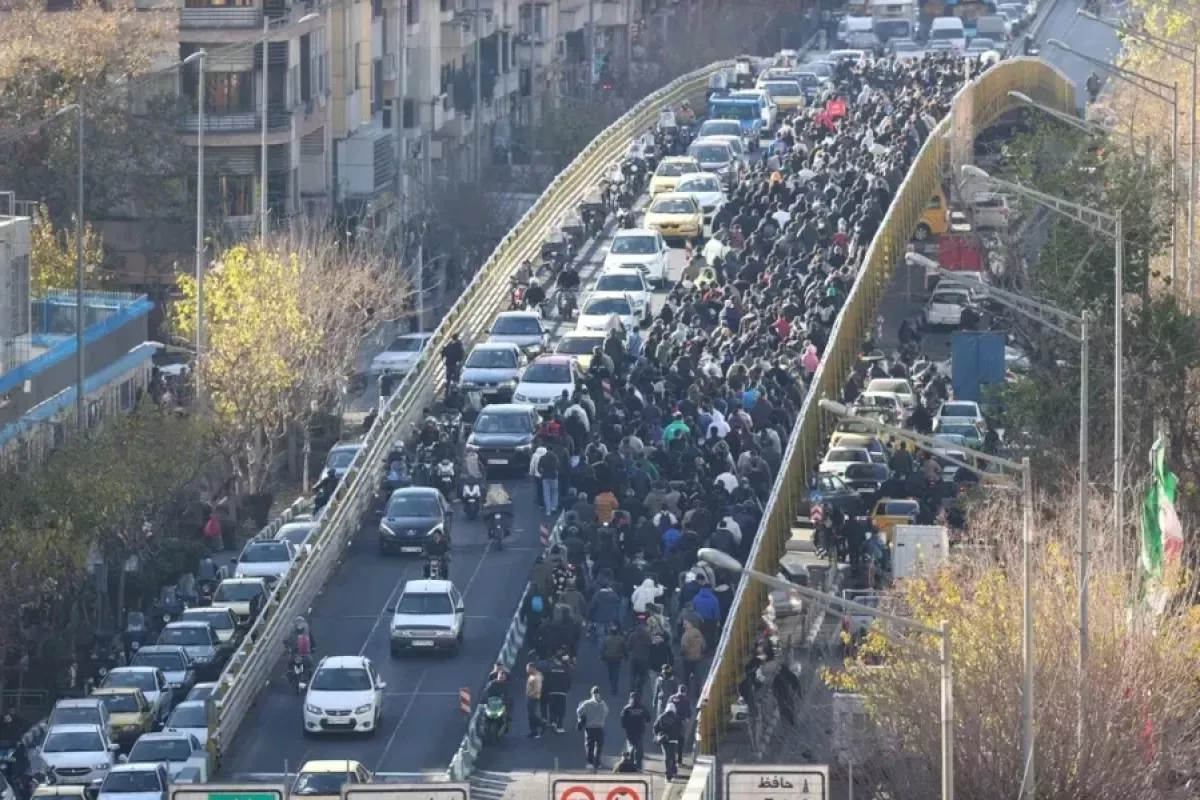
Venezuela and the Islamic Republic of Iran are critically dependent on the export of a single resource—oil. In 2025, falling “black gold” prices hit the economies of both countries hard. In Iran, 2025 saw a sharp rise in inflation, reaching 52 per cent, accompanied by a collapse of the Iranian rial. On December 28, 2025, mass protests began in Tehran, sparked by shop owners in the “Grand Bazaar” who closed their stores. Their calls were quickly supported by entrepreneurs in other cities, and the protests spread to universities and central urban areas. The demonstrations became increasingly politicised, leading to clashes with the police.
Interestingly, Venezuela’s economic situation at the end of 2025 was far worse than Iran’s. Over 2025, the Venezuelan currency—the bolívar—fell by more than 400 per cent against the dollar, and inflation exceeded 250 per cent, the highest in the world. However, unlike in Iran, public discontent over declining living standards did not spill onto the streets of Venezuelan cities, even though in previous years, worsening economic crises had often led to protests in the country.
Most likely, after failing to orchestrate a Colour Revolution in Venezuela during the previous economic crisis, the United States decided this time to simply change the country’s leadership through military intervention and by using “bought” agents of influence within the Venezuelan elite. Without “diverting” forces and resources to organise a popular uprising, Washington carried out a lightning-fast military operation on January 3, striking key Venezuelan military targets and deploying special forces that arrested President Nicolás Maduro and his wife, then transferred them to the United States.
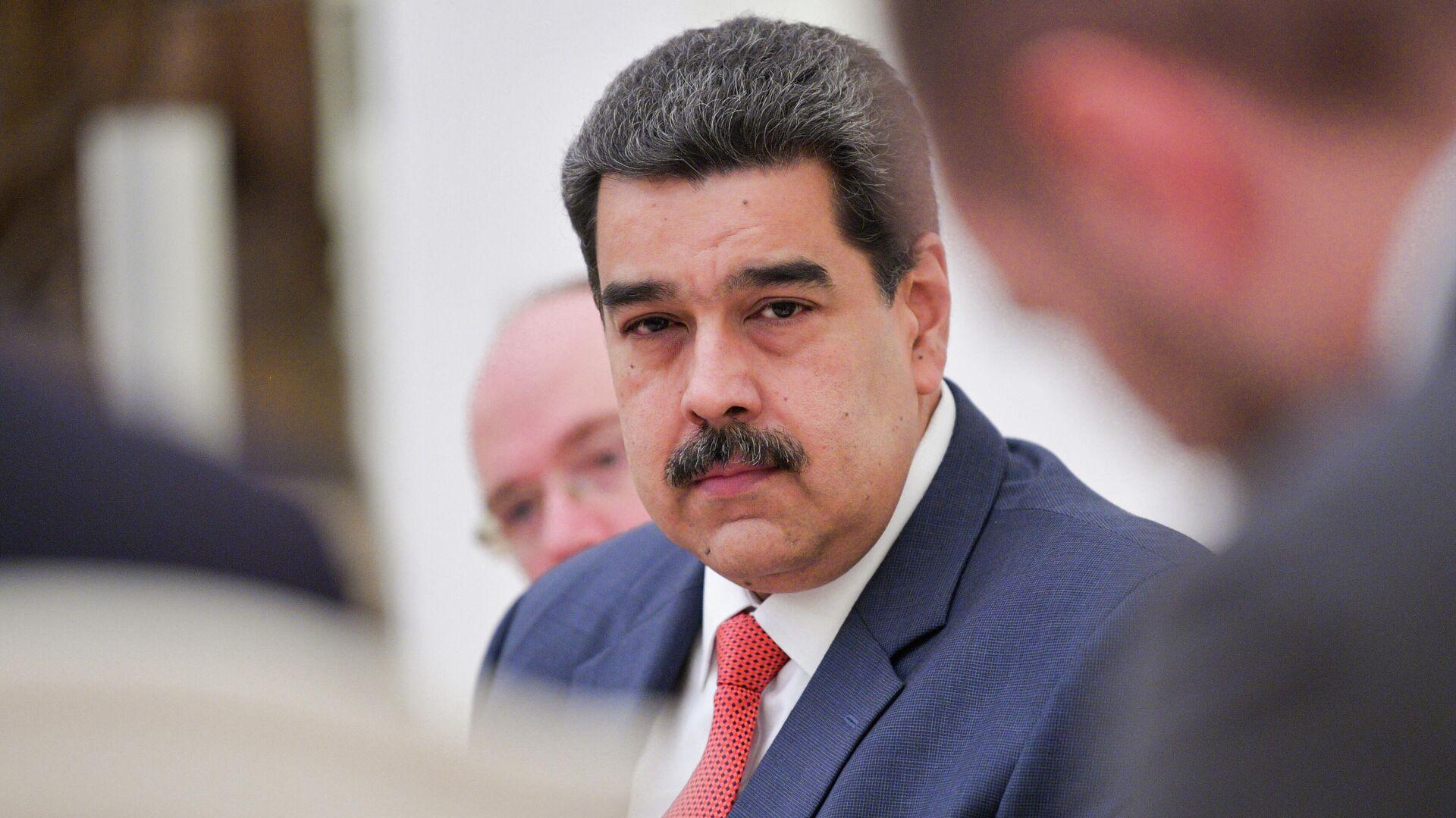
The speed with which Maduro was captured—and the fact that no American servicemen were killed—suggests that the operation was planned and predetermined in advance. Not only was there no resistance from the Venezuelan army, but there were not even any attempts to shoot down American helicopters. Another question remains: “Did Maduro himself know in advance that he was under threat?” and “If he did, could such a scenario have been prevented?”
The charges brought by the United States against the Venezuelan elite, under which Maduro and his wife will stand trial in an American court, are very serious. However, Donald Trump made it clear that other Venezuelan leaders would not be prosecuted if they sided with the United States: “If they stay loyal, the future is really bad, really bad for them. I’d say most of them have converted.”
All of this suggests that Maduro’s inner circle faced a choice: either face the prospect of American prison for charges such as drug-related terrorism, or “turn in” their leader and remain free—and perhaps even retain power. Officials and military leaders in Caracas apparently chose the latter.
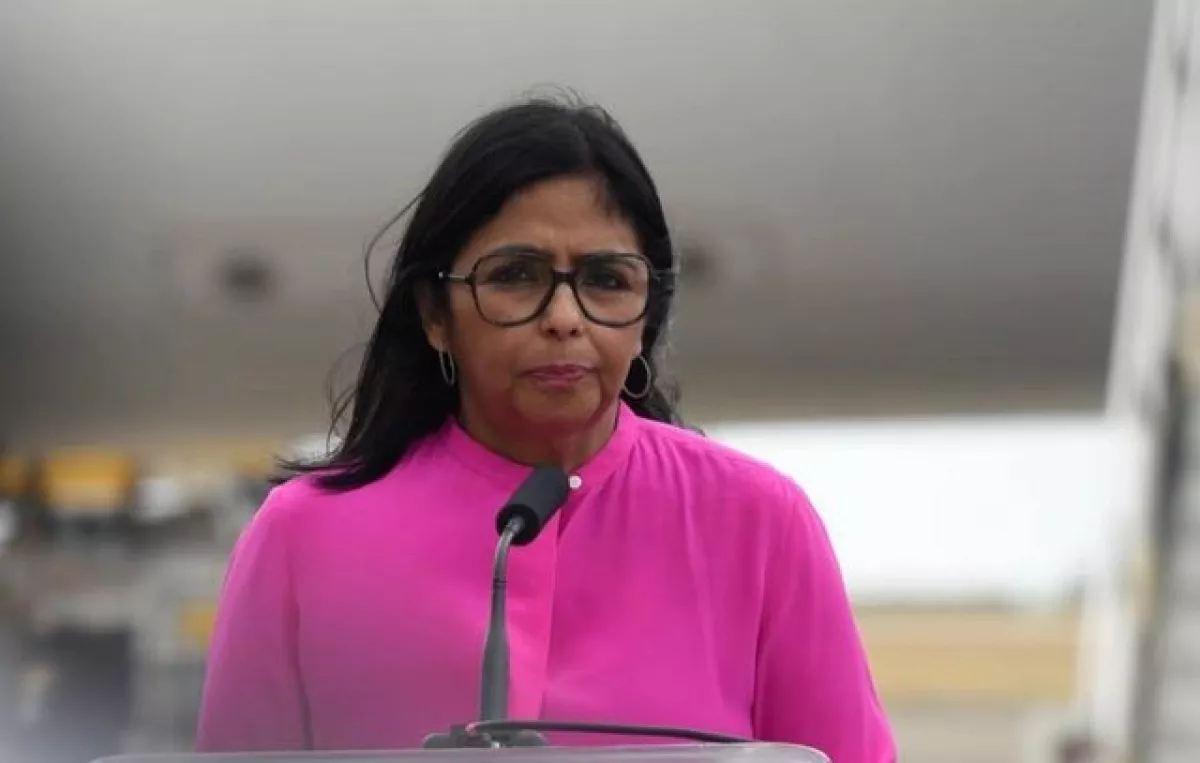
It is perfectly understandable that Delcy Rodríguez, who became the de facto head of state after Nicolás Maduro’s arrest, could not immediately shift her rhetoric and openly endorse U.S. actions. Therefore, speaking on state television, she called for the release of Maduro and his wife and declared that Venezuela “will never again be anyone’s colony – neither of old empires, nor of new empires, nor of empires in decline.” However, during a press conference about the operation in Venezuela, the U.S. president stated that Secretary of State Marco Rubio had spoken with Rodríguez, and “she's essentially willing to do what we think is necessary to make Venezuela great again.”
Washington had clearly “notified its intentions” to Beijing in advance and promised to take Chinese interests into account. Unsurprisingly, after the military operation, Donald Trump stated that there would be no problems with China, since the country is “going to get oil.”
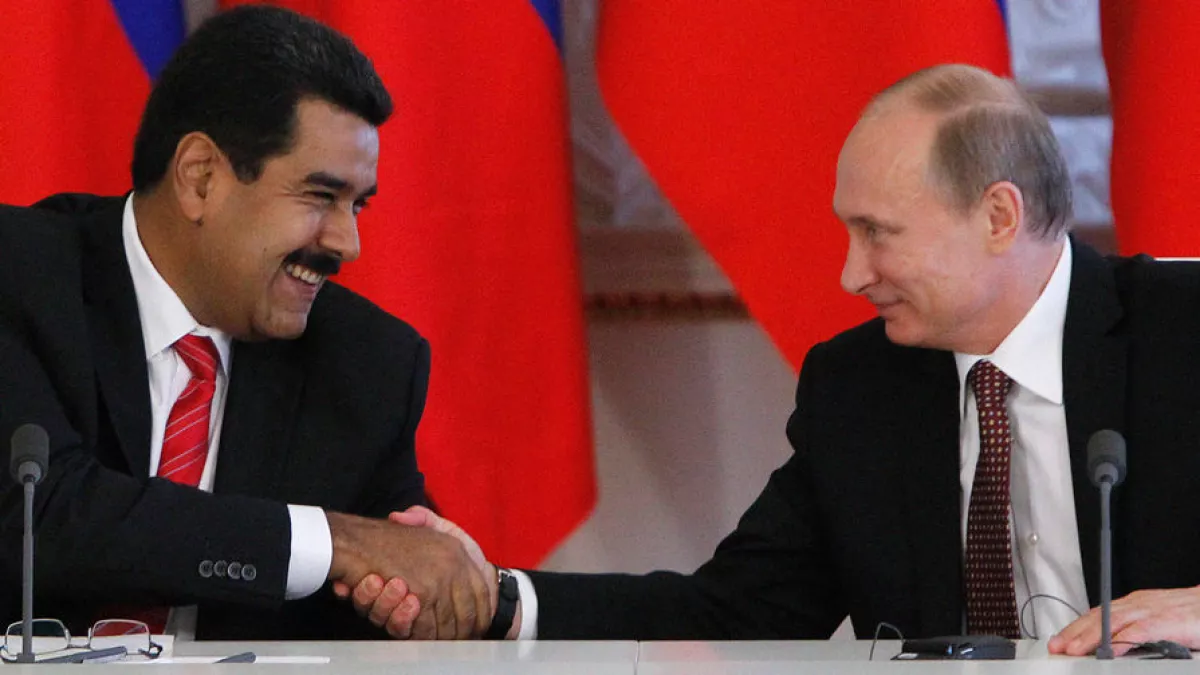
The clear loser in the Venezuelan situation is Russia, which spent enormous resources supporting its “ally” in the Western Hemisphere. In the current circumstances, Moscow could at best offer Nicolás Maduro the possibility of evacuation, similar to what was done for Bashar al-Assad. The bigger question is how necessary it really is for the Kremlin to gather deposed leaders on its territory, essentially highlighting its own geopolitical impotence.
After Syria, Venezuela has become Russia’s second major geopolitical setback. At the same time, the U.S. president did not miss the opportunity to contrast his truly successful operation in Venezuela with Russia’s so-called “special military operation” in Ukraine, which began on February 24, 2022, and evolved into a four-year bloody war of attrition.
“We can't take a chance after having done this incredible thing last night of letting somebody else take over where we have to do it again. We can do it again. Nobody can stop us. Nobody has the capability that we have, you know? When I watched that war in Russia [as Trump referred to the conflict in Ukraine — ed.] going on and on and on and everybody dying, it's, like, it's primitive. It's primitive. It's horrible,” Trump stated.
Meanwhile, it appears that the United States is not yet planning to carry out a military operation in Iran similar to the one conducted in Venezuela. However, this does not mean that Washington is unable to exert pressure on Tehran through other means—most notably, via the “street.”
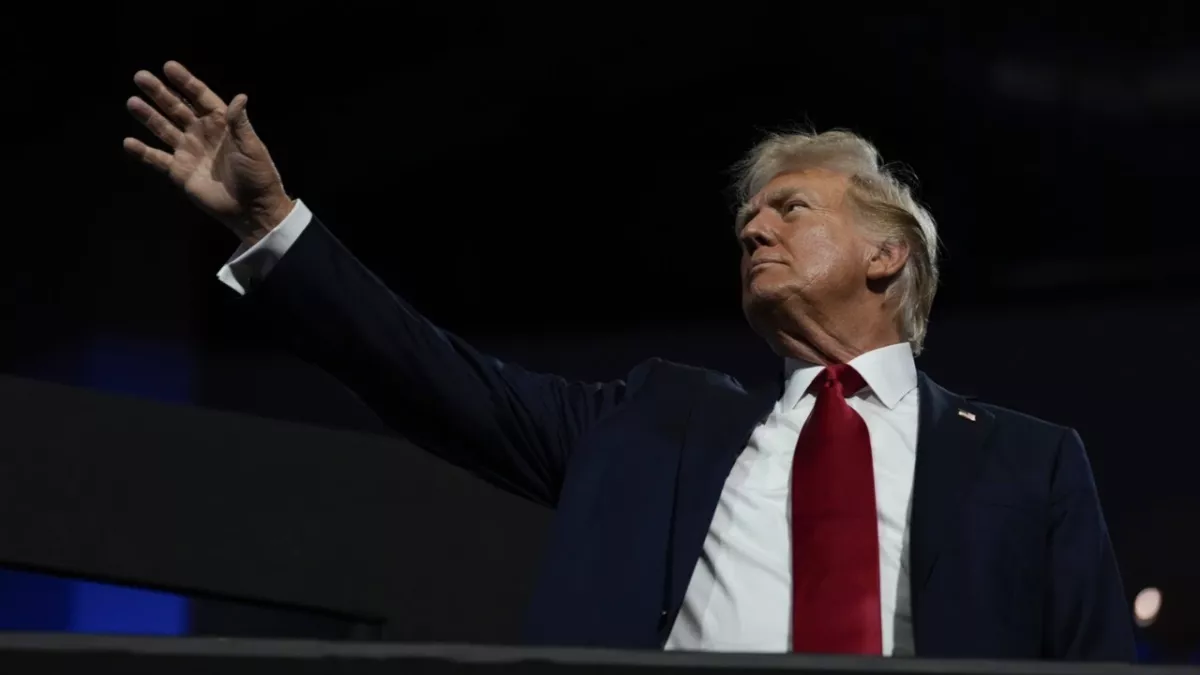
The United States has expressed support for the protests in the Islamic Republic, and the operation in Venezuela has clearly strengthened the White House’s position vis-à-vis Iran compared to the period before Maduro’s overthrow. It was no coincidence that on January 2, on the eve of the Venezuelan operation, Trump openly and demonstratively threatened the Iranian authorities with “action” should they continue to suppress the protests.
“If Iran shots [sic] and violently kills peaceful protesters, which is their custom, the United States of America will come to their rescue,” he wrote on the social media platform Truth Social. “We are locked and loaded and ready to go.”
On the other hand, from the very beginning of the protests, Iranian authorities signalled their willingness to engage in dialogue, make concessions, and take American interests into account. Amid the escalation of the protests, the Governor of the Central Bank of Iran, Mohammad Farzin, resigned, temporarily stabilising the national currency. Meanwhile, President Masoud Pezeshkian, while generally opposing the unrest, stated that the government was ready to listen to the “legitimate demands” of the protesters. His remarks were directed not so much at the protesters themselves as at the forces supporting them, including those abroad.
Following the events in Venezuela, Pezeshkian’s “reconciliatory” stance was effectively reinforced by Ayatollah Ali Khamenei. On January 4, he publicly commented on the protests for the first time, acknowledging the economic difficulties while simultaneously issuing a stern warning against disorder: “We talk to protesters, the officials must talk to them. But there is no benefit to talking to rioters. Rioters must be put in their place.”
After this, coverage of the protests in Iran gradually receded to the background in Western media, which in itself indicates that attempts to destabilise the situation in the country through street protests have, at least for now, been halted.
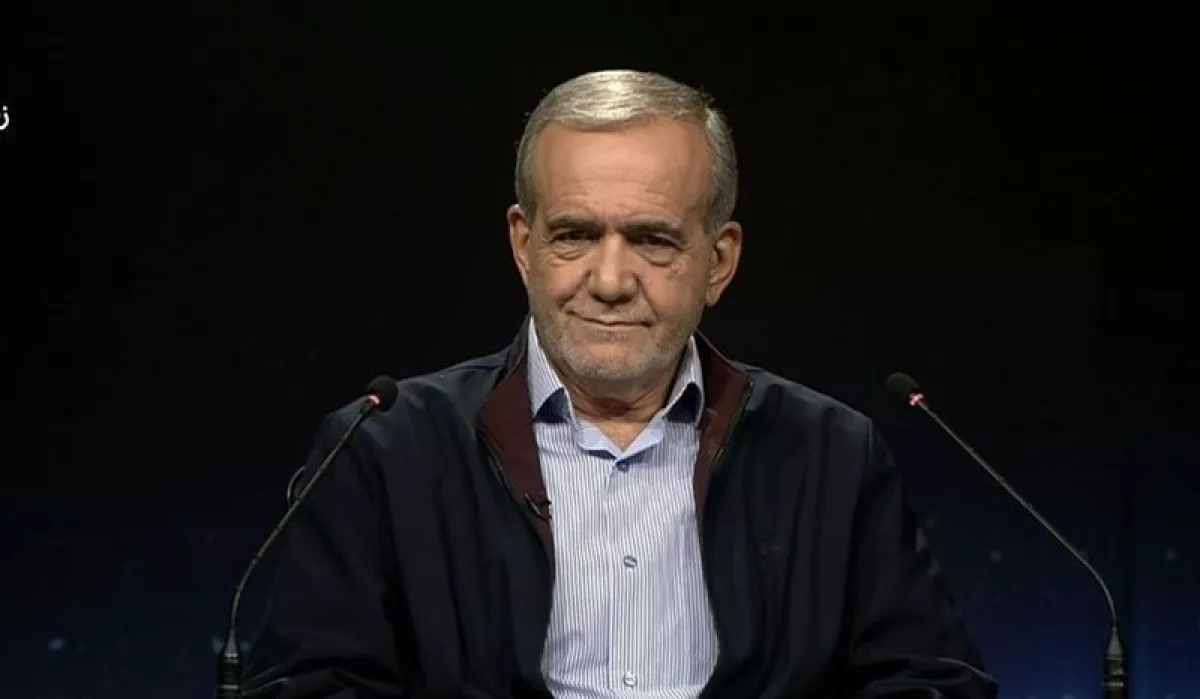
Another indicator that dialogue between Iran’s leadership and the United States has moved into a constructive channel—so far excluding attempts to orchestrate a “revolution” via street demonstrations—came from statements by the Iranian president at a meeting focused on international transport corridors and the development of the railway line in Tehran province. According to him, accelerating operational work on the North–South and East–West international transport corridors is of enormous importance for the Islamic Republic. He also noted that the Minister of Roads and Urban Development, Farzaneh Sadegh, is working on attracting domestic and foreign loans and directing these funds toward the construction of these international transport corridors, the development of railway infrastructure in Tehran province, and the completion of ongoing railway projects.
The president of Iran also emphasised that the government, in power since August 2024, is working to remove a number of taboos and restrictions in the construction sector. According to him, a key task is to eliminate existing obstacles to simplify and accelerate the implementation of infrastructure projects. This clearly includes the Rasht–Astara railway project, whose progress had effectively been sabotaged until recently, despite serving the interests of Iran, Russia, and Azerbaijan.
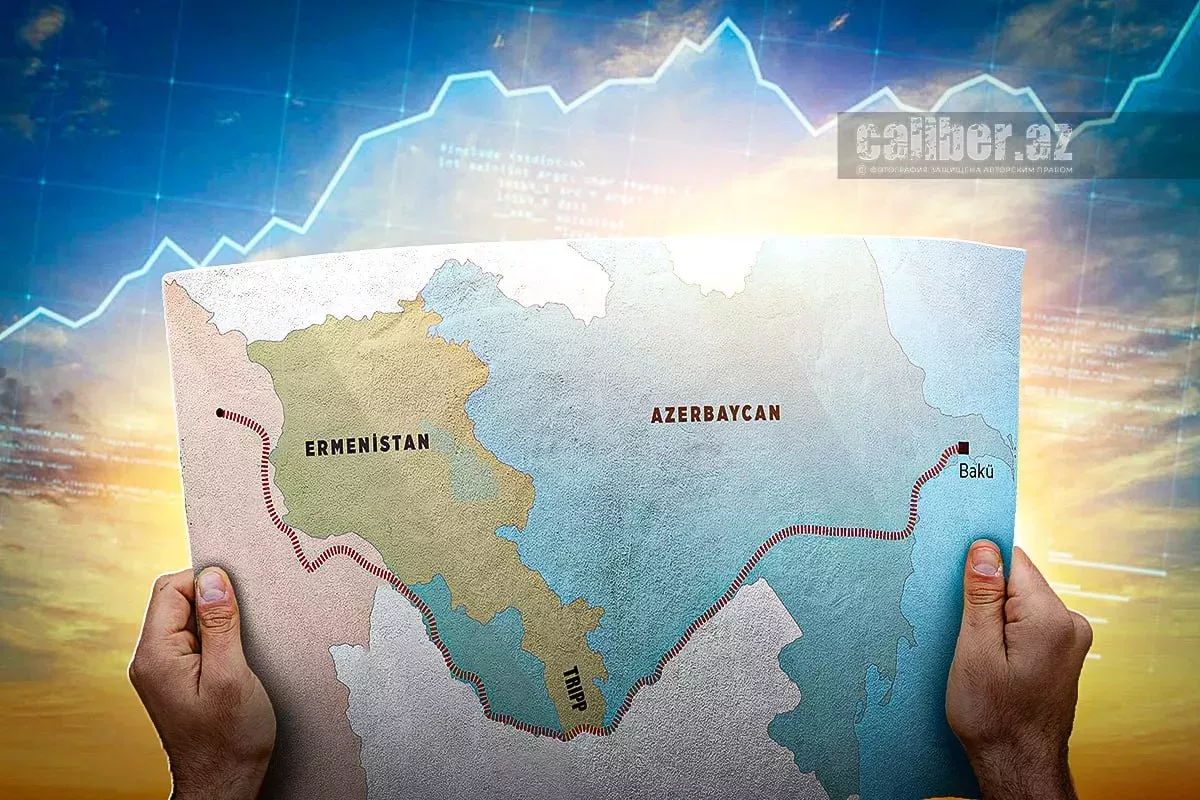
The fact that Pezeshkian specifically highlighted the East–West corridor is a significant point. One of the corridor’s most important routes is intended to be the “Trump Route.” Considering that not long ago Iran strongly opposed the opening of the Zangezur Corridor—and even more so opposed any unblocking of communications with the help of the United States—Tehran’s shift in position is unmistakable.
The authorities of the Islamic Republic are signalling their willingness to cooperate with the United States on transit corridors and to take American interests in the region into account. Joint work on strategically important communications is the best guarantee against the use of military methods to resolve geopolitical conflicts.
By Vladimir Tskhvediani, Georgia, exclusively for Caliber.Az







 editor@caliber.az
 +994 55 444-88-98
 Азербайджан, Баку, ул. Низами, 203, Af Business House, 5-й этаж