










Russia–Ukraine war and UN’s inability to act Expert opinions on Caliber.Az
The United Nations Security Council (UNSC) is set to hold an emergency meeting on Ukraine, according to the organisation’s updated schedule. The session, requested by Ukraine, follows a Russian Armed Forces strike on January 9 in the Lviv region using the “Oreshnik” missile system.
The initiative for the meeting was put forward by Ukraine’s UN ambassador, Andriy Melnykov. He accused Russia of unprecedented attacks on civilians, despite Moscow’s claims that Russian forces do not target residential buildings or social infrastructure. Support for the meeting came from Latvia, Liberia, Denmark, France, Greece, and the United Kingdom. The session is scheduled for 3:00 p.m. (00:00 Baku time) on January 12.
What could be the outcome? Will this meeting change anything on the front line? Could it force Moscow to stop carrying out deadly strikes on Ukraine’s civilian population?
Caliber.Az asked well-known foreign experts to answer these questions.
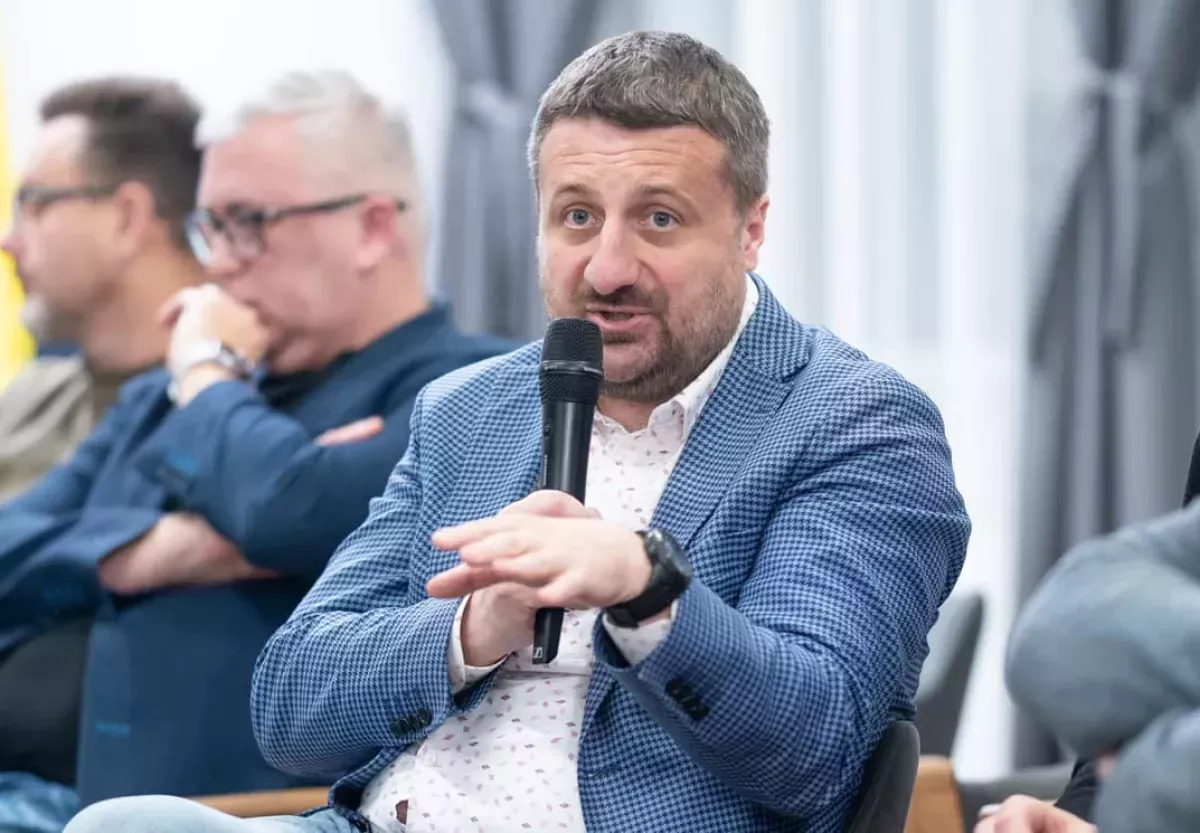
Ukrainian analyst and political strategist Taras Zahorodniy expressed confidence that, of course, this will not make Moscow stop the strikes, because as long as Putin remains in power, he will continue the war.
“They have long ignored any UN demands and, in general, any elements of common sense on the front line. So this meeting will change nothing. From the UN’s side, of course, it is an attempt to draw attention to what is actually happening in Ukraine and the kind of weapons being used, like the ‘Oreshnik.’ And remember, this is an intercontinental missile,” Zahorodniy said.
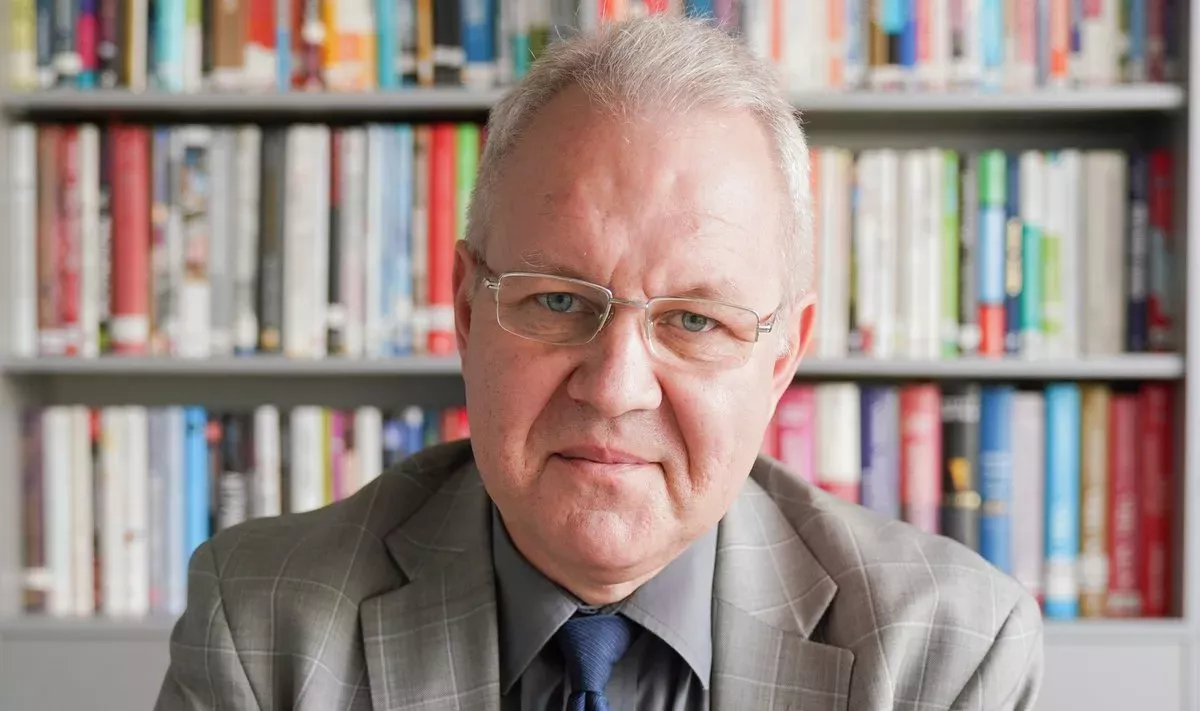
Russian political scientist and sociologist Vladislav Inozemtsev, Doctor of Economics, co-founder and lead expert at the European Centre for Analysis and Strategies (Nicosia, Cyprus), believes that this meeting—and the UN process as a whole—cannot lead to any real outcome.
“Russia and China have every opportunity to block any decisions that might be made there. I think, of course, that Moscow is currently bluffing in an attempt to negotiate additional conditions for itself. The Kremlin is seriously concerned about what is happening and about the Americans’ position on Venezuela and Iran.
I think that by the end of January, depending again on events in Iran and on the overall position Trump will take regarding a Ukrainian settlement—and considering that Dmitriev recently met in Paris with Witkoff and Kushner—the dialogue will continue. And probably in a few weeks we will see the final positions of the parties: either the Americans will adopt a tougher stance and Putin will make some concessions, or the war will continue,” the expert said.
He believes that some reflection is taking place in Moscow, and that supporters of a ceasefire are probably strengthening their position as a result of the Americans’ tough stance.
“But no one can say what Putin’s intentions are. No one can say which emotions are prevailing for him right now, so it is very difficult to make predictions. As for the processes at the UN, I will say again, it’s all absolute nonsense. No decisions will be made there,” Inozemtsev believes.
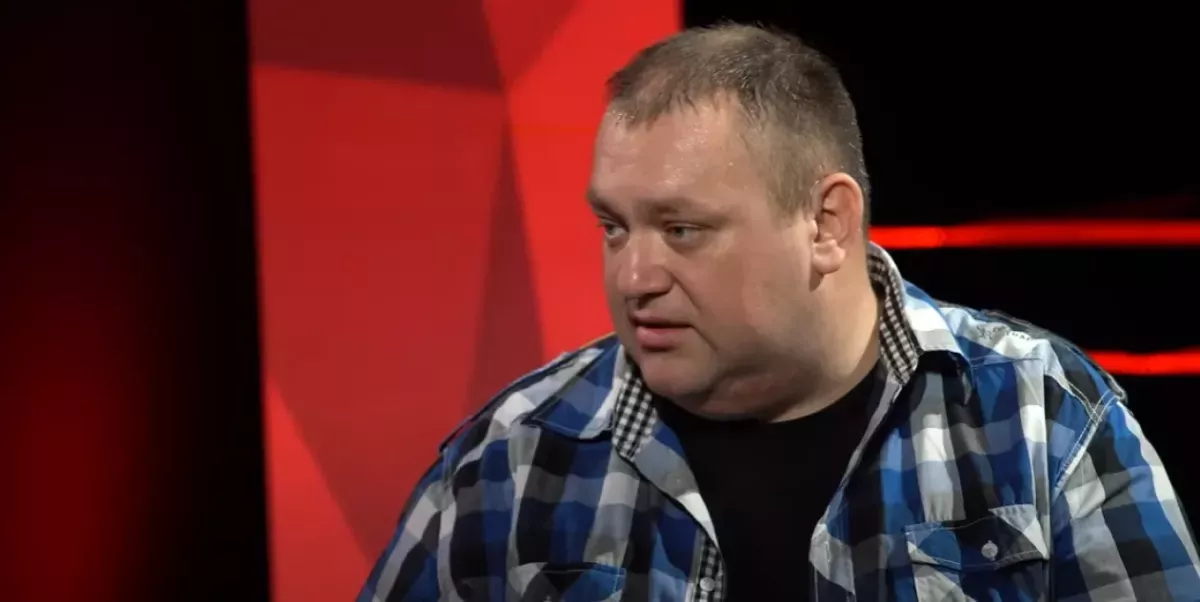
Ukrainian analyst and Political Science PhD Oleksii Buriachenko, Executive Director of the Association of Local Governments “International Association of Small Communities,” noted that this marks the second time Russia has used the “Oreshnik” ballistic missile on Ukrainian territory.
“The first time Russia used this weapon was on November 21, 2024, in the Dnipropetrovsk region. Both in 2024 and now, these strikes took place against the backdrop of important decisions regarding the Russia–Ukraine war. In 2024, the issue was the approval of long-range weapons transfers to Ukraine by its allies and the decision of the Joseph Biden administration to provide Ukraine with Tomahawk missiles.
Now, this has occurred against the backdrop of a meeting of the ‘Coalition of the Willing’ and representatives of Ukraine and the United States, followed by the signing of the Paris Declaration of Intent regarding the deployment of multinational forces in Ukraine after a ceasefire. In addition, as stated by U.S. President Donald Trump’s representative, Steve Whitcoff, at a briefing in Paris, ‘the work on the security protocol for Ukraine has been completed.’ Therefore, we can conclude that, as in 2024 and now, Russia’s actions demonstrate its complete unwillingness to end the war against Ukraine, escalating the situation to the border of the EU and NATO,” the political scientist emphasised.
Regarding the UNSC meeting on January 12 and what to expect from it, he noted that Ukraine was immediately supported by several Security Council members—including the United Kingdom, France, Greece, Denmark, Latvia, and Liberia.
“As Foreign Minister Andrii Sybiha stated, Ukraine would like the UNSC to do more than just issue another condemnation of Russian war crimes. It should take concrete steps to end the war and compel Russia to achieve a just and lasting peace based on the principles of the UN Charter. I would like to point out that the UNSC, as the main UN institution, was originally entrusted with the mandate to resolve and prevent conflicts when it was established after World War II in 1945.
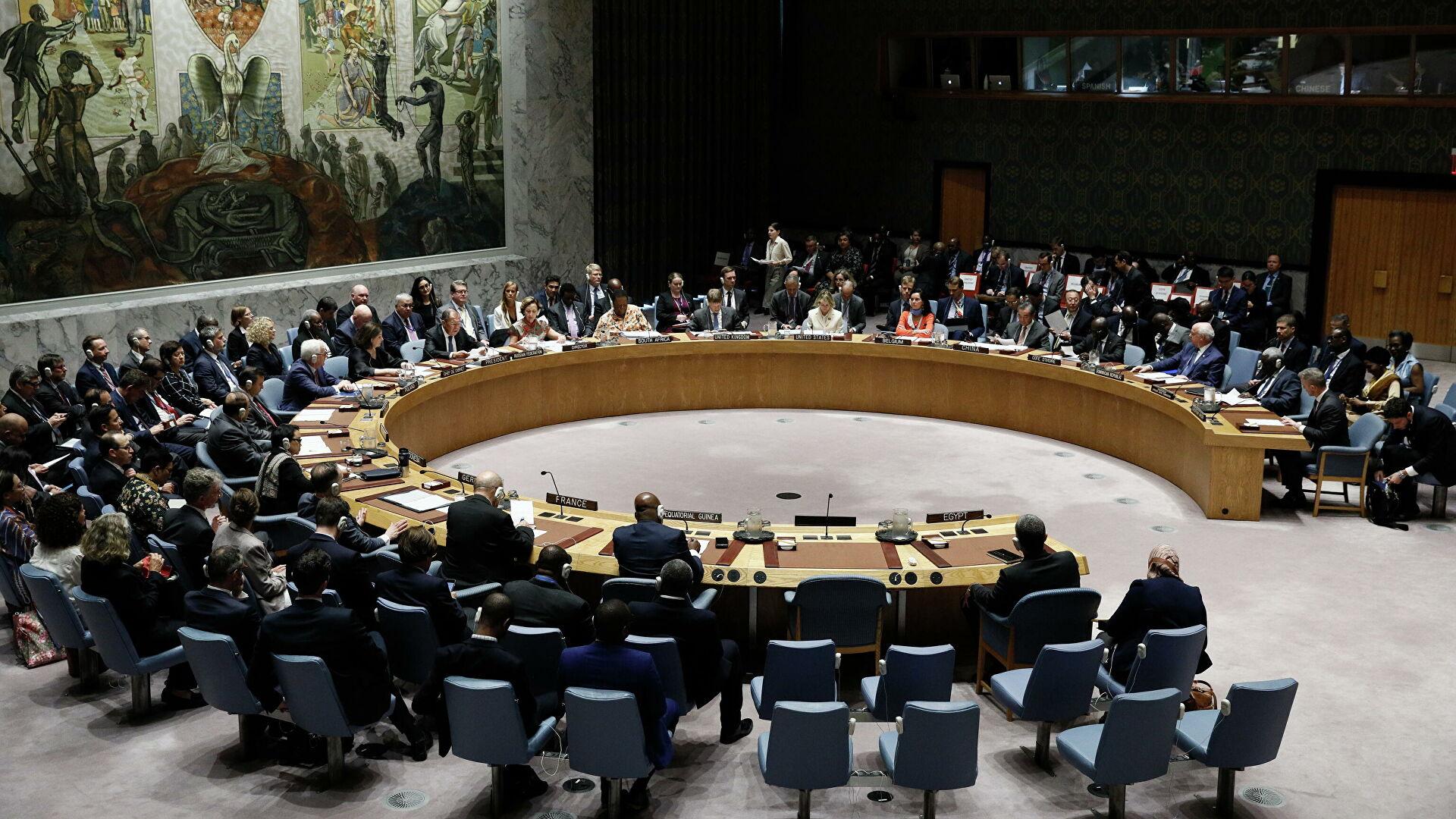
I would also like to note that during Russia’s war against Ukraine since 2014, the UN General Assembly has adopted several resolutions condemning Moscow’s actions, none of which have affected its behaviour. It is also worth remembering that during the full-scale invasion on February 24, 2022, the UN Security Council could not pass any resolution regarding Russia’s actions. After all, Russia is a permanent member of the Security Council with veto power, which allows it to block any decision—and it has used this power freely.
Therefore, given the current geopolitical complexity, as French President Emmanuel Macron noted in his annual address to more than 150 French ambassadors in Paris, the modern world has become ‘unmanageable,’ ‘the old international rules have retreated, and cooperation between countries has weakened. In their place, great powers are attempting to divide the world among themselves.
A global institution like the UN, and its main body—the Security Council—cannot fulfil its mandate of maintaining peace and security. Traditionally, the UN has been regarded as the sole universal organisation of the international community, the supreme bearer and guardian of modern international law, enjoying the highest moral authority. But today, the UN’s authority is not just in question; among global actors, the view is growing that the UN in its current form has exhausted its effectiveness.
Therefore, expecting any effective decisions from the UNSC meeting on January 12 would be very optimistic. Nevertheless, it is essential to record Russia’s aggressive, genocidal actions at such a global platform. This brings the issue to the international level and allows for the development of a legal framework for the proper resolution of the Russia–Ukraine war and the provision of appropriate security guarantees,” Buriachenko said.







 editor@caliber.az
 +994 55 444-88-98
 Азербайджан, Баку, ул. Низами, 203, Af Business House, 5-й этаж