










Turkic bloc in the “Board of Peace”: goals and prospects Expert opinions on Caliber.Az
Initiated by the U.S. President, the “Board of Peace” is widely expected by analysts to become a major arbiter in shaping the future of global geopolitics.
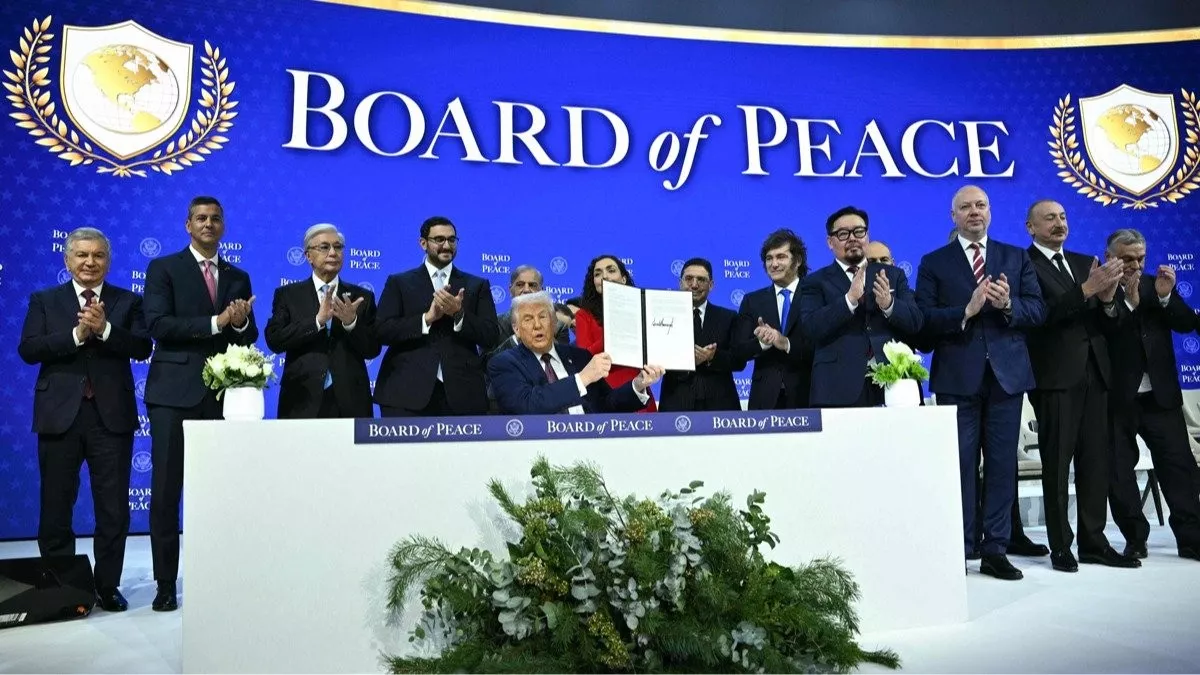
Although Donald Trump highlighted at the founding ceremony that the "Board of Peace" intends to cooperate with the United Nations, it is evident that the Board aims to tackle major global security challenges independently of the UN. Notably, several Turkic countries—Türkiye, Azerbaijan, Uzbekistan, and Kazakhstan—were among the signatories of the Board’s charter.
Does this signal a rising influence of Turkic states in global geopolitics? And what shared agenda might they pursue within this new international forum? Experts from Kazakhstan and Uzbekistan provide their insights for Caliber.az.
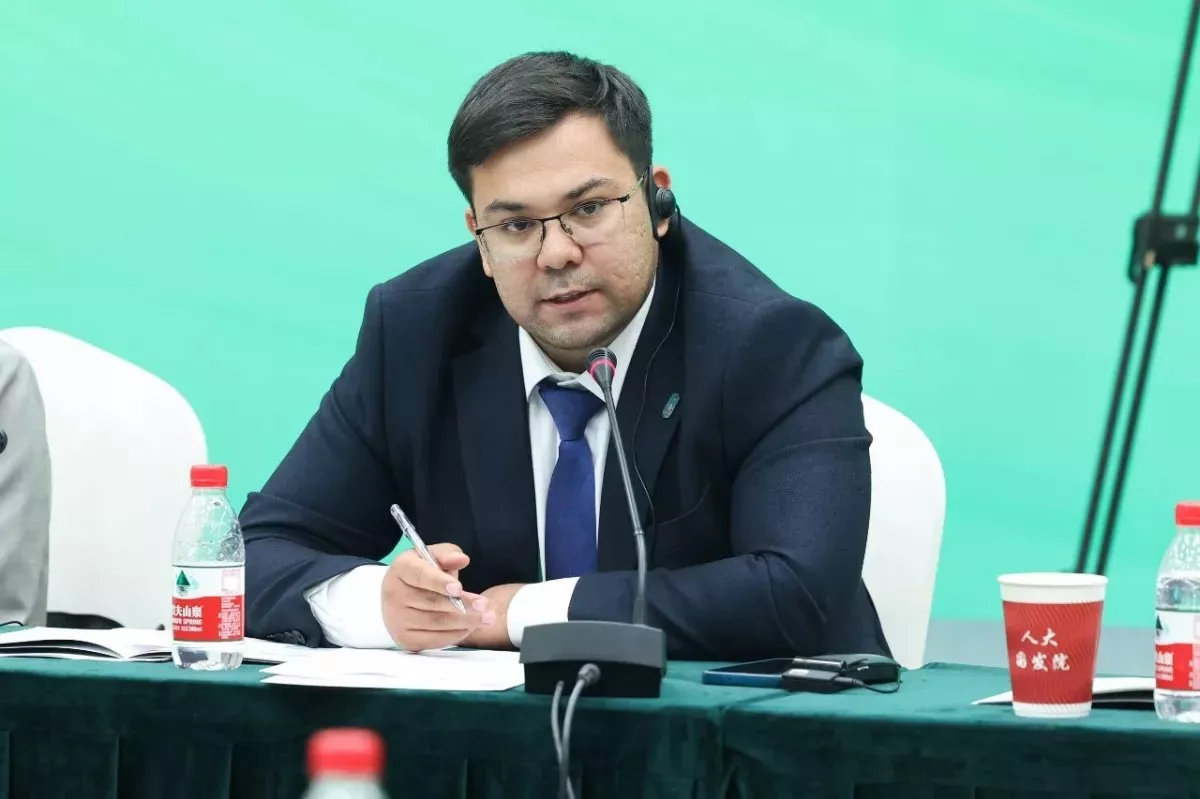
Uzbek political scientist and Master of Political Science, Bunyod Tillakhujaev, who serves as the chief specialist in the Department for Monitoring Reforms in Foreign Policy and Security at the “Development Strategy” Centre, emphasised that the prominent presence of Turkic countries in the "Board of Peace" is a highly significant development.
“First, it is important to note that the Turkic states mentioned joined the 'Board of Peace' as founding members, marking an institutional shift—from merely participating in international processes to actively shaping them. Their inclusion also reflects a broader trend of closer coordination among Turkic countries, which is particularly significant amid the ongoing reconfiguration of the global order. This platform allows them to align positions based on shared cultural ties, common pragmatic interests, and complementary regional strengths,” he said.
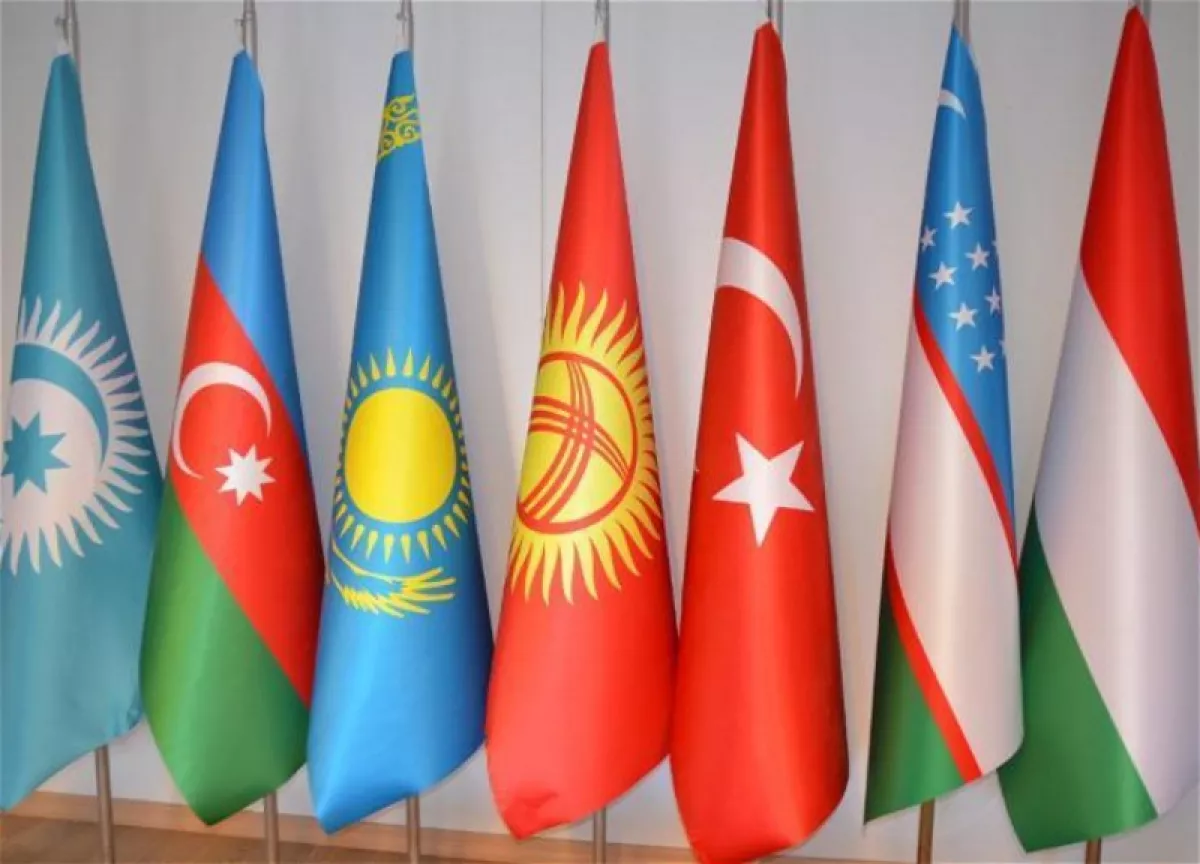
The expert added that the Turkic bloc within the "Board of Peace" could emerge as a powerful coalition of aligned interests, especially in areas such as transport, economy, regional stability, and humanitarian dialogue.
“For Uzbekistan, joining the Board represents an investment in its political capital for the future. It offers a chance to institutionally strengthen its foreign policy, which is grounded in peace and preventive diplomacy. As a founding member, Tashkent also gains an additional platform to promote both national and regional interests. Over the past few years, Uzbekistan has built a reputation as a reliable, multi-vector partner providing practical solutions in global affairs, and its role in the ‘Board of Peace’ reflects international recognition of the country’s ongoing reforms and its proactive foreign policy,” said Tillakhujaev.

Kazakh political scientist and economist Ruslan Salikhov suggested that, in the future, global analysts may look back on the Turkic states’ decision to join this major international structure as a historic move.
“While each country naturally pursues its own interests in this initiative by the U.S. president, what stands out is that the once highly fragmented Turkic states are increasingly shaping a shared political agenda. This process is gradually transforming them into a unified centre of influence with significant potential for growth and impact. The strengthening role of the Organisation of Turkic States as the primary coordinating platform and forum for the Turkic world further reinforces this trend.
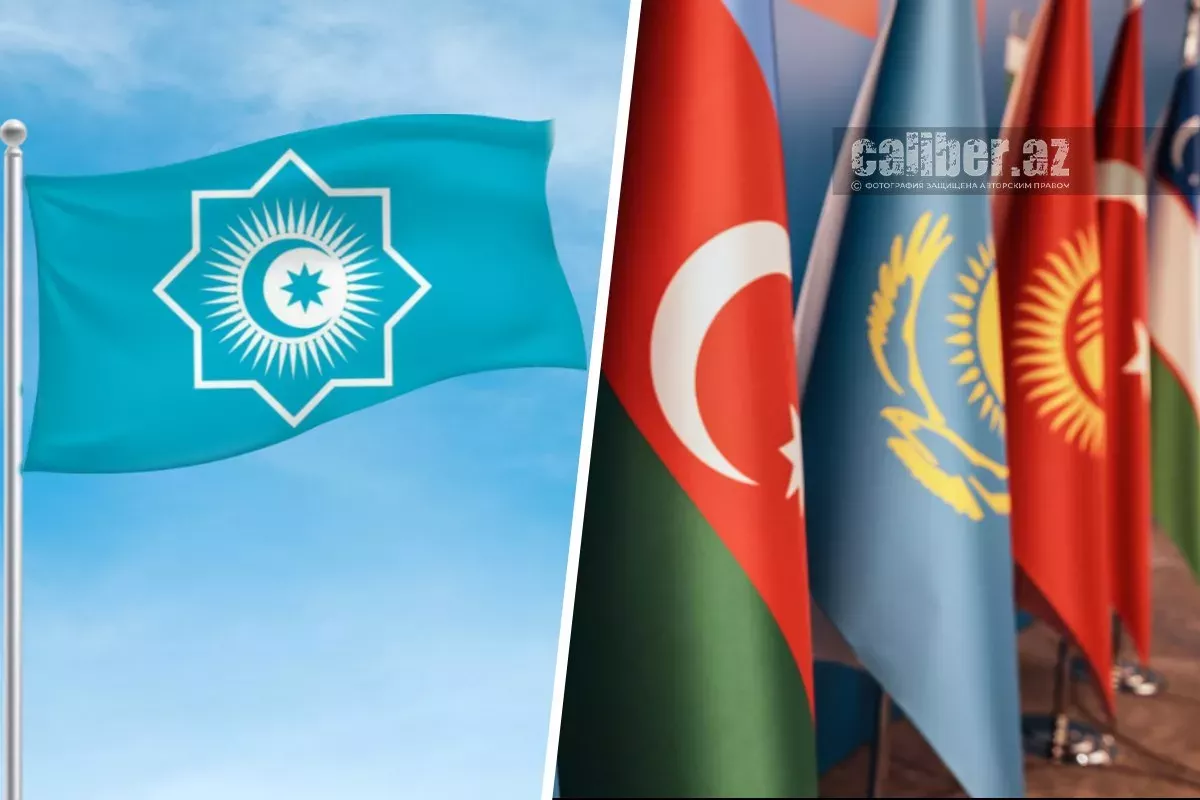
On the other hand, the Middle Corridor has emerged as a key unifying factor for shaping a cohesive political and economic agenda among the Turkic states. The development of this vital multimodal transport route will undoubtedly become a priority for them within the new organisation, as it is already clear that the ‘Board of Peace’ will go beyond political decision-making and will likely include an economic leaders’ club. Given Donald Trump’s business ambitions, there is little doubt about this.
Meanwhile, the Turkic states now have a platform to advance their interests on the global political stage, even though it remains unclear exactly how the ‘Board of Peace’ will handle global security and political issues. While the U.S., as the world’s leading power, will define the Board’s overall direction, it is evident that Washington will now have to consider the positions of the Turkic states when voting and shaping collective decisions,” Salikhov concluded.







 editor@caliber.az
 +994 55 444-88-98
 Азербайджан, Баку, ул. Низами, 203, Af Business House, 5-й этаж