










“Türkiye is far too strong and complex an opponent for Iran” Expert opinions on Caliber.Az
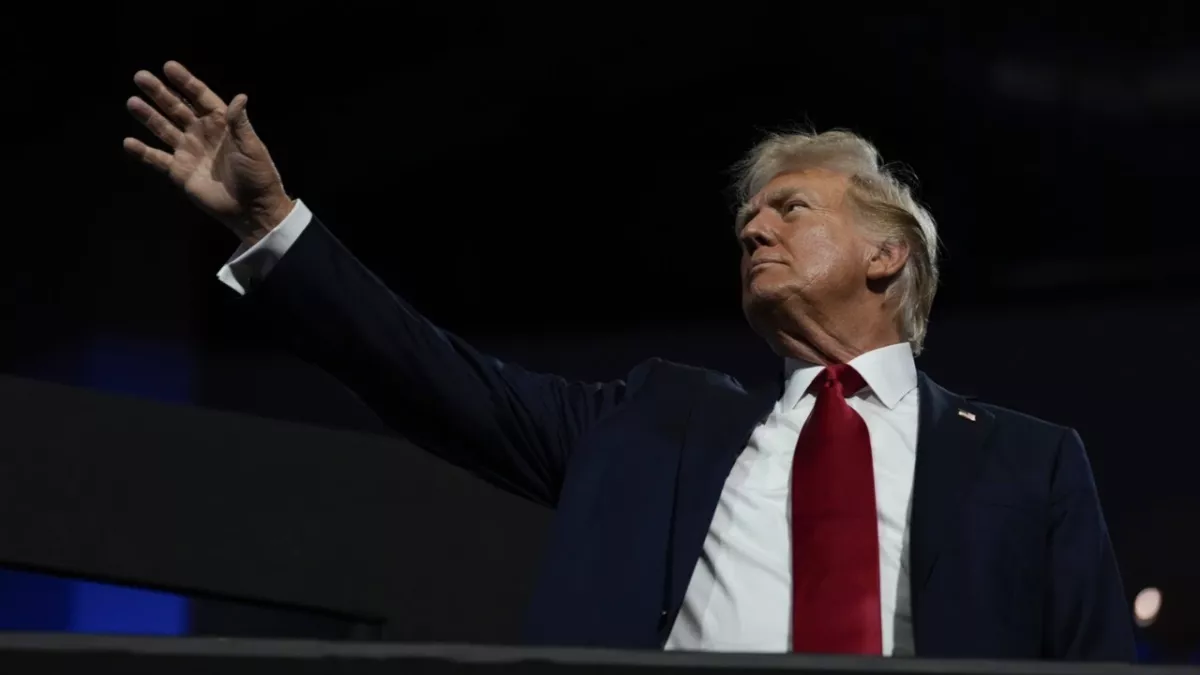
The reaction of the international community to the actions of the Iranian authorities against protesters can be described as very sharp and tough. On January 13, U.S. President Donald Trump urged Iranians to continue their protests and assured them that assistance was already on its way.
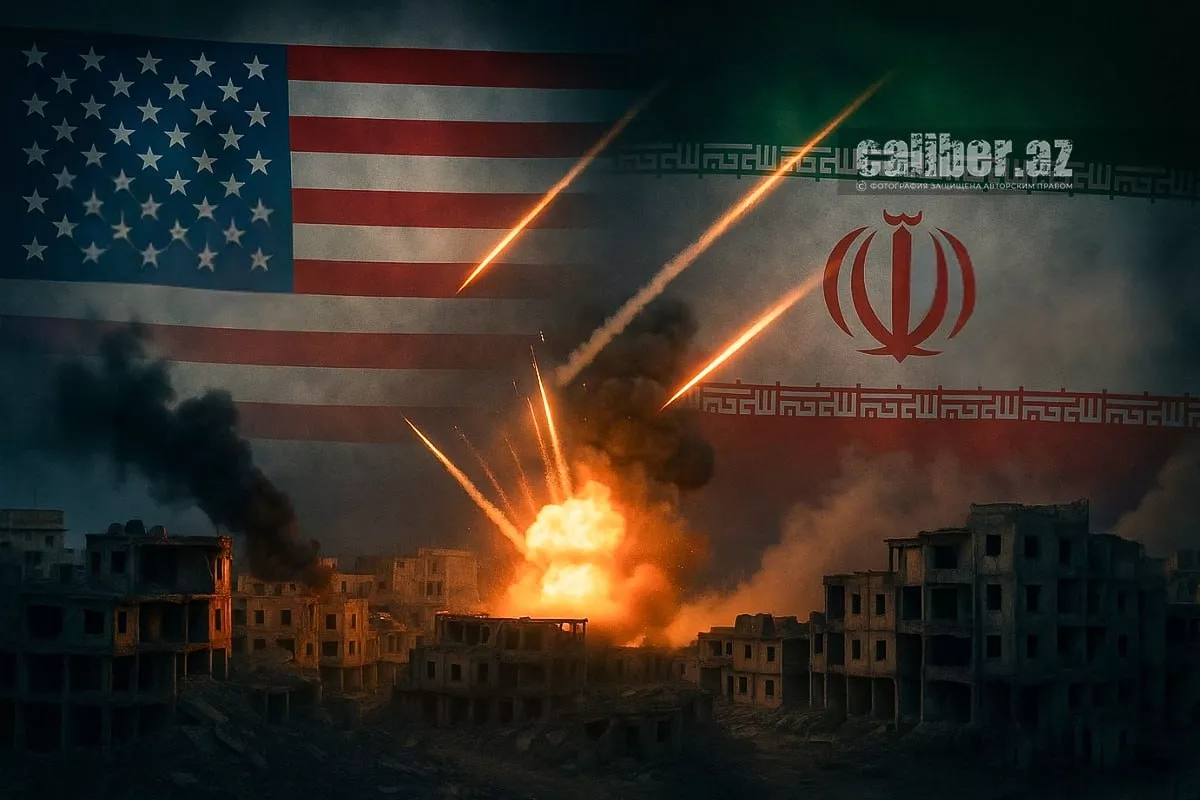
Against this backdrop, Tehran has declared its readiness to strike U.S. military bases across the Middle East, a claim reported by Reuters, citing a senior Iranian official.
“Tehran has told regional countries, from Saudi Arabia and UAE to Turkey, that U.S. bases in those countries will be attacked,” the official stated. He added that the Iranian authorities had urged the governments of these countries to take steps to prevent any potential U.S. military action.
How, then, are Tehran’s statements—more akin to threats or direct pressure—perceived in U.S.-allied countries in the Middle East, such as Türkiye? Could the Islamic Republic of Iran strike a U.S. military base on Turkish territory? Turkish experts and political analysts address these questions in comments to Caliber.Az.

According to Göktüğ Çalışkan, an expert in international relations at the Ankara-based Center for Crisis and Policy Studies (ANKASAM), Ankara has for now adopted a posture of “strategic restraint.”
“Türkiye interprets this statement primarily as a deterrent signal directed at the U.S. administration rather than as an immediate operational threat to Turkish territory. Ankara has long drawn a ‘red line’ stipulating that bases such as Incirlik must not be used for offensive operations against neighbouring states. Consequently, instead of escalating tensions through public counterstatements, Turkish diplomacy has opted to engage informal channels to reassure Tehran that the territory of the Turkish Republic will not serve as a staging ground for any attacks, while at the same time cautioning Washington about the broader regional risks. In essence, Ankara is managing the crisis through diplomatic assurances rather than overt public confrontation,” Çalışkan noted.

Meanwhile, according to Turkish expert Kerim Has, the key uncertainty in this situation lies in the actions of the United States itself.
“We do not know how extensive a potential U.S. operation against Iran might be—whether it would involve a limited airstrike, a covert operation, or something far more serious. It also remains unclear which U.S. assets could be involved, whether regional bases, aircraft carriers, or facilities located outside the Middle East,” he said.
The expert emphasised that a second crucial aspect concerns Iran’s own behaviour in crises: “In the past, Tehran has carried out strikes on U.S. military bases, notably in Qatar and Iraq, but these attacks were largely demonstrative in nature—that is, pre-coordinated symbolic strikes that caused no real damage to the United States. Tehran clearly understands the limits of what is permissible and recognises that inflicting serious damage on American military facilities would provoke a far harsher U.S. response. As a result, the Islamic Republic operates according to a dual logic: on the one hand, it seeks to ‘save face’ and demonstrate strength to its domestic audience; on the other, it deliberately avoids genuine escalation. For example, following the killing of IRGC General Qassem Soleimani, Iran provided advance warning to the United States before striking a base in Iraq. No American personnel were injured, the base was not seriously damaged, and such actions form part of an unspoken mechanism of de-escalation.”
Kerim Has believes that the United States is also interested in allowing Iran a “dignified exit” from the crisis. “This is a kind of tacit arrangement—allowing the adversary to respond symbolically and then de-escalate tensions,” he explained.
Turning to Tehran’s statements about potential strikes on U.S. bases in Türkiye, the expert expressed confidence that such a scenario is virtually excluded.
“Türkiye is far too strong and complex an opponent for Iran to risk direct confrontation with a NATO member. An attack on the Turkish Republic would not only provoke a response from Ankara but could also draw in the North Atlantic Alliance, creating a highly destructive scenario for Tehran. Moreover, the Islamic Republic of Iran is heavily dependent on economic ties with Türkiye, especially in the context of sanctions, and from an economic standpoint, such a move would be extremely disadvantageous for Iran,” concluded Has.







 editor@caliber.az
 +994 55 444-88-98
 Азербайджан, Баку, ул. Низами, 203, Af Business House, 5-й этаж