










Cracking down on illegal migration Georgia puts its hospitality in order
In Georgia, law enforcement agencies have significantly stepped up efforts to combat illegal migration. According to information released by the Georgian Ministry of Internal Affairs (MIA) at the end of 2025, a total of 1,302 people were expelled from the country over the past year. By comparison, only 363 foreign nationals were deported from Georgia throughout 2024.
The sharp increase in deportations was largely driven by amendments to migration legislation that came into force in Georgia in early October 2025. These changes provide for higher fines and a simplified deportation procedure for foreigners who have overstayed their permitted period of stay in the country, as well as for those who have committed administrative or criminal offences.
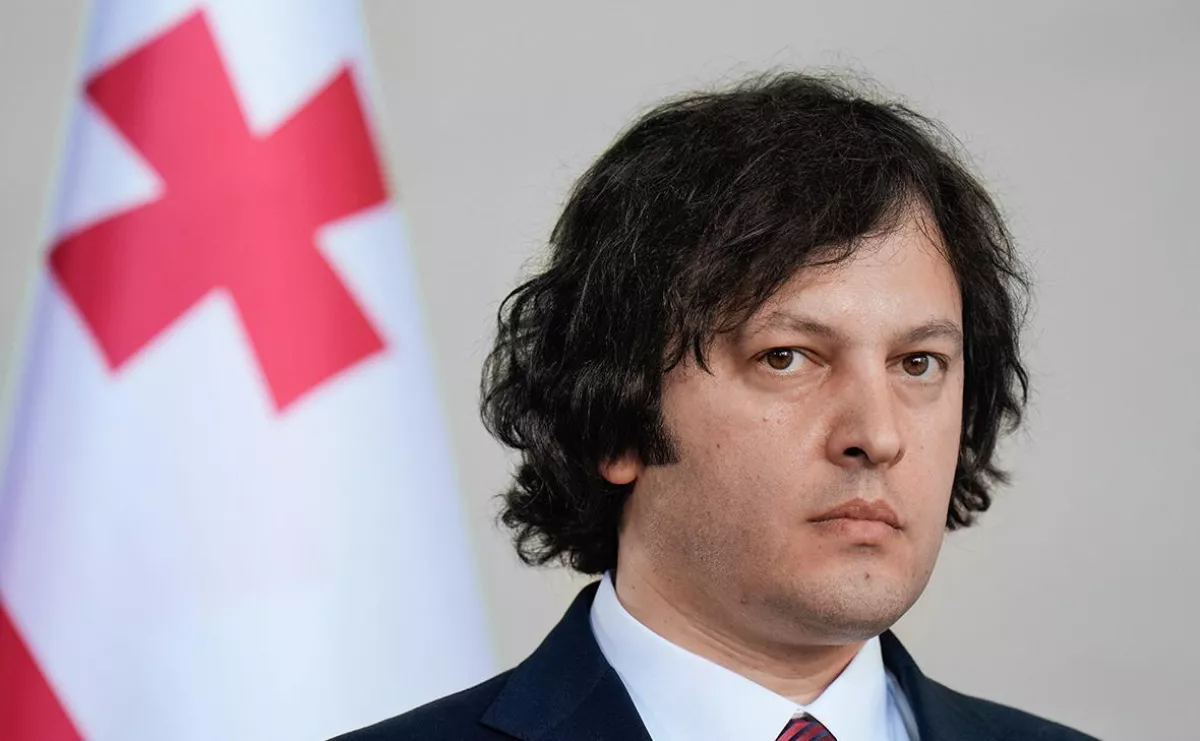
Georgia’s Prime Minister Irakli Kobakhidze has pledged a further intensification of the fight against illegal migration. He predicts that in 2026 the country will have to expel at least another 3,500 illegal migrants.
“According to the programme presented by the Ministry of Internal Affairs, within three to four years the problem of illegal migration will be completely eliminated. This is of great importance, including from a security perspective,” the Prime Minister stated.
In recent years, Georgian society itself has developed a strong demand for tougher measures against illegal migration. The right-conservative segment of society, which largely constitutes the electorate of the ruling Georgian Dream party, is particularly dissatisfied with the influx of migrants. By tightening migration legislation, Georgian Dream is effectively responding to the demands of its voters, who oppose mass migration by people who differ markedly from Georgia’s population in mental and cultural terms.
As for Georgia’s pro-Western opposition, it is not illegal migrants from Asia and Africa that provoke the greatest “demonstrative dissatisfaction,” but rather fully legal tourists and arrivals from Russia who are loyal to the current Russian authorities. At the same time, the Georgian opposition openly welcomes representatives of the Russian liberal opposition and those Russian citizens who profess “European” values and support “Maidan-style” protests. By contrast, cases involving the deportation of, or criminal prosecution for genuine offences (including drug trafficking), of this category of arrivals from Russia tend to trigger “outrage” within the opposition.
From time to time, Georgia is also entered by individuals from other countries who have problems with the law in their home states. The absence of effective measures by the Georgian authorities to combat illegal migration previously allowed such people to effectively evade responsibility by hiding in Georgia. It was largely to counter this kind of undesirable “guest” that, on the eve of the New Year, officers of the Migration Department of the Ministry of Internal Affairs carried out special migration control operations in Tbilisi and Batumi. As a result, 31 foreign nationals were detained, including citizens of Türkiye, Egypt, Azerbaijan, and Jordan.
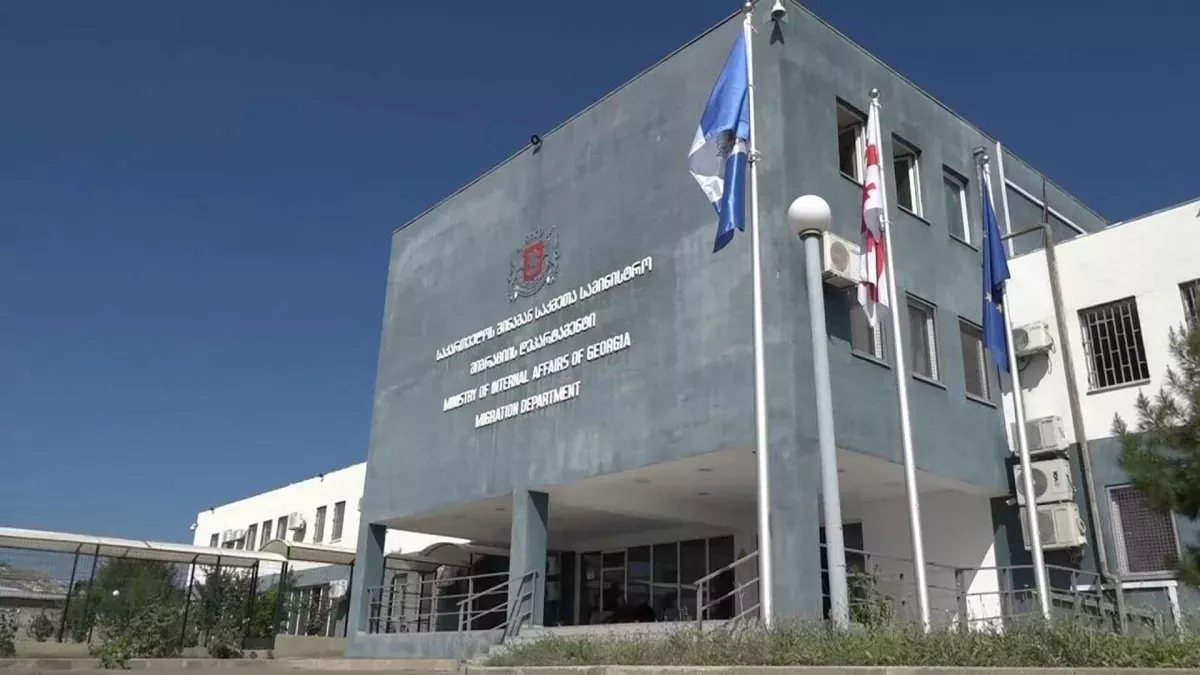
“In Batumi, during comprehensive migration control operations, 13 of the detained foreign nationals were wanted through Interpol’s Red Notice system, as well as by the law enforcement authorities of the Republic of Türkiye at the national level for committing particularly serious crimes, including murder, sexual assault of minors, and drug offences. Officers of the Migration Department escorted these individuals to the Sarp border checkpoint, where they were handed over to representatives of the law enforcement authorities of Türkiye for further legal proceedings. Currently, some of the detained individuals have been placed in the temporary accommodation centre of the Migration Department. Appropriate procedures are being carried out with the aim of expelling them from the country,” the Ministry of Internal Affairs reported.
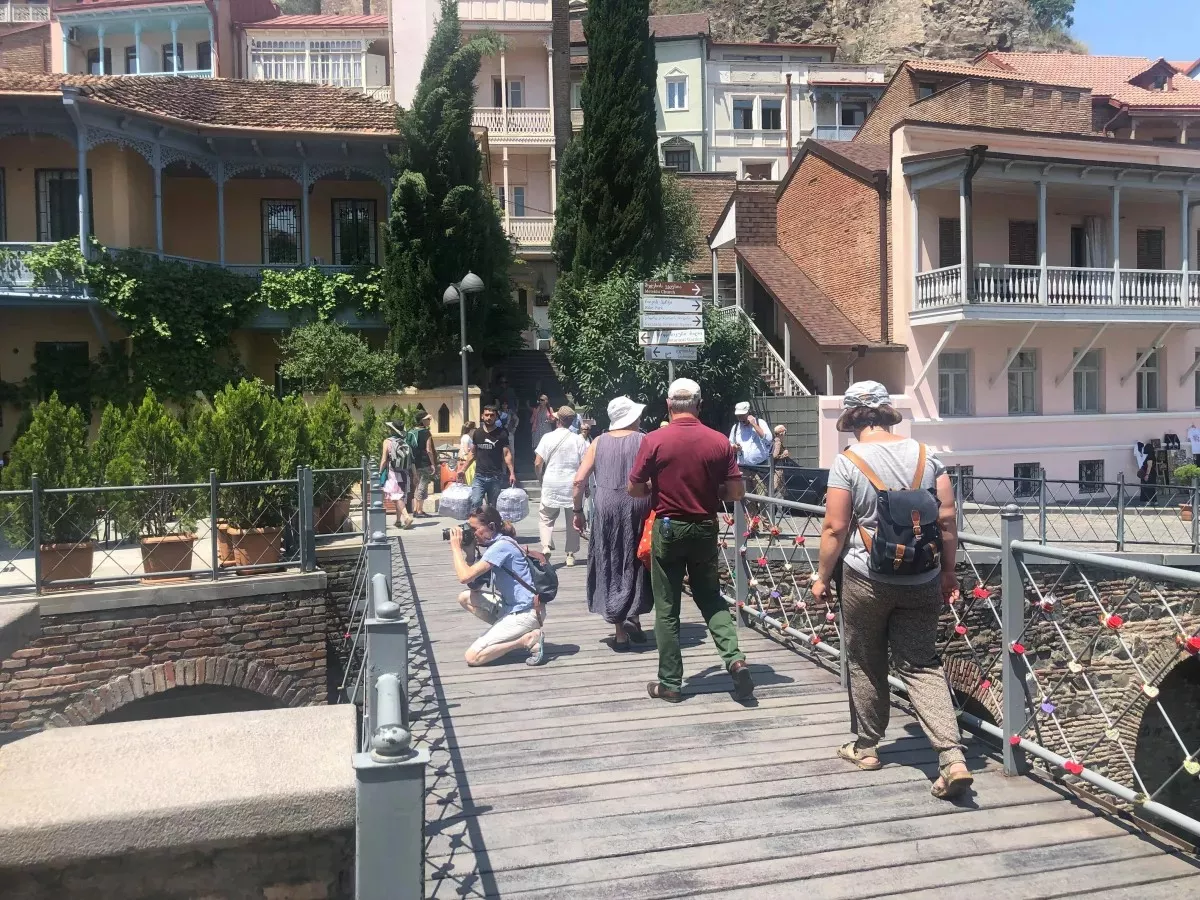
Against the backdrop of the intensified crackdown on illegal migration, Georgian authorities remain keen on boosting the country’s tourist inflow. Tourism growth has led to the number of visitors to Georgia far exceeding the size of its own population. In 2024, around 7.36 million travellers visited the country, 4.2% more than in 2023. Preliminary estimates suggest that in 2025, the number of foreign visitors to Georgia exceeded 7.5 million—almost double the country’s population of 3.9 million.
Tourism is further facilitated by the fact that citizens of many countries do not require a visa to visit Georgia, and the conditions of stay are relatively liberal compared to, for example, EU countries. A foreigner entering under the visa-free regime only needs to perform a so-called visa run once a year—crossing the Georgian border and re-entering—after which they can legally remain in the country for another year, a practice that many take advantage of.
The influx of travellers has created not only economic opportunities but also challenges—most notably, for a significant portion of the population, rising property prices and higher costs for consumer goods and food have become a painful issue.
Prime Minister Irakli Kobakhidze was compelled to address the latter problem, promising to tackle the high markups imposed by distributors and retail chains and calling on law enforcement agencies to investigate potential cartel collusion. However, according to some economists, it is largely the surge in tourism that has driven the significant price increases in both Georgia’s restaurant sector and its retail trade.
With the growth of tourism, additional pressure has also been placed on the healthcare system. The Georgian authorities intend to address this issue through mandatory health insurance for tourists. In December 2023, the country’s parliament passed a tourism law that was to come into effect on June 1, 2024, requiring incoming tourists to have health and accident insurance. However, authorities later decided that this measure required additional preparation, and the introduction of mandatory insurance for tourists was postponed to January 1, 2026.
Thus, from January 1 of this year, all foreign tourists are required to have medical insurance and accident coverage for the entire duration of their stay in Georgia. The insured amount must be at least 30,000 lari (around $11,000). Foreigners who entered the country before the law on mandatory tourist insurance took effect, as well as residents holding a residence permit, are exempt from this requirement. The law also does not apply to holders of diplomatic passports or drivers engaged in international passenger and cargo transport.
Although the introduction of mandatory insurance for tourists will entail additional expenses for visitors, it is unlikely to slow the growth of Georgia’s tourist flow. Previously, uninsured tourists faced significant medical costs in the event of unexpected illnesses or injuries. There were even cases where a tourist was unable to pay for urgent treatment or to return to their home country. In a situation where the number of visitors exceeds the country’s population, it is essential to regulate healthcare services not only for Georgian citizens, who are provided with minimal state insurance coverage, but also for incoming travellers.
By Vladimir Tskhvediani, Georgia, for Caliber.Az







 editor@caliber.az
 +994 55 444-88-98
 Азербайджан, Баку, ул. Низами, 203, Af Business House, 5-й этаж