










The solar plexus of the East Japan and Central Asia build Bridges to the future
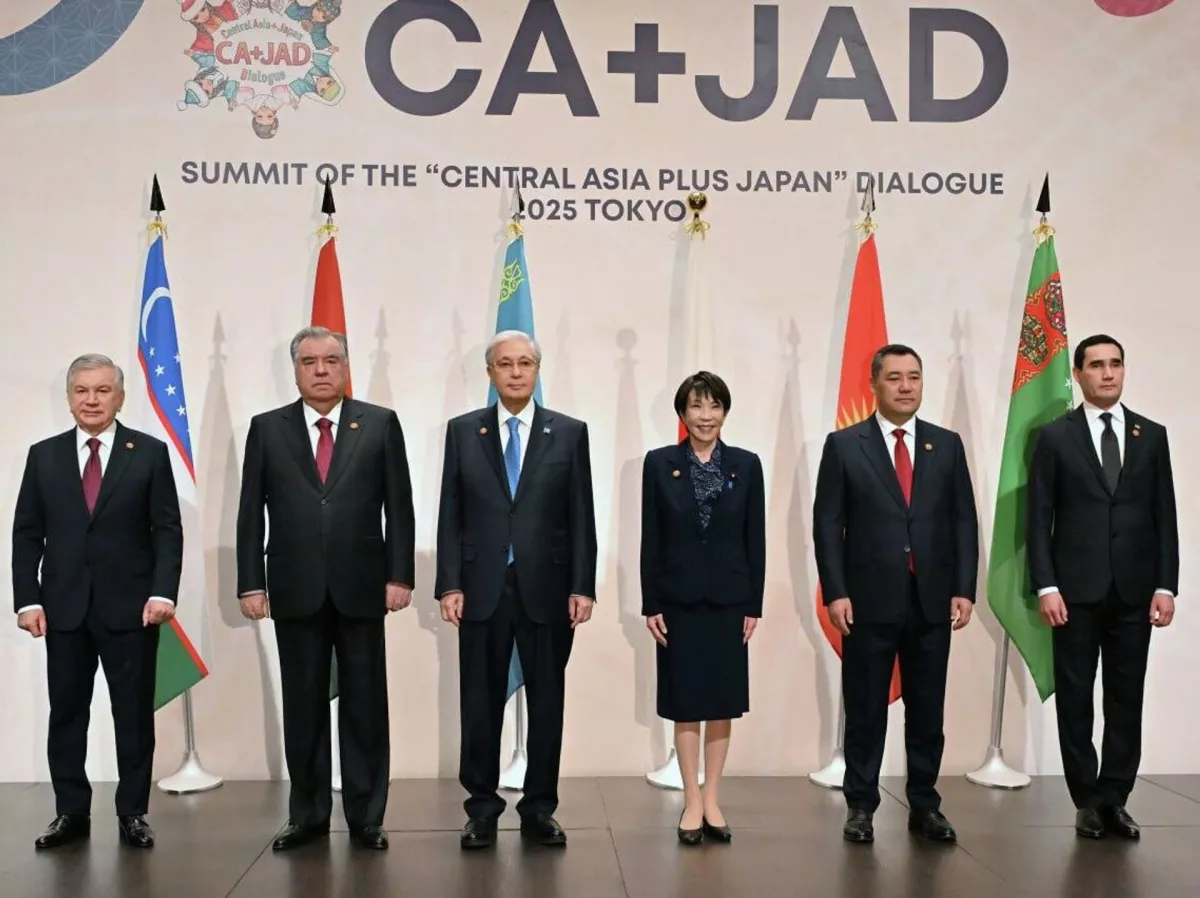
For the first time at the level of heads of state, the Central Asia–Japan Dialogue summit was held in Tokyo. Leaders from Kazakhstan, Uzbekistan, Kyrgyzstan, Tajikistan, and Turkmenistan met with Japanese Prime Minister Sanae Takaichi to identify directions for developing partnership in an era of global change. The outcome of the meeting shows that both sides are committed to active cooperation and tangible results. The initiatives presented and the work accomplished at the summit are truly impressive.
Prime Minister Takaichi described Central Asia as a region with growing geopolitical and economic potential, rich in energy resources and human capital. Japan unveiled the Tokyo CA+JAD Initiative (Central Asia plus Japan Advanced Dialogue), a five-year programme including projects worth around 3 trillion yen (€17.9 billion). Its priorities include environmental protection and “green” development, transport connectivity, and human capital development. Tokyo also announced the launch of a Japan–Central Asia partnership in the field of artificial intelligence.
Uzbekistan’s President Shavkat Mirziyoyev proposed the creation of an investment fund for Central Asia to finance infrastructure and industrial projects, and suggested establishing a regional network of Japanese technology parks for technology transfer. The President placed special emphasis on digital development, including the creation of a Central Asia–Japan Digital Hub, cooperation in artificial intelligence, cybersecurity, and the Internet of Things. He also highlighted the importance of Japanese participation in transport projects, including the construction of high-speed railways, airports, and digital corridors. In addition, President Mirziyoyev called for joint projects in renewable energy, including the establishment of a regional training centre for renewable energy in Tashkent.
Following bilateral talks between Mirziyoyev and Prime Minister Takaichi, a Joint Statement on Enhanced Strategic Partnership for Future Generations was signed. During the visit, a package of agreements was also adopted in the fields of education, healthcare, ecology, water resources, transport, tourism, and agriculture. Mirziyoyev noted that in preparation for the summit, a portfolio of cooperation projects worth over $12 billion had been assembled. To advance these projects, the creation of a joint investment platform was proposed.
Kazakhstan’s President Kassym-Jomart Tokayev emphasised the country’s interest in Japanese technologies in green energy, nuclear safety, and waste management, and proposed jointly developing the Trans-Caspian International Transport Route (the Middle Corridor). He also highlighted the importance of cooperation in water resources and sustainable agriculture, suggesting the creation of an international UN Water organisation and a research platform for sustainable agricultural development involving Japanese experts. Perhaps the most impressive outcome—not only of the Almaty–Tokyo talks but of the entire summit—was the signing of more than 60 bilateral agreements between Kazakhstan and Japan worth $3.7 billion.
Kyrgyzstan’s President Sadyr Japarov and Japanese Prime Minister Sanae Takaichi reaffirmed their commitment to further strengthening friendship and comprehensive partnership. They discussed the current regional situation and stressed the importance of close cooperation on international platforms. During President Japarov’s visit to Tokyo, nine new agreements were signed between the two countries.
During President Serdar Berdimuhamedov of Turkmenistan’s visit to Japan, the two sides signed a series of agreements aimed at developing industrial, energy, and digital cooperation. These included memorandums with companies such as Sumitomo, Mitsubishi, Kawasaki, Sony, and Mizuho Bank, covering transport, energy, chemistry, and artificial intelligence applications.
Tajikistan’s President Emomali Rahmon and Prime Minister Takaichi discussed deepening cooperation in the extraction and processing of critical minerals, as well as regional security and economic resilience. Overall, around 20 new agreements were signed during President Rahmon’s visit to Japan.
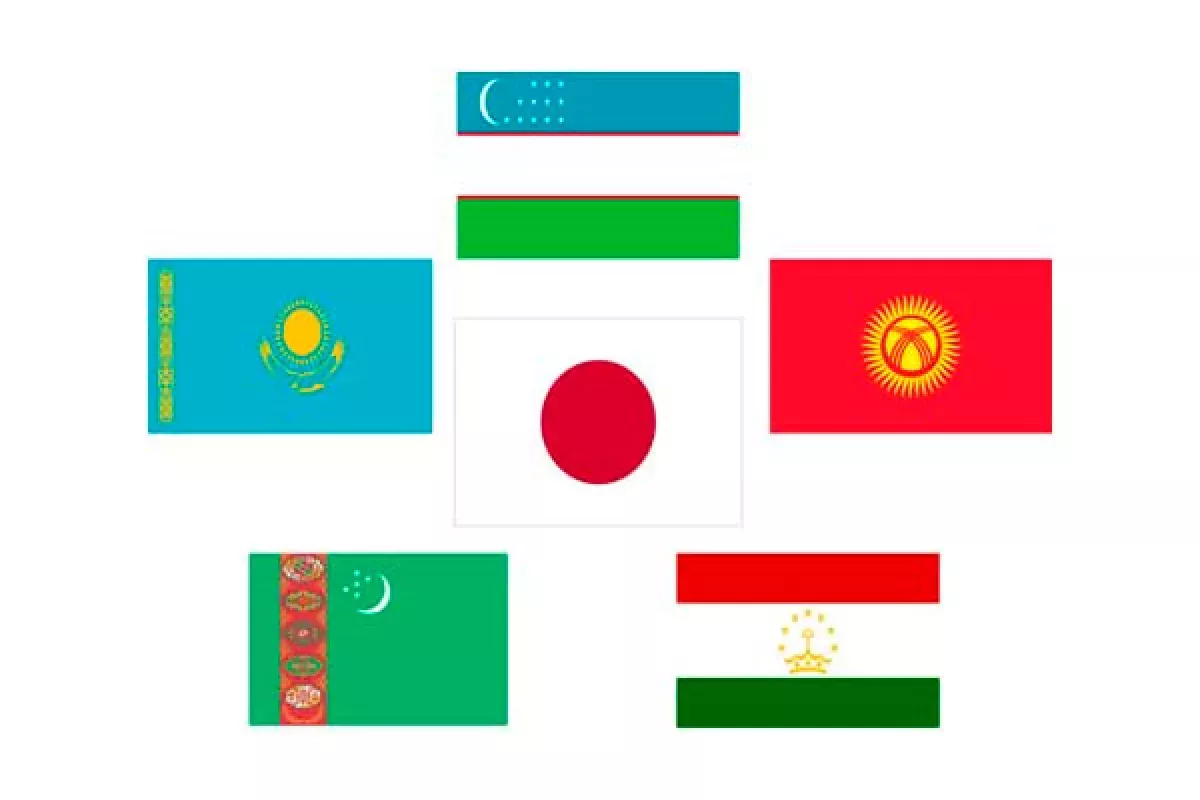
At the summit, the Tokyo Declaration was adopted, outlining common priorities for all countries in the region—sustainable development, transport, green energy, digitalisation, and education. In total, more than 150 documents were signed between Japanese and Central Asian governmental and private entities.
The Tokyo summit marked a turning point for the region. Central Asia and Japan are creating a new model of partnership—not only economic, but also technological, cultural, and humanitarian. Within this framework, each country in the region has a defined role, and the Central Asia–Japan Dialogue has become a platform where concrete solutions for the future are being shaped.
Notably, all the achievements mentioned above did not emerge overnight; they are the result of painstaking, years-long work. Japan and Central Asia are entering a new level of cooperation, building on a foundation of prior business, trade, and multi-level contacts.
In an era of profound shifts in the globalisation paradigm and increasing fragmentation of the world market system, cooperation between Central Asian countries and Japan is creating a flexible model that transcends national borders and invests in human capital.
It is also important to note that the Central Asian “five” operate in this 5+1 format alongside other major centres of power and economic giants, including China, the United States, and the European Union. As for Russia, each Central Asian country maintains long-standing economic ties. This shows that these states pursue an effective foreign economic policy based on diversification of international partnerships. The region attracts investment from multiple sources, thereby creating a balanced system of interests that significantly reduces the risk of over-dependence on any single centre of influence. At the same time, the coordinated work of the Central Asian states produces a synergistic effect that benefits each country individually. This, arguably, is the main geopolitical advantage of this format.







 editor@caliber.az
 +994 55 444-88-98
 Азербайджан, Баку, ул. Низами, 203, Af Business House, 5-й этаж