










"Trump sees Aliyev, Orbán, and Erdoğan as partners who keep their word" Hungarian analyst on Caliber.Az
In an exclusive interview with Caliber.Az, Hungarian analyst and post-Soviet expert Anton Bendarzsevskij sheds light on the strategic thinking behind the new U.S. National Security Strategy under Donald Trump. Bendarzsevskij explores why leaders like Viktor Orbán, Ilham Aliyev, and Recep Tayyip Erdoğan are viewed as reliable partners by Washington, how Hungary’s long-standing positions on migration, economic policy, and EU centralisation align with Trump’s vision, and what this means for Europe and the South Caucasus in a shifting geopolitical landscape.
— The leadership of the United States has a clear understanding of Europe’s ‘civilizational decline,’” said Hungarian Prime Minister Viktor Orbán, who specifically highlighted that he considers the new U.S. National Security Strategy “the most important and most interesting document of recent years.” He also noted that “they see the civilizational-scale decline that we in Hungary have been fighting against for fifteen years. At last, we are not fighting against it alone.” What underlies Orbán’s support for Trump’s strategy? What has Hungary been struggling against for the past 15 years, and will other European countries understand Trump’s message?
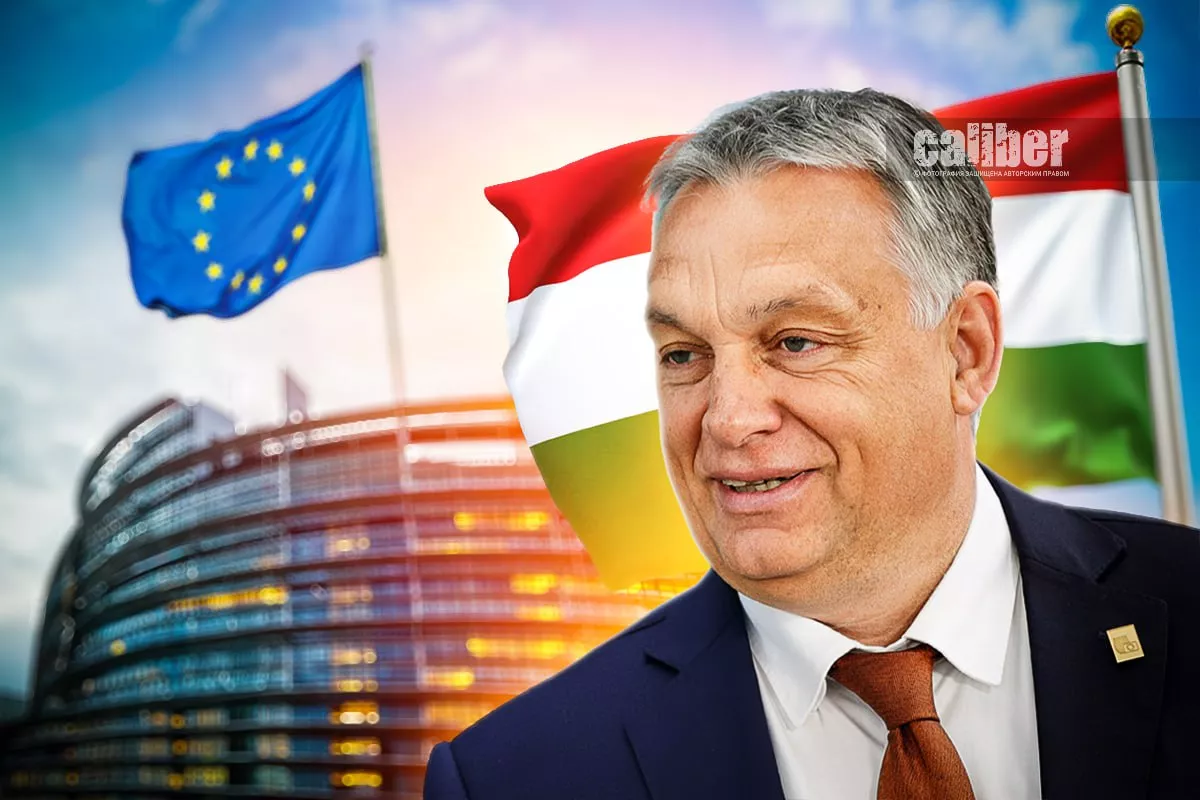
— The problems Hungary has been talking about for more than ten years, and which America has now begun to address, can be conditionally divided into three categories: civilizational, economic, and political.
The civilizational problem primarily concerns migration. In this regard, Hungary has been moving against the general course of the EU since 2015. As is well known, that was the peak of the migration crisis. The response from Germany and several other Western European countries was the thesis that the migration wave should be welcomed: firstly, for humanitarian reasons, and secondly, because, as was argued, migration could help address Europe’s demographic problems—population ageing and declining birth rates.
Hungary opposed this strategy from the very beginning. We did not agree that Europe should accept migrants who are culturally and religiously completely different from the European identity, primarily from North Africa and the Middle East. At the time, Budapest faced fierce criticism; however, after ten years, it can be stated that the migration flow has radically changed the appearance of European cities and countries, negatively impacted the economy, and heavily burdened social support systems. Migration did not solve demographic problems, did not bring economic benefits, and significantly worsened security situations—primarily in Germany, as well as in France and the UK.
Therefore, Hungary considers this a strategic mistake and continues to oppose such a policy. Moreover, today Europe enforces sanction mechanisms against Budapest, which are de facto a punishment for refusing to participate in the quota system for distributing illegal migrants. The country refused to accept people redistributed, for example, from Germany or France, and today pays about one million euros per day for this.
However, the essence of the problem is not just this: over the past ten years, the civilizational and cultural components have radically changed the structure of European societies. Hungary warned about this from the start, and Donald Trump held a similar position in the United States. Even during his first presidential term, he opposed illegal migration, primarily from Mexico, and began building the border wall. In this regard, his approach fully aligns with Hungary’s. A similar stance was once held by Poland under its previous government.
The second problem is economic. Hungary has been arguing for many years that an excessively rapid and rigid “green transition” undermines the competitiveness of the European economy. While countries like China take advantage of cheap energy sources and do not follow such strict environmental regulations, European enterprises find themselves at a deliberately weaker position. A huge number of environmental norms and standards indeed have good intentions, but at the same time, they seriously complicate business operations and reduce competitiveness in the global market. Hungary’s position is that the transition to alternative energy should be gradual, not forced or accelerated.
The third problem is political. Hungary criticises the EU for excessive centralisation of power and ideological pressure on member states. Initially, the European project was economic, but over the past 10–15 years, it has increasingly become a political supranational entity, where key decisions are concentrated in Brussels—in the European Commission and the European Parliament. From Hungary’s perspective, sovereign states should play the leading role in Europe, not supranational structures.
The new U.S. National Security Strategy includes criticism of European political and media practices, as well as pressure on countries that go against the EU’s dominant line. Hungary has been criticising these trends for more than ten years, so Budapest’s support for Trump’s strategy is entirely logical.
— Viktor Orbán also emphasised that the U.S. National Security Strategy “speaks about Brussels in the same tone that the Biden administration and Brussels used when speaking about us. What goes around comes around.” What exactly did the Hungarian prime minister mean? What “fruits” is Europe harvesting today?
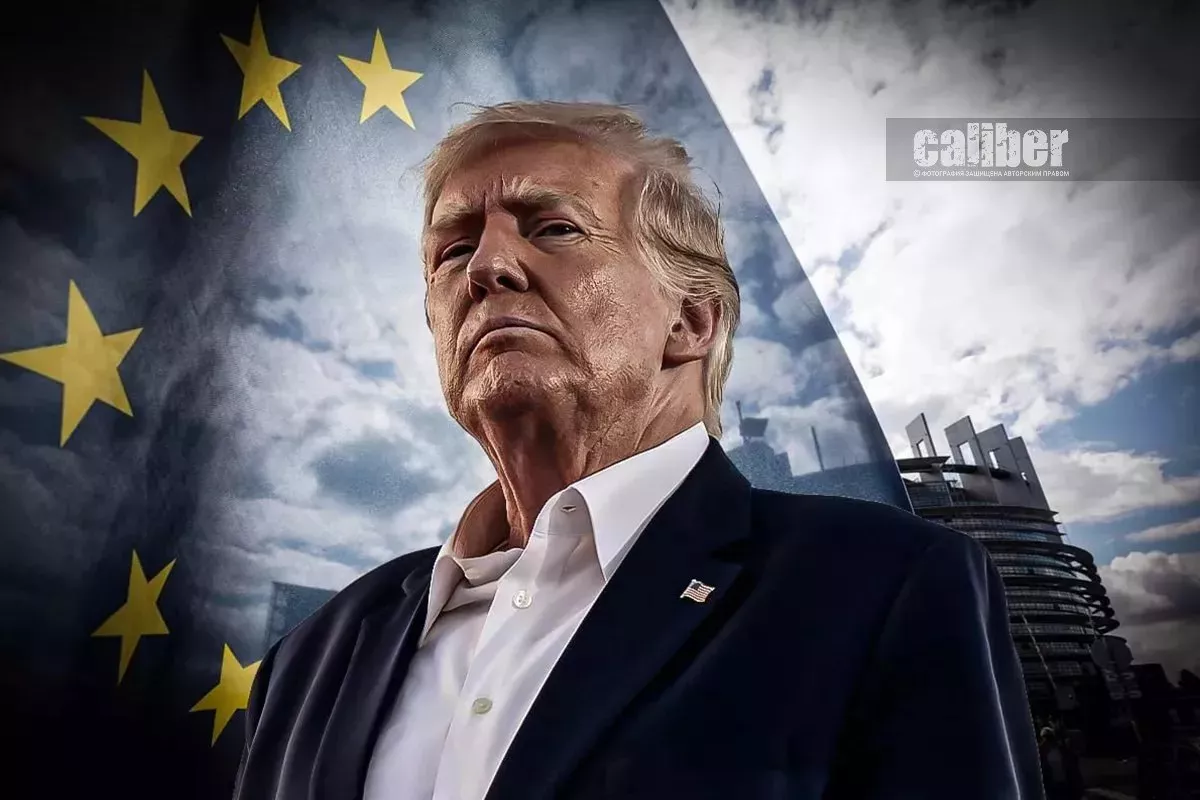
— It all primarily comes down to the fact that European leaders irritated Donald Trump so much that he decided to respond in a similar manner in the new strategy. When Trump first came to power, European leaders treated him cautiously and allowed themselves restrained criticism. However, after his defeat in the elections, many EU leaders and heads of European institutions openly showed joy over the outcome.
When Trump ran for office again, European elites—though not directly, but through the press and public signals—actively criticised him and initially bet on Biden, and later on Kamala Harris. He did not forget this. Therefore, a significant part of the new U.S. National Security Strategy is not only about values or defence, but also explicitly political. It is Trump’s response to European elites who, for many years, did not accept or outright condemned him.
Hungary points to a parallel: Viktor Orbán and the Hungarian leadership have long faced harsh criticism, even in cases where it later turned out that their position was correct. Yet Brussels has shown no acknowledgement of mistakes, reconsideration of approaches, or softening of rhetoric. A striking example is migration policy. In 2015, Hungary began building a border fence without any financial assistance from the EU and faced severe criticism. Today, other countries are closing their borders, erecting fences, and implementing controls even within the Schengen Area—and they receive support from the European Union—but no one acknowledges that Budapest had warned about this long before the others.
The difference is that Trump has real instruments of pressure and response, whereas Hungary does not. Therefore, his actions represent a kind of political revenge and an attempt to influence a change in the European elite, bringing to power politicians who are ideologically closer to him.
— Who today is Hungary’s ally in its views on reshaping Europe, and how viable could such a coalition be?
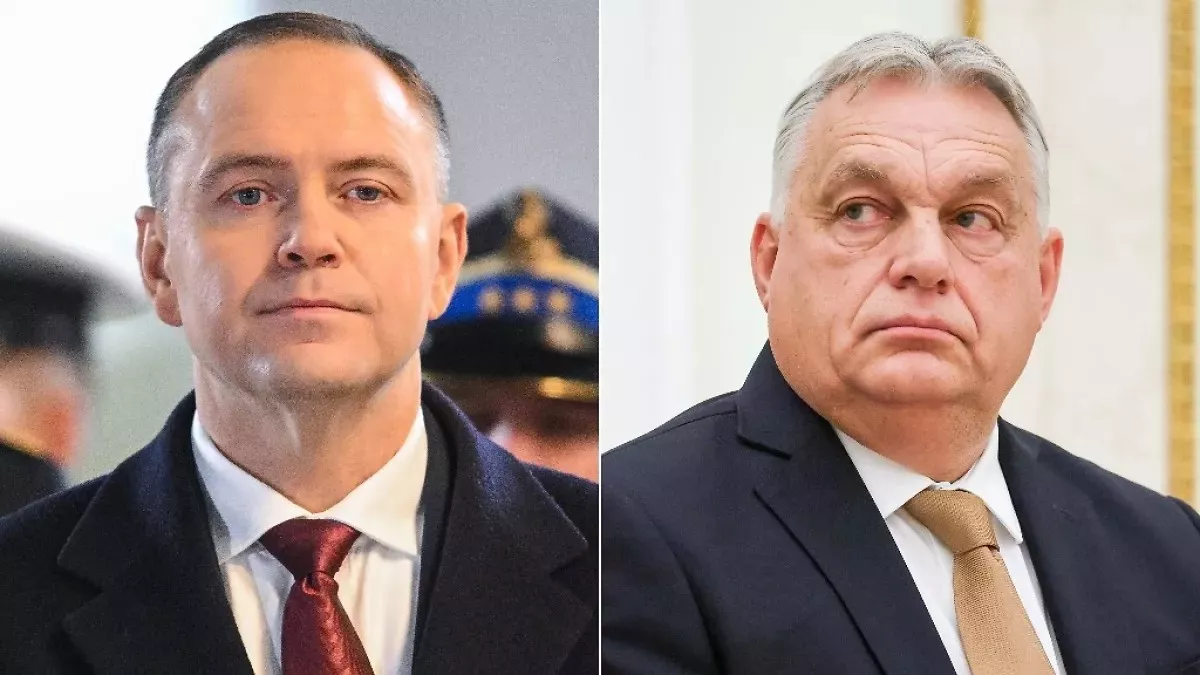
— Previously, Hungary’s main ally was Poland. This was supported by historical, cultural, and political factors, as well as both countries’ participation in the Visegrád Group. During the rule of the Law and Justice Party and until the start of the war in Ukraine, Warsaw and Budapest were very close partners. However, their positions on the Ukrainian issue later diverged, contacts were frozen, and after Donald Tusk’s government came to power, relations became significantly colder.
At present, Hungary does not have a strong ally within the EU that supports it on all key issues. There are partnerships on specific topics, such as energy, EU enlargement, and relations with the United States. In some negotiations, Hungary can count on Slovakia, but its government follows a different ideological model and is not right-wing conservative like Hungary’s Fidesz.
There are also opposition parties with which Hungary maintains good relations—for example, conservative forces in Austria or Spain. Certain hopes are also linked to the Czech Republic, where the arrival of Andrej Babis as prime minister could bring a more ideologically aligned partner. However, at present, this is not a full-fledged coalition, but rather situational cooperation on specific issues.
— What role do you see for Azerbaijan and the South Caucasus in Trump’s policy? And what should the new European policy be under these conditions?
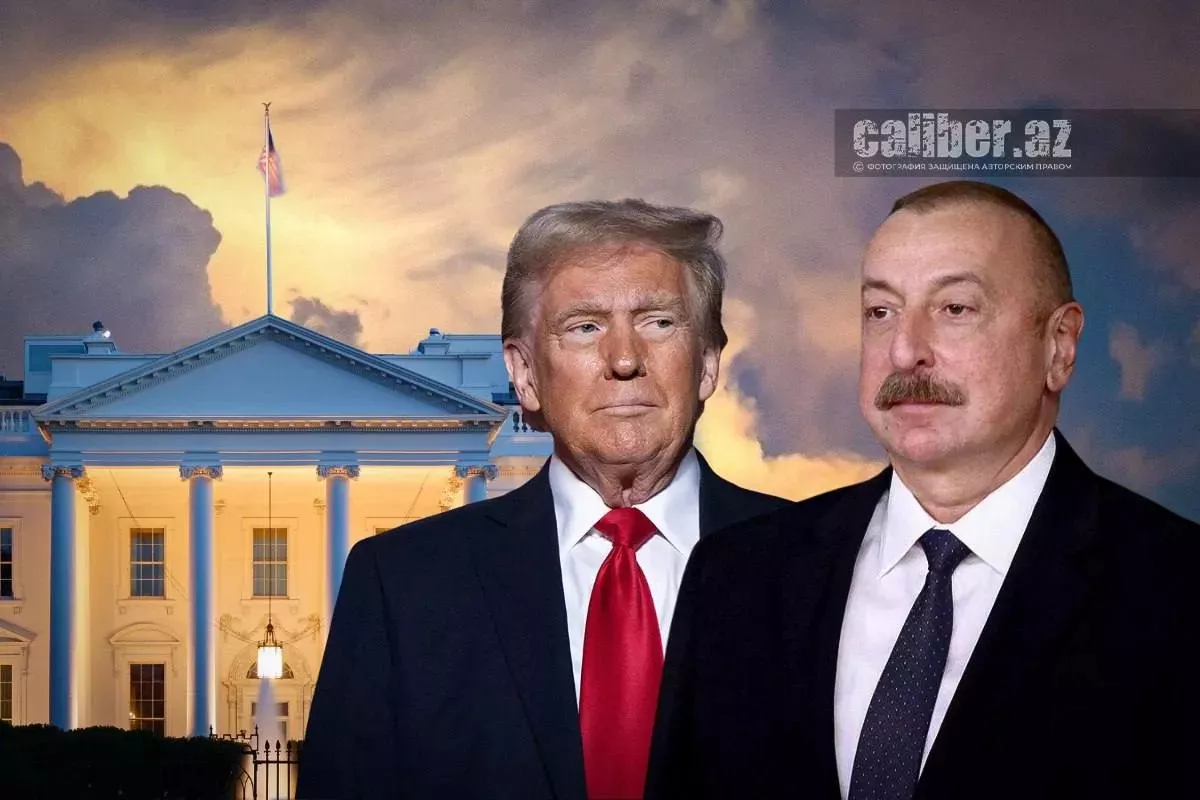
— First of all, it is important to note a shift in the foreign policy of the current White House administration. For Trump, bilateral relations between strong leaders and pragmatic realism are key. His main criteria are economic and strategic potential, and the ability to conduct mutually beneficial business.
This is precisely why Trump is comfortable working with leaders such as Viktor Orbán, Ilham Aliyev, and Recep Tayyip Erdoğan. He sees them as partners who keep their word and can guarantee the security of American investments. The new U.S. National Security Strategy explicitly states that Washington focuses on bilateral relations rather than multilateral formats or international organisations.
The South Caucasus in this context is seen as an important logistical hub, with the Zangezur Corridor acting as a bridge between Asia and Europe under the influence of U.S. allies—Türkiye and Azerbaijan—allowing for bypassing Russia and Iran. This makes the region strategically important for Trump.
Regarding the Organisation of Turkic States (OTS), there are both advantages and disadvantages. On the one hand, it is a multilateral format, which is not a priority for Trump. It is simpler and more efficient for him to work directly with individual states. On the other hand, the OTS benefits the United States by minimising the American resources needed for security and influence in the region. In a context where the U.S. is reducing its presence in Europe and the Middle East and focusing on countering China, this form of “outsourcing security” through allies proves to be quite rational.







 editor@caliber.az
 +994 55 444-88-98
 Азербайджан, Баку, ул. Низами, 203, Af Business House, 5-й этаж