










Why Georgia’s European integration remains out of reach Expert opinions on Caliber.Az
The Speaker of the Georgian Parliament, Shalva Papuashvili, sharply criticised the position of the European Union, which, according to him, is prioritising Ukraine and Moldova over Georgia on the path to European integration. He called such comparisons a mockery of the Georgian people.
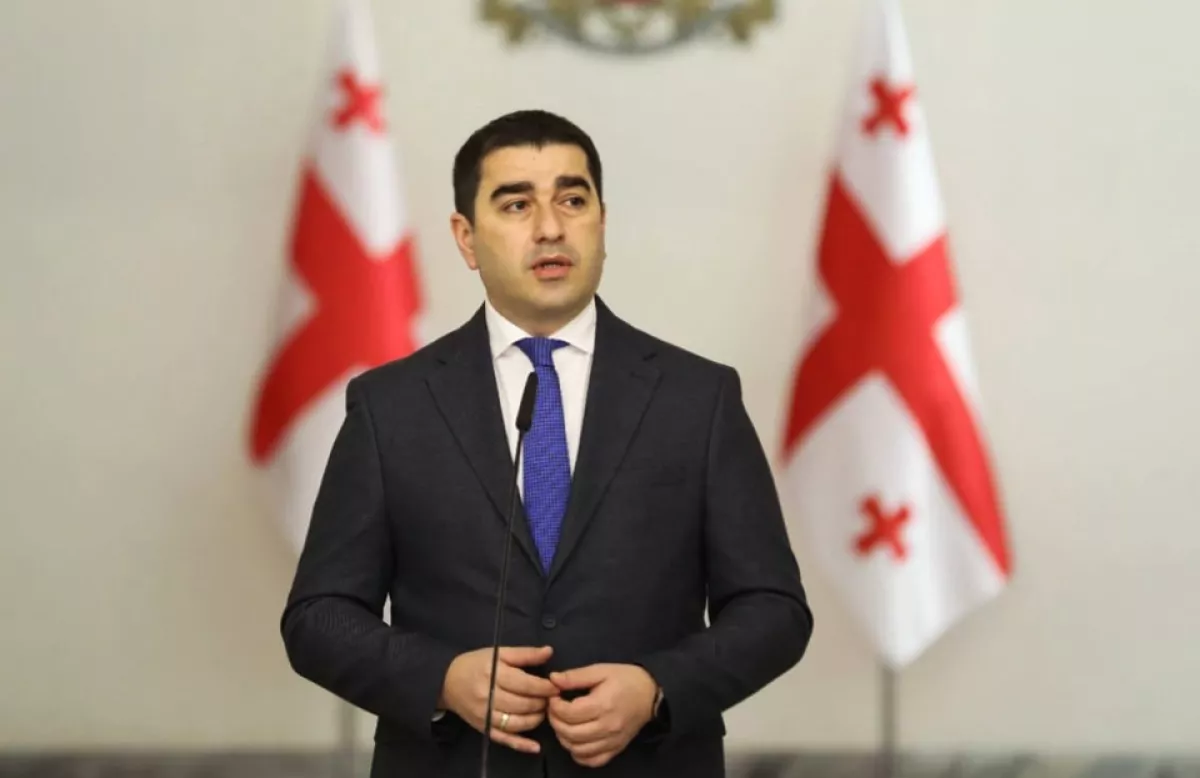
Papuashvili stated that Ukraine and Moldova are only ahead of Georgia in “flattering the Brussels bureaucracy,” a field in which Georgia truly cannot surpass them. However, he emphasised that, by objective indicators—such as the economy and domestic development—Tbilisi demonstrates higher performance.
He also cited several arguments that, in his view, cast doubt on the successes of these countries. Firstly, he noted that Moldova’s economy has “slid into the negative.” Papuashvili accused Brussels of interfering in domestic affairs, including parliamentary elections, describing the support given to a specific candidate as “voter bribery and external influence.” Separately, he pointed to pressure on media outlets critical of the authorities. According to him, similar trends can be observed in Ukraine.
These statements reflect the growing frustration of official Tbilisi with EU policy. Tbilisi has repeatedly emphasised that it meets all the requirements and considers Brussels’ approach discriminatory. In December 2023, Georgia was granted EU candidate status on the condition of implementing nine key reforms. However, by June 2024, the European Council had effectively suspended the accession process, citing failure to implement the reforms and democratic backsliding. In November, the ruling party, Georgian Dream, itself announced a freeze on negotiations until 2028.
This raises key questions: do Moldova and Ukraine truly lag behind Georgia in terms of economic performance and the development of democratic institutions? What will be the future direction of Georgia’s European integration?
Leading Georgian experts answered these questions for Caliber.Az.
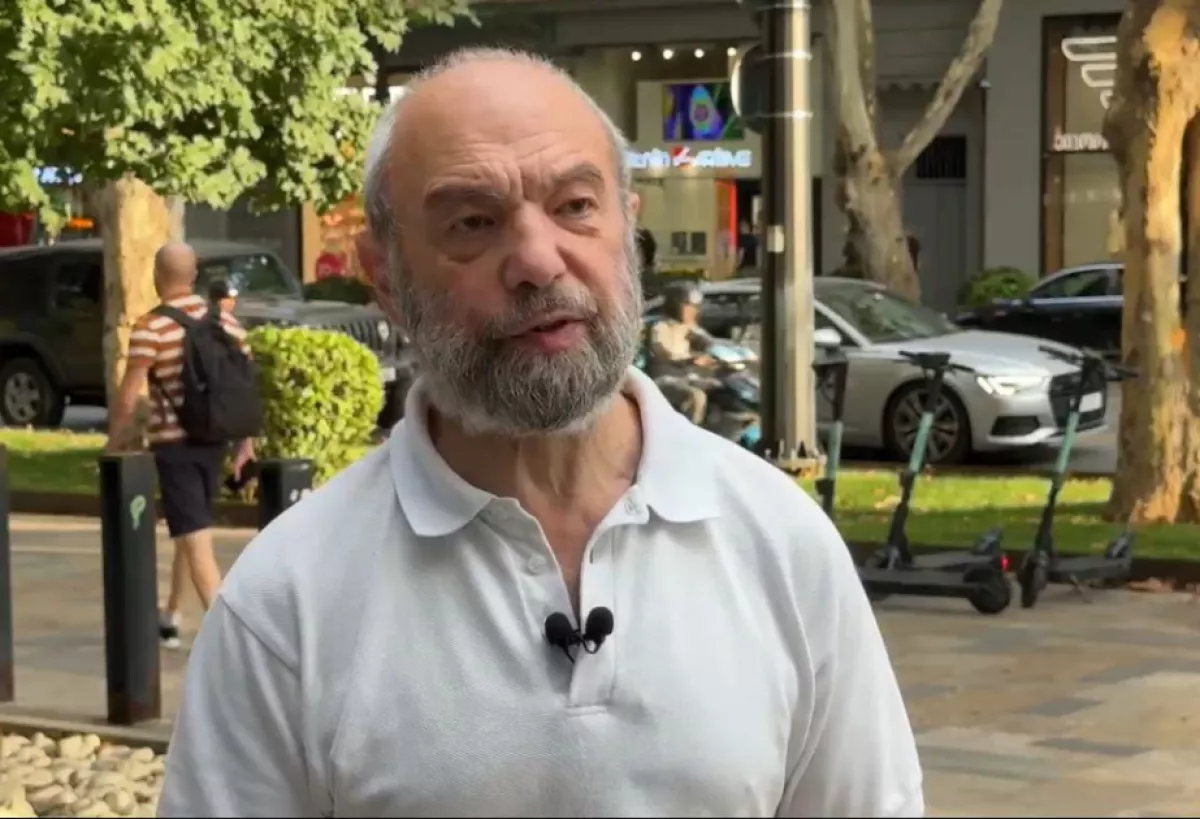
Politician and political analyst Petre Mamradze, former Chief of Staff to the President of Georgia, notes that the situation changed radically after the outbreak of hostilities in 2008.
“I am referring to Georgia’s relations with the West and Europe. Even before that, the process of European integration had begun to slow down. In the final years of Saakashvili’s rule, nothing significant was happening in this regard. Then, in 2012, with the rise to power of Georgian Dream (GD), the country signed an Association Agreement with the EU, and a few years later Georgians obtained visa-free travel. GD celebrated this, speaking about the irreversibility of the process. However, Georgia’s territorial integrity has been violated, and that alone makes it clear that Georgia will not be accepted into the EU in its current state.
Yes, the Schengen Zone was opened to us, which pleased many. But it should be noted that no one in the EU ever asked Georgia to rush its accession to the Union,” the politician said.
According to him, in 2022, when the war in Ukraine began, the first Russian tanks were stationed just 29 kilometres in a straight line from Tbilisi.
“They are still there. Against this backdrop, Georgian Dream voted in PACE to suspend Russia’s membership in the Council of Europe and signed statements condemning Russia’s actions in Ukraine. But then, first the Ukrainians, and later the Americans, demanded that Georgia transfer ‘Javelins’ and ‘Buk’ systems to Kyiv. Our authorities tried to explain that this could be seen by Moscow as a hostile act and provoke the occupation of Georgia. But they were not understood. And that is when our government reconsidered its position.
Regarding Ukraine and Moldova, even according to European ratings, Georgia surpasses both countries in terms of fighting corruption. And not just them—but even 12 EU member states. From the EU’s side, there is no real understanding of the situation Georgia is in, although some members of the European Parliament recognise that we are right,” Mamradze said.
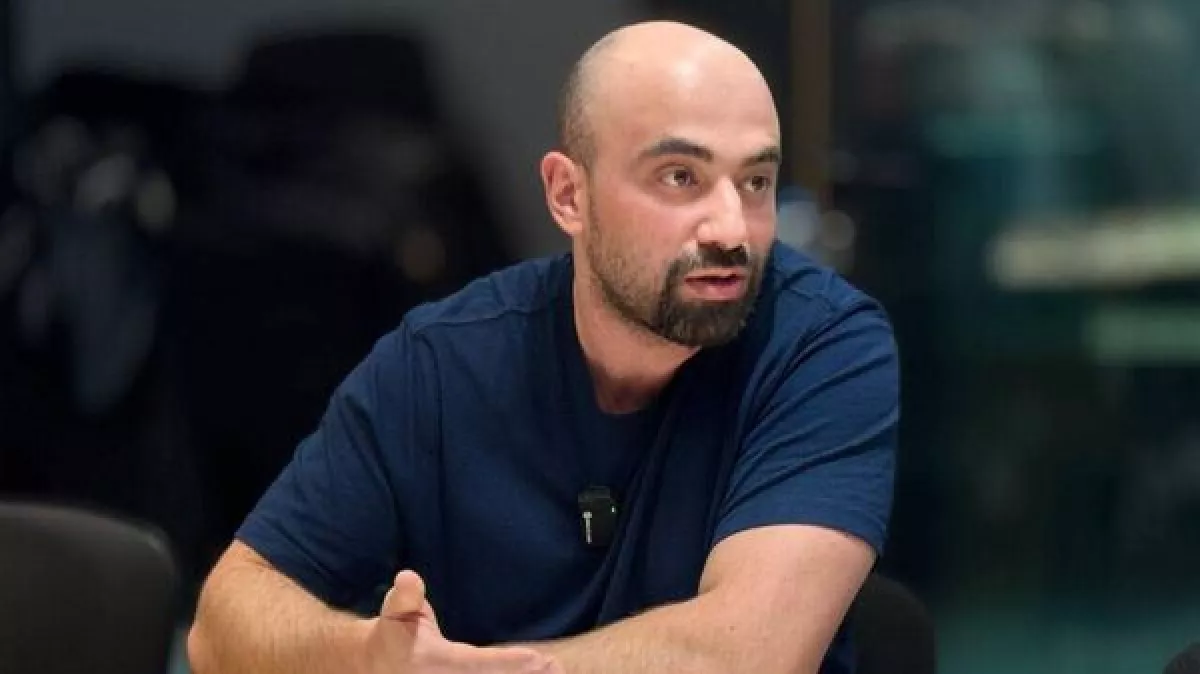
Political analyst and founder of the SIKHA Foundation research centre, Archil Sikharulidze, believes that nothing fundamental has changed in relations between Georgia and the European Union.
“Georgia’s integration into the European Union has long been stalled—ever since the war in Ukraine began. Moreover, neither Moldova, nor Ukraine, nor Georgia will be able to join the EU until political processes within these countries stabilise and the war in Ukraine ends.
At the same time, Moldova and Ukraine are economically fundamentally behind Georgia, which is confirmed by data from the European Union itself. The only area in which Georgia lags behind Ukraine is energy; in all other indicators, Georgia is ahead,” the researcher noted.
According to Sikharulidze, the reason Brussels prioritises Kyiv and Chișinău is geopolitical logic, not an assessment of reforms or economic performance.
“These countries are important to the European Union for two key reasons. First, they share borders with the EU, unlike geographically distant Georgia. Second, they are actively used against the Russian Federation, whereas the Georgian leadership has refused to participate in this line.
Thus, the main obstacles to Georgia’s EU accession are its geographic remoteness and its refusal to adopt the EU’s policy of inflicting a strategic defeat on Russia. Georgia cannot be used against the Russian Federation—and that is precisely why discussions about its European integration remain, to this day, nothing more than ‘Tales from the Vienna Woods,’” the political analyst concluded.







 editor@caliber.az
 +994 55 444-88-98
 Азербайджан, Баку, ул. Низами, 203, Af Business House, 5-й этаж