










From binoculars to real dialogue Baku and Yerevan without EU mediation
Today, November 21, a group of civil society representatives from Armenia arrived in the capital of Azerbaijan. This visit is a response to the recent trip of an Azerbaijani delegation to Yerevan.
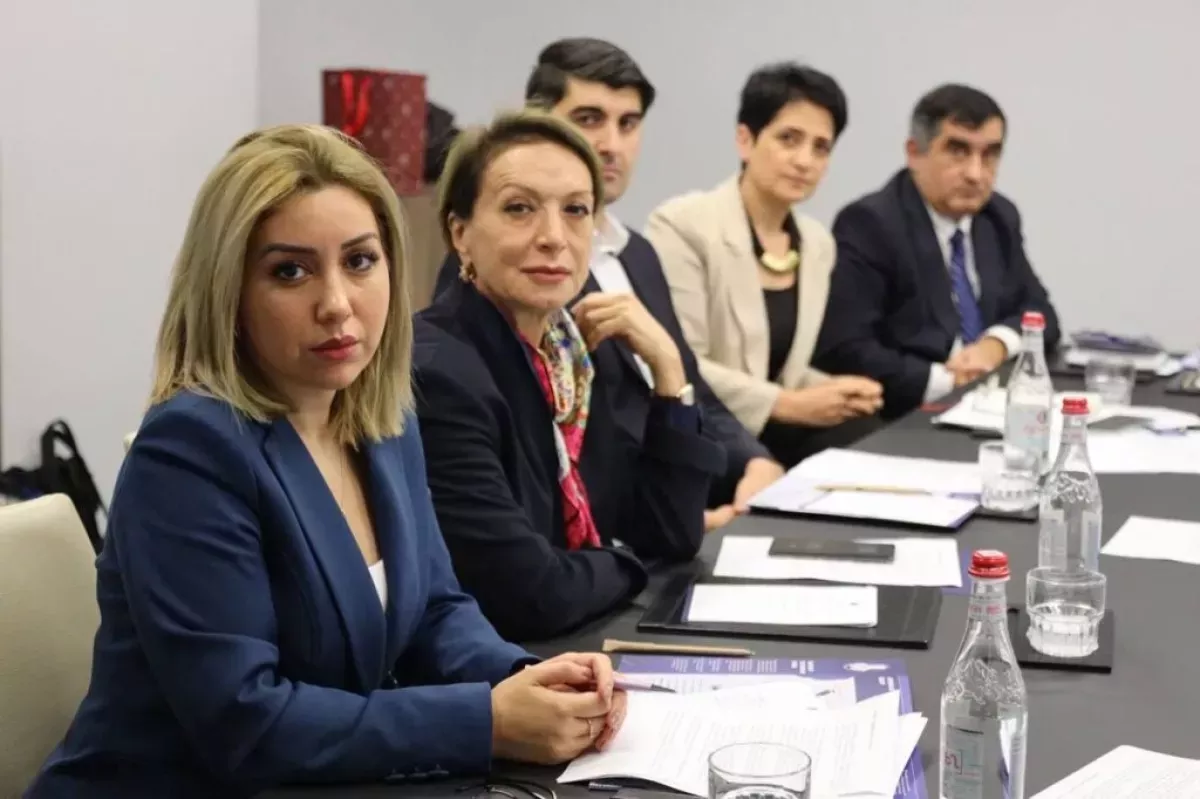
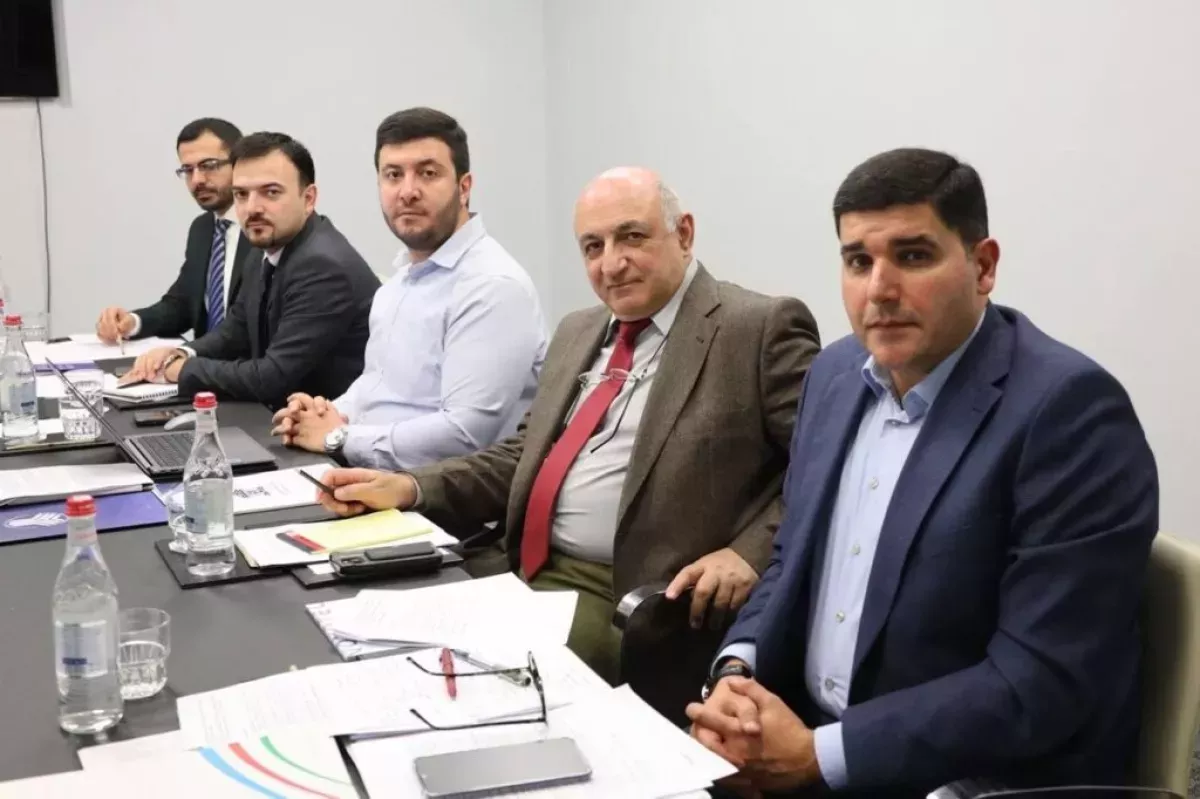
Last month, on a joint initiative of expert community representatives from Armenia and Azerbaijan and with the support of official structures of both countries, a “roundtable” was held in the Armenian capital. From the Armenian side, participants included Areg Kochinyan, Boris Navasardyan, Naira Sultanyan, Narek Minasyan, and Samvel Meliksetyan; from the Azerbaijani side, Farhad Mammadov, Rusif Huseynov, Ramil Isgandarli, Kamala Mammadova, and Dilara Afandiyeva.
This event was historic and groundbreaking, particularly given that, for the first time in over thirty-five years, the first charter flight between Baku and Yerevan was carried out, with an Azerbaijani plane landing at Yerevan’s Zvartnots Airport.
In this context, it is worth highlighting the clear policy of official Baku aimed at building bridges between the two states. First, Azerbaijan lifted all restrictions on the transit of goods to Armenia through its territory, restrictions that had been in place since the occupation. The first such transit shipments to the neighbouring republic consisted of Kazakh and Russian grain.
At the same time, it is widely recognised in Azerbaijan that establishing a political and economic foundation for peace is not enough on its own. A new regional geopolitical configuration is impossible without dialogue between the two societies. As part of Azerbaijan’s confidence-building initiatives, a meeting of civil society representatives from both countries was held last month in the Armenian capital.
Now comes the reciprocal visit of representatives from Armenian civil society. As we can see, dialogue between the two countries under the peace agenda, established following the adoption of the Joint Declaration on August 8 in Washington, continues.
These steps are particularly significant because the initiative, originating from Baku for bilateral dialogue between the societies of the two countries, is essentially informal. It was not created for reporting purposes but is grounded in a genuine understanding that peace is possible only when the parties communicate directly.
The visitors from Yerevan arrived as representatives of a society that, though perhaps not as quickly as Azerbaijanis might wish, is beginning to acknowledge the inevitability of a new reality — one in which Azerbaijan has restored its sovereignty, regained control over its territories, and in doing so closed one of the most painful chapters of its recent history.
Against this generally positive backdrop, Europe’s conspicuous silence stands out. The very Europe that for many years offered its own platforms, programmes, and dialogue projects. On paper, these initiatives appeared to be peace-promoting, yet in practice, they reinforced the existing state of affairs—that is, they were aimed at maintaining the then-prevailing status quo. All these partnership programmes, conferences, and “roundtables” merely created the appearance of a process without delivering tangible results.
Moreover, many of these programmes functioned more as mechanisms for distributing grants than for solving actual problems. Now, when a real opportunity has arisen to take concrete steps toward establishing lasting peace in the region, the Old Continent seems to have lost interest. Azerbaijan has liberated its lands, arguments about threats have ceased, and the field for constructive work has opened—yet on the European side, there is silence.
This raises a legitimate question: “Why, when Azerbaijani territories were under occupation, were projects generated one after another, yet now, when there is a chance to build peace under conditions of restored Azerbaijani sovereignty, does Europe prefer to step into the shadows?”
The contrast becomes especially striking when looking at Europe’s relationship with Ukraine. There, everything is present—political, financial, and humanitarian support; reconstruction plans and aid programmes. The scale is colossal, with allocated funds reaching tens of billions of euros.
In Azerbaijan’s case, however, there is silence, which causes bewilderment in the country. Twenty per cent of its territory was completely destroyed. European structures, capable of building entire cities in other countries, did not even attempt to assist with the mine-clearing problem. Yet support in this area could have been both crucial and life-saving. This is not just about security—it is also about enabling people to return to a normal life.
Europe could have been involved in projects related, for example, to the development of the Zangezur Corridor or other initiatives capable of reshaping the region’s logistical map. But such participation has not materialised.
Azerbaijani society is watching these developments and trying to find a logical explanation. Why does the EU, which previously displayed such overzealous activity, now show indifference? Could it be that Europe genuinely believes discussions on LGBT issues and other trendy concepts deserve more attention than restoring regional stability and supporting peace? It increasingly seems that European political circles are engaging in conversations detached from reality, losing sight of what countries undergoing complex and painful transformations truly need.

Against this backdrop, the functioning of the EU mission in Armenia also appears strange. The threat of a new war has been removed, both sides are talking about peace, and a new political climate is taking shape in the region—yet European observers continue to spy on Azerbaijan. Even if, for a moment, one assumes that EUMA was originally established as a tool for stabilisation along the border, its continued operation long ago ceased to correspond to the current situation. To Azerbaijani society, this appears as an attempt to maintain control and influence through the artificial perpetuation of an anxious agenda.
All these factors create a cumulative sense of frustration toward EU institutions. Perceptions that a few years ago might have been considered merely critical have now grown far more emotional. Against this backdrop, the visit of Armenian experts to Baku takes on added significance. It demonstrates that real steps toward peace are not born in Brussels, nor in foundations or grant projects, but in the capitals of the two countries themselves, willing to engage in direct dialogue. Europe could have been a partner in this process, but for now it chooses inaction. As a result, the very peacekeeping role it once sought to play increasingly appears grotesque.
Meanwhile, Azerbaijan is solidifying its position as a peace initiator—not only in the South Caucasus region—but one that moves forward without external prompts.







 editor@caliber.az
 +994 55 444-88-98
 Азербайджан, Баку, ул. Низами, 203, Af Business House, 5-й этаж