










Pakistan on the map of the global war on terror From ally to key actor
After a series of terrorist attacks carried out by the Al-Qaeda group on September 11, 2001, the war on terror became one of the key directions of international policy, including in Asian countries, where the interests of major powers directly collided with threats from extremists. As a result, a factor of “counterterrorism cooperation” or, as some call it, “counterterrorism trade” emerged in politics – a strategic exchange between states, in which one party provides support in the fight against terrorism in return for economic, military, and humanitarian assistance.
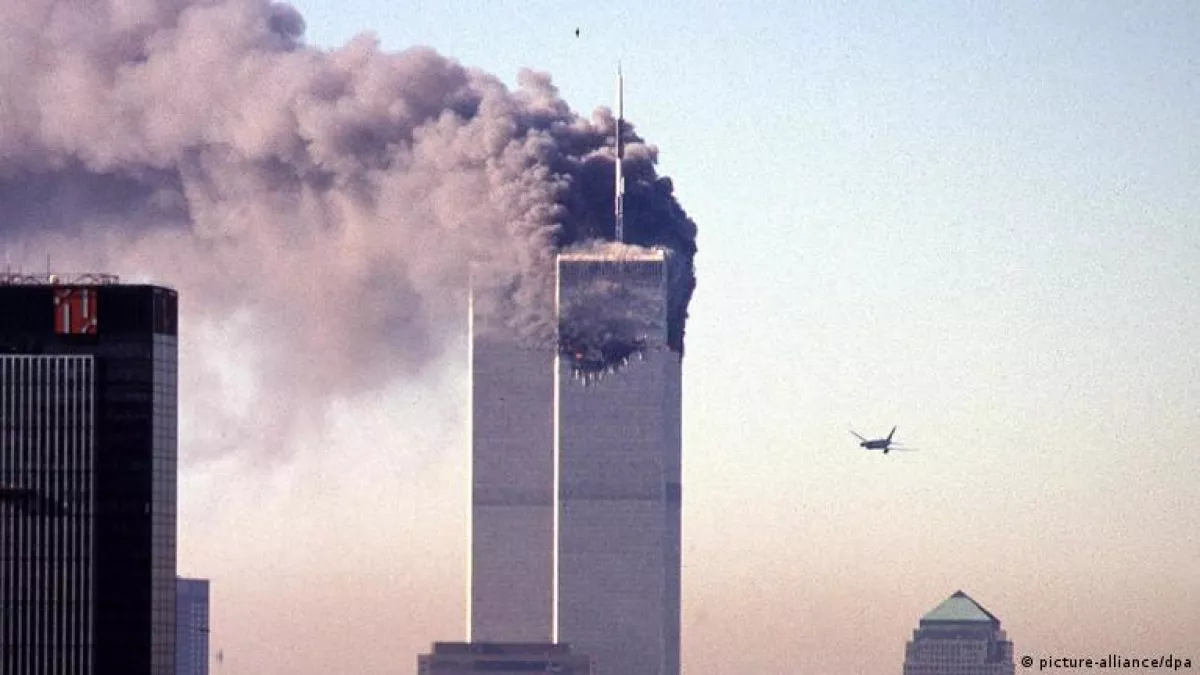
In this context, Pakistan plays a central role in the global confrontation with the Islamic State (ISIS) and, most notably, its branch, Wilayat Khorasan, providing support to Western countries, especially the United States, in this fight. The history of this cooperation is long and complex. Since 2001, Islamabad has been a key Western ally in the fight against terrorism. Thanks to its geopolitical location, Pakistan became a “floating aircraft carrier” for U.S. military operations, allowing the use of its bases and airspace. In return, between 2002 and 2018, the Pakistani government received more than $33 billion in military and financial assistance.
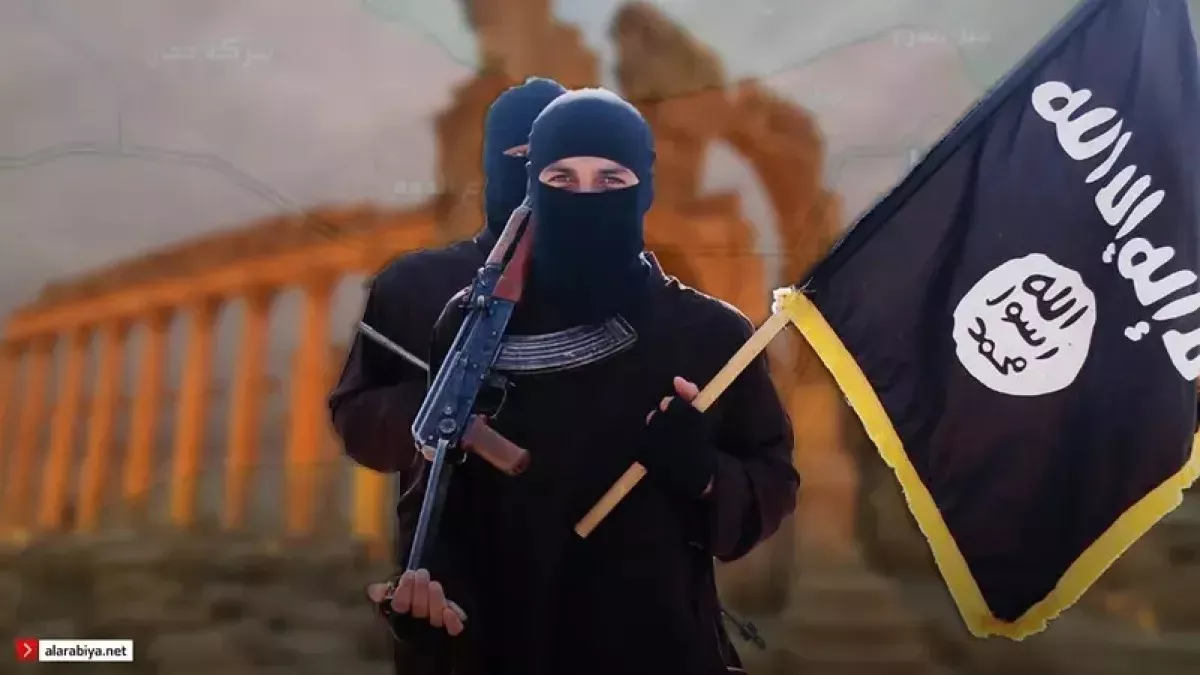
In January 2015, a branch of the Islamic State—ISIS-Khorasan—was established through the recruitment of Afghans, Pakistanis, defectors from the Taliban, Al-Qaeda, and the Islamic Movement of Uzbekistan. This marked the entry of the terrorist threat into South Asia. This ISIS branch carried out several high-profile attacks, including the mass killing of Ismailis in Karachi. This prompted Pakistan to launch military operations, and the authorities succeeded in pushing some radicals into Afghanistan. However, this terrorist group still poses a threat, as it attracts experienced fighters, actively recruits online, and encourages acts of lone-wolf terrorism abroad. Despite pressure from Afghan and Pakistani authorities, ISIS-Khorasan continues to have both the capability and the intent to carry out sudden attacks.
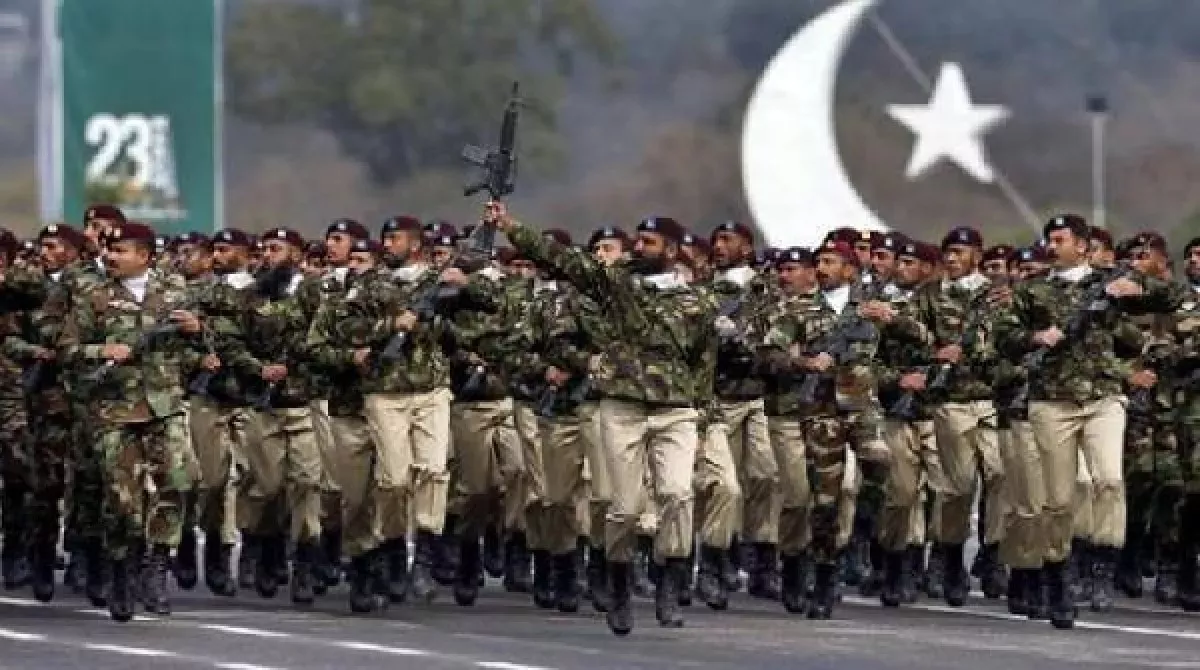
The role of Pakistan in countering ISIS, particularly its Khorasan branch, cannot be overstated. Since 2015, the Pakistani army has conducted large-scale operations, such as Zarb-e-Azb, which resulted in hundreds of militants being expelled to Afghanistan, reducing ISIS’s ability to carry out attacks within the country. The country’s intelligence services have focused on arresting terrorist supporters, dismantling recruitment networks in urban areas, and blocking funding channels for militants through money transfers. Islamabad has also participated in U.S. airstrikes against ISIS leaders, such as the elimination of Hafiz Saeed Khan in 2016. Nevertheless, the threat of attacks remains on the Pakistani side of the Afghan border, as exemplified by the mosque bombing in Peshawar. All of this has prompted Islamabad to continue strengthening cooperation with the West—not only in the military sphere—since, according to a USIP report, ISIS uses its ideology to attract educated youth.
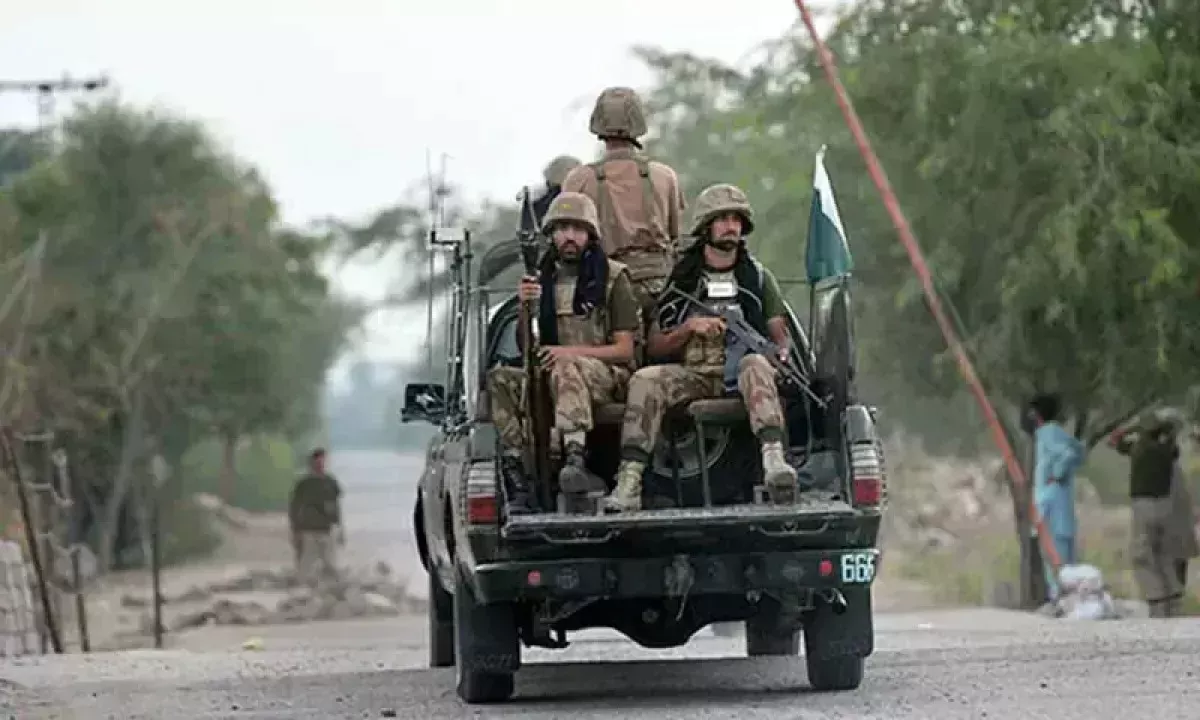
In recent years, especially after the withdrawal of U.S. forces from Afghanistan in 2021, the threat from ISIS has sharply increased, as militants have taken advantage of the circumstances to strengthen themselves and carry out terrorist attacks in Pakistan.
In this context, Pakistan has evolved from being merely an ally to a key actor in counterterrorism, with cooperation in exchange for assistance becoming a strategic model of interaction. According to the U.S. State Department, this cooperation currently includes supporting Islamabad in implementing its national counterterrorism plan in exchange for security assistance, which encompasses personnel training and the provision of weapons, including drones and radar systems. This not only enhances Pakistan’s capacity to combat internal threats but also gives the West access to vital intelligence and infrastructure.
In addition to combating ISIS, Pakistan is now seeking U.S. support in its efforts against the Tehrik-e-Taliban Pakistan (TTP, now known as Fitna al-Khawarij), which operates in the northern tribal areas, as well as separatist groups in the southwestern province of Balochistan. The highest number of extremist incursions has been recorded in Khyber Pakhtunkhwa (29) and Balochistan (28), with two additional attacks occurring in Punjab. Responsibility for the attacks has been claimed by the Balochistan Liberation Army, Tehrik-e-Taliban Pakistan (Fitna al-Khawarij), the Hafiz Gul Bahadur Group (HGBG), Lashkar-i-Islam, and Wilayat Khorasan.
Islamabad insists that the United States provide it with more intelligence and expand arms deliveries to the Pakistani military for combating insurgents. In turn, the U.S. is willing to supply Pakistan with demining equipment, armoured personnel carriers, night vision devices, and other systems that, in their assessment, will not affect the military balance between Pakistan and India.
Another key demand from Islamabad is more difficult to fulfil. It concerns gaining agreement from the United States and other Western countries on Pakistan’s claim that India is supporting Pakistani Taliban and Baloch separatists. Recently, Pakistan presented foreign governments with what it called new evidence and seeks their pressure on New Delhi to halt such activities.
In summary, it can be stated with confidence that, in the eyes of the United States and Western countries, Pakistan’s role in the fight against terrorism remains decisive. To consolidate the successes achieved, it is necessary to expand transparency and foster equitable cooperation, with particular attention to combating the ideology of terror. In the future, the development of partnership relations could strengthen regional stability. It should also be noted that the activity of terrorist groups, including ISIS-Khorasan, is not limited to the West—Russia and China also recognise the serious threat these groups pose to their interests. Consequently, Pakistan could become a point of convergence for the interests of East and West within the framework of counterterrorism.







 editor@caliber.az
 +994 55 444-88-98
 Азербайджан, Баку, ул. Низами, 203, Af Business House, 5-й этаж