










Architecture of new reality: Azerbaijan in era of victorious peace Following President Aliyev’s interview
President Ilham Aliyev’s interview with local television channels on January 5 offered a detailed portrait of the model of peace and strategic framework that Azerbaijan is steadily shaping today. It was a conversation about a country that, after thirty years of war, is learning to live in peace while simultaneously preserving and strengthening its military capabilities.
It was also a conversation about a state that has transformed its geographic position into geopolitical capital and its oil revenues into transport corridors, energy networks, and technological hubs. At its core, the interview outlined a logic in which diplomacy operates only in tandem with real power, rather than relying on declarative international law, which the president bluntly describes as a relic.
Philosophy of power
Almost five months of peace have passed. That is how long it has been since the August meeting at the White House, which effectively drew a political conclusion to a conflict that lasted longer than the independence of modern Azerbaijan. Aliyev calls this the consolidation of the victory won on the battlefield into the political realm. The distinction is important because it separates the military triumph from its diplomatic formalisation. The war was won in the autumn of 2020 and finally concluded with the counterterrorism operation in September 2023. Only in August 2025—after U.S. President Donald Trump signed the joint declaration as a witness—was the draft peace agreement initialled and the infamous Section 907 of the “Freedom Support Act” suspended, granting the victory full political recognition.
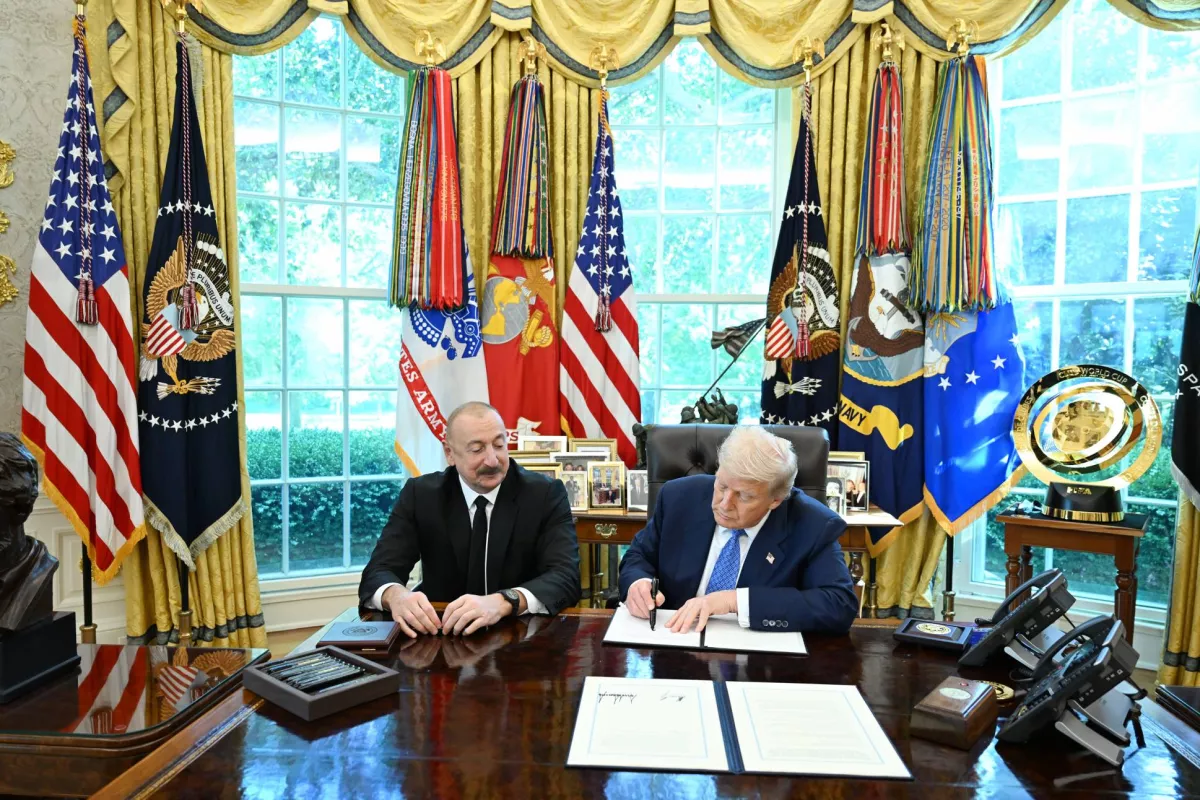
Aliyev speaks about this calmly, without rhetoric, yet behind that calm lies an awareness of the magnitude of what has been achieved. Azerbaijan has concluded the war by creating a new regional reality in which it acts as the chief architect. The upcoming opening of the Zangezur Corridor, which Washington has imbued with a deliberately personal symbolism, will transform the country into a hub for transcontinental freight flows. A working group with the United States to prepare a Charter on Strategic Partnership is moving bilateral relations from a zone of constraints into a space of unlimited opportunities. Normalisation with Armenia is proceeding on Azerbaijan’s terms, without territorial or legal concessions. All of this forms a picture of a country that has learned to set the agenda, rather than adapt to others’ scripts.
It is telling how Aliyev describes the path to this achievement. He does not hide the fact that for years he tried to convince Western partners of the justice of Azerbaijan’s position, appealing to international law and citing UN Security Council resolutions. And he encountered a wall of indifference—not misunderstanding, but indifference—because, as he states bluntly, influential circles in the West believed that this was how it should be, that the occupied territories should go to Armenia. This revelation is invaluable. It explains much of Azerbaijan’s subsequent strategy, which rests on a simple truth: when international law does not work, one must create reality on the ground and then seek its recognition. And that is exactly what was done.
The president repeatedly returns to the idea that international law no longer exists as an effective mechanism. This is a sober analysis of the state of the world. He says: there is no such thing as international law—there is power, there is cooperation, there is alliance, there is mutual support. And he provides examples that demonstrate this point more convincingly than any theoretical argument. Four UN Security Council resolutions calling for the withdrawal of Armenian troops from Azerbaijani territories remained on paper for twenty-seven years. But as soon as Azerbaijan created a new reality through the use of military force, the entire world—including leading countries and international institutions—accepted it. No one disputes Baku’s sovereignty over the liberated territories. The victory legitimised itself because it was won on its own land, within the framework of the right to self-defence.
At the same time, Aliyev emphasises that Azerbaijan has always acted within the bounds of justice. The country could have used force against Armenia itself, could have inflicted on the Armenian people the same suffering that the Azerbaijani people endured, could have destroyed Armenian cities just as Aghdam was destroyed. But it did not. Not because anyone could have stopped it, but because it would have been wrong. The president understood that sooner or later the war had to end, and it had to be the stronger side that brought it to a close. This is both an acknowledgement of power and an acknowledgement of the responsibility that comes with it. Azerbaijan could have gone further, but it chose to stop. And it was precisely this decision that strengthened its position, as it demonstrated the ability to control its own strength.
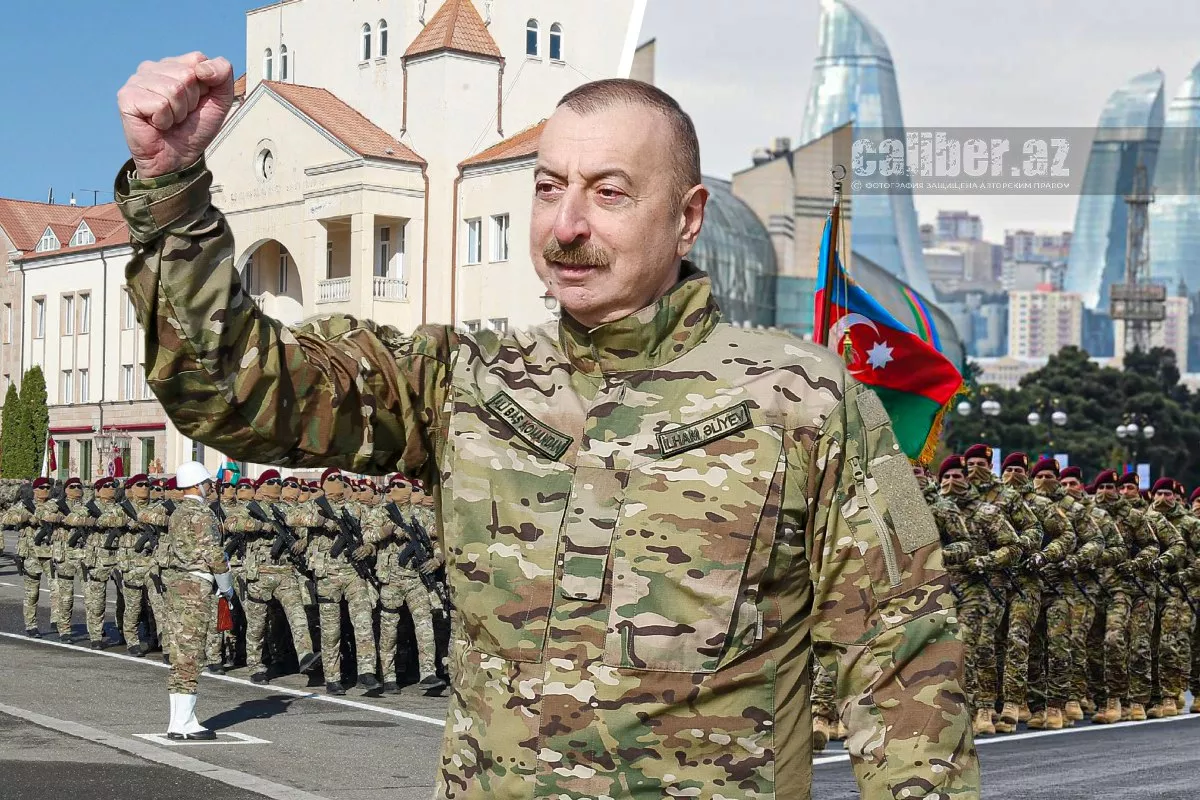
The theme of power runs as a red thread throughout the entire interview. Aliyev speaks frankly: today, the world is such that the right belongs to the strong. This is not a declaration of intent, but a statement of fact. And that is why Azerbaijan continues to build up its military potential. In the five years since the Second Karabakh War, the country’s army has grown several times stronger. Structural reforms have been implemented, new units created, modern weaponry procured, and domestic military production expanded and steadily developed. Some of this was showcased in the parade, while other parts remain behind the scenes. But the key point is this: this power is not meant for aggression. Aliyev states openly that he is not preparing for war; on the contrary, he hopes that wars are now a thing of the past. Yet this strength is necessary so that no one dares to treat the country with contempt, and no one can cause harm with impunity.
From this perspective, the domestic defence industry is entering a new phase of development. Under the president’s directive, private companies have been involved in this sector. When the Ministry of Defence Industry was established twenty years ago, the sector was regarded as a state monopoly. But international experience has shown that in many countries, private companies play the leading role. By involving private firms, the burden on the state—including financial—can be reduced. Over the past two years, private companies have been given the same opportunities as state enterprises. Licences have been issued to fifteen companies, and seven private firms have already begun producing military equipment. Investment in creating new production facilities and expanding existing ones in 2024–2025 reached one billion manats (approximately $600 million), half of which came from the private sector.
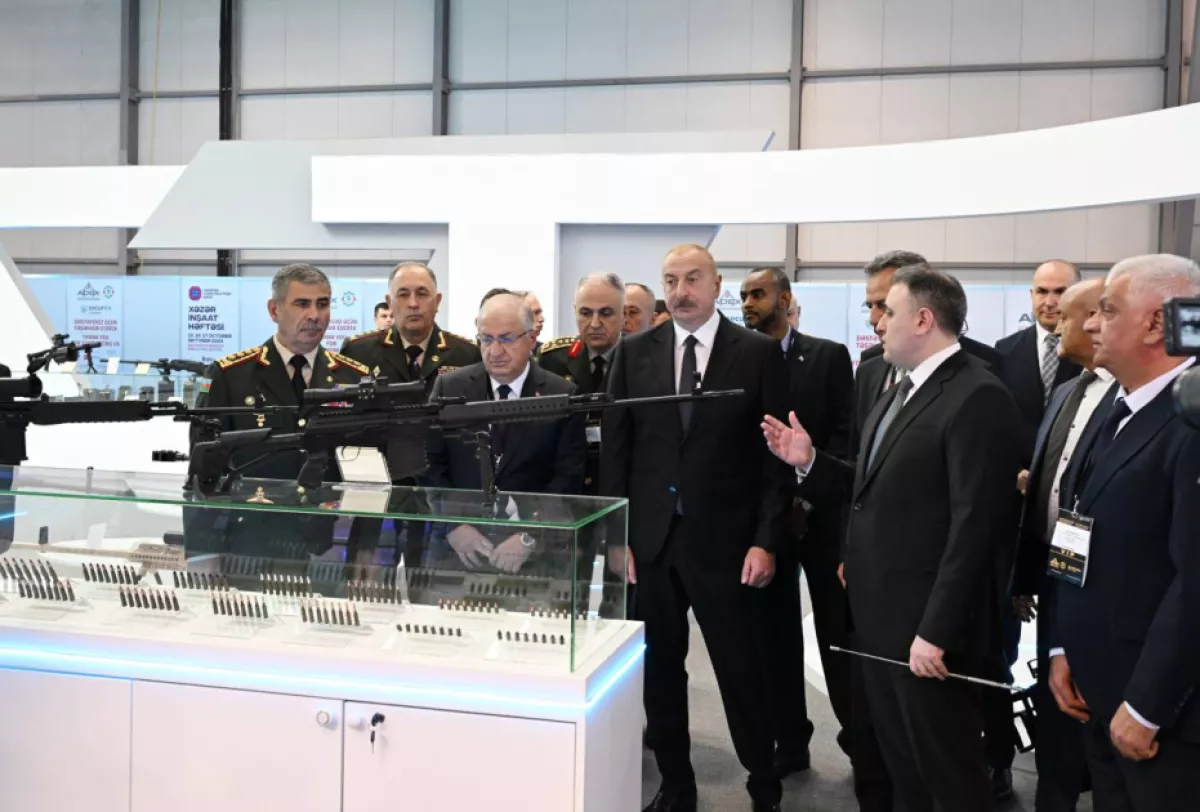
Last year, military production amounted to 1.4 billion manats ($820 million). The majority of it was delivered to the Armed Forces of Azerbaijan, while part was exported. Today, Azerbaijan exports military products to nearly twenty countries. Joint ventures have been established with major global defence companies, planning to produce drones, artillery systems, weapons, and ammunition.
This sector is viewed through several lenses. First, to fully satisfy domestic demand through local production.
Second, to create a large-scale industrial sector.
Third, to develop a modern workforce and expand export opportunities. It is now seen as a business direction. The number of wars in the world is increasing, and accordingly, the demand for military products—and their prices—is also rising. This could become an alternative source of foreign currency. The short-term goal is to increase exports to one billion dollars, a figure the president considers achievable within three to four years.
This philosophy also extends to the president’s proposal to hold joint military exercises in Azerbaijan with the countries of the Organisation of Turkic States. He emphasises that he does not mean the creation of a military alliance, but sees defence cooperation as necessary. The logic is simple: the Turkic world cooperates in energy, transport, trade, and investment—so why not in the military sphere, if this is today the top priority for all countries? The president notes that the reaction from all member states to this initiative has not yet been received, but he is consistently advancing it. Behind this lies an understanding of a rapidly changing world, the transformation of alliances, and the fact that security is increasingly becoming the main asset in international politics.
The American direction became the main foreign policy breakthrough of 2025. Aliyev describes in detail how relations with the Trump administration have developed, with some interesting details. Even before Trump’s election victory, the Azerbaijani president publicly spoke of him positively. This was interpreted as political support, and when Trump came to power, contacts between the two leaders began immediately. Aliyev characterises the Trump administration as highly pragmatic, professional, and aware of America’s national interests. For this administration, cooperation with Azerbaijan, a country with regional potential and influence, is both natural and important.
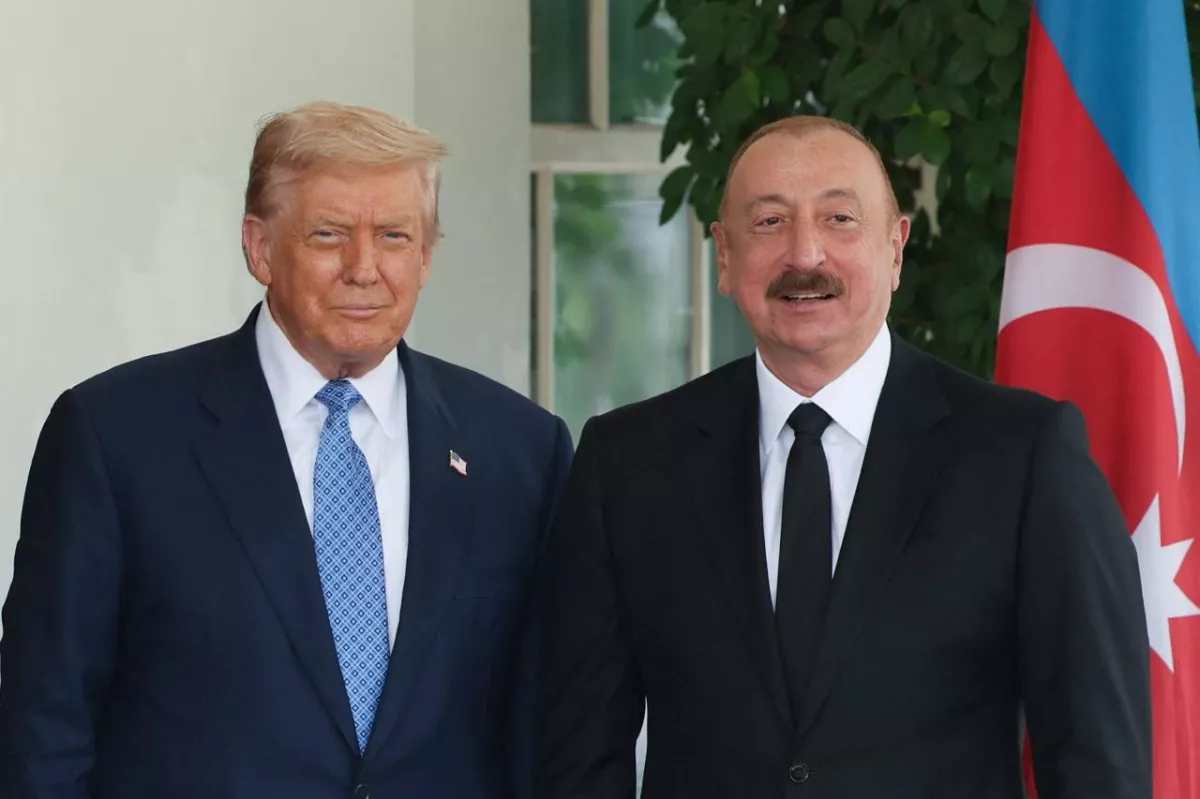
The contrast with the previous administration is striking. Aliyev does not hide his assessment of the Biden-Blinken period, calling it a crisis for bilateral relations. He provides a concrete example: after the conclusion of the U.S. mission in Afghanistan, when Azerbaijan was no longer needed for transit and logistics, the Biden administration refused to lift Section 907. This, he says, was an act of ingratitude. Moreover, he recalls that Joe Biden, then a senator, was one of the active supporters of this amendment in 1992. The circle closed: the very person who helped impose restrictions on Azerbaijan in the early 1990s, 30 years later, as president, reinstated them.
Trump’s arrival changed everything. The “freezing” of Section 907 became an important gesture. Congress has not yet approved the measure, but the very fact of the White House ceremony with the Azerbaijani president carries enormous significance. It removes the stigma that hung over Azerbaijani-American relations for more than thirty years. It is recognition that Azerbaijan is no longer a country that can be restricted for lobbying reasons. The strategic working group already being formed is drafting a partnership charter, with work progressing across all areas: economy, trade, transport, defence-industrial cooperation, and investment.
Since October, Aliyev has sent four official delegations to the United States, comprising ministers and private sector representatives. Specific projects, investments, and formats of cooperation are being discussed. American companies are seen as key partners in establishing artificial intelligence and information technology centres in Azerbaijan. The country has a primary resource for this: surplus energy capacity—two thousand megawatts of available electricity that can be used for energy-intensive data centres. No other country in the region has comparable potential.
Geography as strategy
But Washington is not the only focus. Aliyev also spoke in detail about strategic partnership with China, formalised through two declarations over two years. Trade turnover between the two countries has reached four billion dollars, with growth exceeding twenty per cent. Chinese companies are making large-scale investments in Azerbaijan’s renewable energy sector, building solar and wind power plants, a panel production facility, and assembling electric buses. A new direction in military-technical cooperation has also emerged, which the president calls a strategic decision.
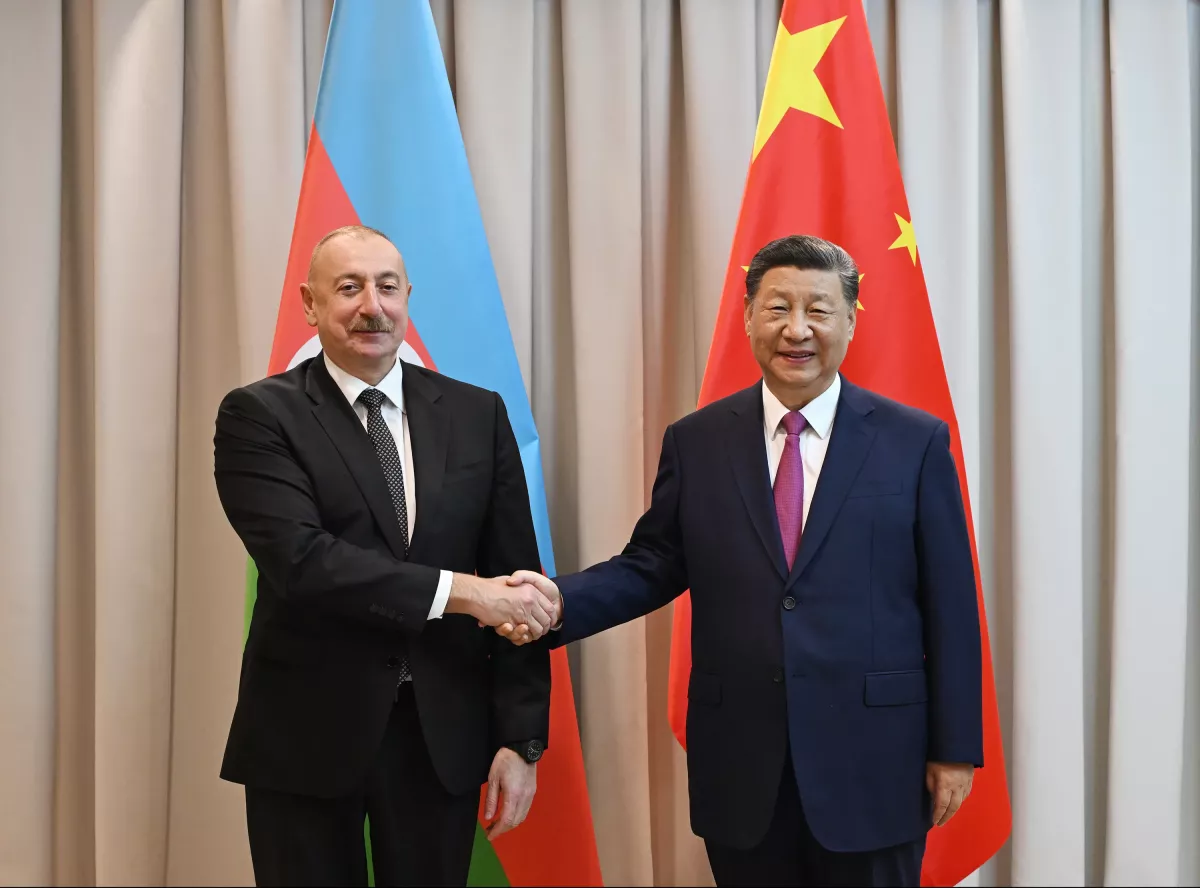
China sees Azerbaijan as a key partner in the region—a country that serves as a hub for freight flows from the South Caucasus in multiple directions. The People’s Republic of China is financing the construction of a railway through Kyrgyzstan and Uzbekistan to the Caspian, investing billions in infrastructure. This means that freight traffic towards Azerbaijan will increase. And with the launch of the Zangezur Corridor, there will be a second western route, in addition to the traditional route through Georgia. Two routes are better than one, especially when a country has no access to the open ocean.
The president also highlights several other important foreign policy achievements of the past year. Azerbaijan’s membership in the D-8 organisation, which for thirty years had not accepted new members, has now opened its doors to the country. This is a union of the largest Muslim-majority countries, with a combined population of over one billion and an economy exceeding four trillion dollars.
Even more unique, Aliyev notes, is Azerbaijan’s election as a full member of the Consultative Council of Central Asian states. The format has expanded from C5 to C6. Geographically, Azerbaijan is not located in Central Asia, but its ties with the Central Asian republics are so strong that they unanimously welcomed it into their ranks.
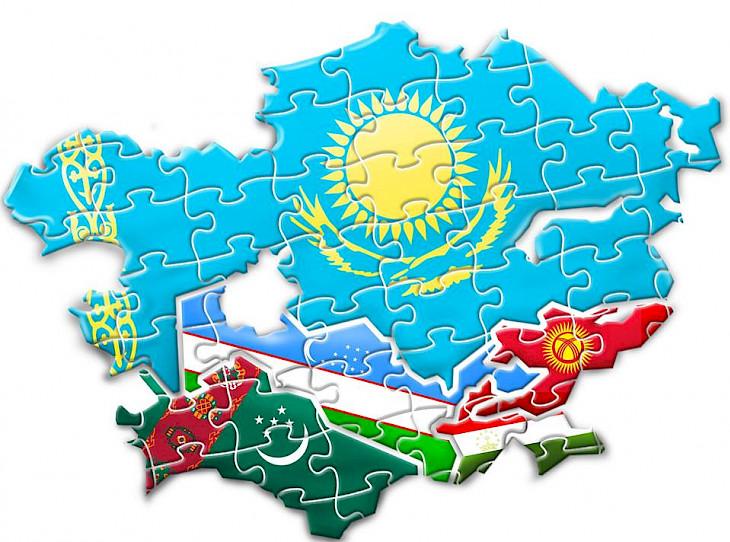
This changes the geopolitical situation in the region. Azerbaijan is becoming the only reliable country capable of geographically linking Central Asia with the West. Alternative routes exist, but given the geopolitical context, they are unacceptable for Western partners. The role of a living bridge and dependable partner will only grow. To date, one hundred thousand containers have passed through Azerbaijani territory, and this is just the beginning.
The Zangezur Corridor plays a special role in this system. Aliyev speaks of it calmly, as if the matter is already settled. Road construction on the Azerbaijani side is nearing completion: the highway is 95 per cent ready, the railway 70 per cent. Forty-two kilometres still need to be built on Armenian territory. The president does not believe that Armenia will be able to avoid implementing the project. That would be suicidal, especially considering that Trump has given the route his personal endorsement.
In parallel, at Azerbaijan’s initiative, a bridge is being built across the Araz River in the settlement of Aghband. This will be a second route from the main part of the country to Nakhchivan, via Iran. The distance will be reduced to forty-five kilometres. This creates dual connectivity: through Armenia and through Iran. Nakhchivan, East Zangezur, and Karabakh are being integrated into a single region.
Economy of victory
The country’s economic indicators give the president measured satisfaction. He speaks of complete financial independence. Several years ago, a goal was set to reduce external debt, and it has been achieved. Debt has fallen to a historically low level of just over six percent of GDP. At the same time, foreign currency reserves exceed external debt by sixteen to seventeen times. The country can meet all its obligations at any moment.
The strategic decision to increase gold reserves in 2024 brought additional income. The president says he clearly foresaw geopolitical developments and was confident that gold prices would rise—and they did. The State Oil Fund earned more than ten billion dollars from this alone. Total reserves reached eighty-three to eighty-four billion dollars, among the highest per capita in the world. Two leading rating agencies have upgraded Azerbaijan’s credit rating to investment grade with a positive outlook.
The natural decline in oil production affects GDP figures, but the non-oil sector grew by over three per cent in the first eleven months. Efforts are underway to stabilise oil production and increase gas output. The deepwater part of the Azeri-Chirag-Gunashli field, the new phase of Shah Deniz, and the promising Babek and Absheron fields will provide additional volumes of blue fuel. This will allow Azerbaijan to expand gas exports, which already reach fourteen countries. This year, two more European countries will be added. Sixteen countries receiving pipeline gas from a single source is a record!
The president repeatedly returns to the topic of fossil fuels and green energy. He frankly states that several years ago there was a mania against oil and gas. The Trump administration changed this approach. Realism now prevails. Fossil fuels cannot be ignored—they are essential for life. Azerbaijan demonstrates responsibility by actively investing in green energy while possessing substantial oil and gas reserves. A map of solar and wind power plants has been approved. By 2030, six thousand megawatts of renewable energy are planned for integration, rising to eight thousand by 2032.
Green energy will make it possible to save gas for export or use it for energy-intensive projects within the country. Data centres and artificial intelligence require enormous power, and Azerbaijan can provide it. In addition, the export of clean energy is planned. The Black Sea Cable project has been completed in terms of its technical and economic feasibility.
Social policy remains a top priority. Aliyev says this is not a slogan, but reality. The minimum wage has increased more than forty-fold over the past twenty years. Over the last seven years, five packages of social reforms have been implemented, covering four million people, with a total funding volume of around eight billion manats ($4.7 billion). The president emphasises that he has never engaged in populism, made unattainable promises, or taken on large loans to hand out money and burden future generations with debt.
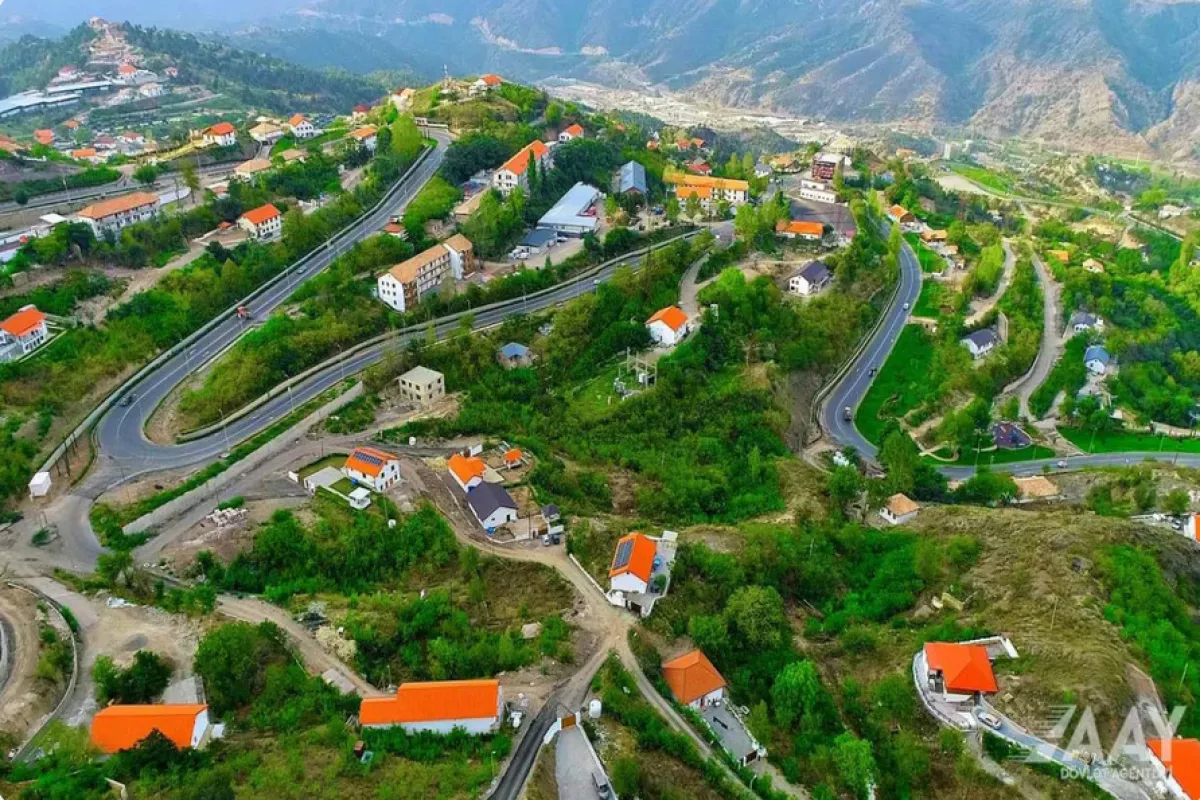
The restoration of Karabakh is proceeding methodically. Aliyev provides a detailed account of the work that has been done. The first task was establishing communications. During the occupation, the region was in a deplorable state. The president recalls his first visits there and wonders: where did all the money collected by Armenians in telethons go? Life had stopped in the 1970s. Everything had to be built from scratch.
A ring energy system has been created, so that electricity now flows from the region to the centre, rather than from the centre to the region. Over five years, hydroelectric power plants with a total capacity of 307 megawatts have been built, while consumption in the liberated areas is significantly lower. Reservoirs have been restored and newly constructed. Power lines have been laid through the mountains of Kalbajar, and railways, roads, and tunnels have been built. Today, seventy thousand people already live there, most of whom are working and not all are returnees, across thirty-two towns and villages. This year, the population can increase several times. Aliyev does not provide exact numbers because sometimes work takes longer than planned. However, he believes people can be settled in at least thirty to fifty villages, and by the end of the year there could be one hundred twenty, one hundred thirty, or even one hundred forty thousand people living and working there.
As infrastructure projects are implemented, additional funds will be allocated for housing construction. Everything is done sequentially, in accordance with the master plan. Aliyev emphasises that he has never set specific deadlines. When it is ready, it will be ready. But everything must be done with quality, and there must be public oversight.
Tourism, the president noted, is receiving a new impetus for development. Before the pandemic, the sector showed steady growth; today it is in a recovery phase, relying primarily on a key factor—security. Azerbaijan is perceived as one of the most stable and predictable countries in the region, which directly affects tourist demand. Its geographic location between Asia and Europe, developed transport infrastructure, and diversified offerings provide a solid foundation for further growth.
A separate focus is the development of tourism in the liberated territories. Karabakh and East Zangezur are seen as new growth points, where tourism infrastructure is being established alongside the region’s restoration and economic reintegration. Hotels are already being developed in Shusha, Lachin, Zangilan, Kalbajar, and Khankendi, gradually reintegrating these areas into national and international tourist circuits alongside traditional destinations.
A key factor for further expansion remains air connectivity. Its liberalisation and the arrival of international, including low-cost, airlines are expanding the country’s accessibility. Against this backdrop, the goal of reaching 5–6 million tourists appears realistic. The growth in passenger traffic at Heydar Aliyev International Airport is already leading to the need for a new terminal with a capacity of 15–20 million passengers—an infrastructure extension of the broader policy of an open and connected economy.
The war is over. A completely new situation has emerged. The burden carried for more than thirty years has been lifted. This opens prospects for business tourism and medical tourism. Recreational tourism already exists in Naftalan, Galalti, and Duzdag. There are many plans, and all of them will be implemented.
Land, society, and native language
The president also addressed the protection of the Azerbaijani language. He noted that language unites people and is one of the main attributes of statehood, alongside the flag, coat of arms, and anthem. The Azerbaijani people lived under colonial conditions for centuries. Life as part of other empires and states shaped the nation’s psychology. The consequences of this psychology are still felt today, though they are diminishing. Language is the factor that makes a nation a nation. The Azerbaijani people have always preserved their language. The language spoken today is no different from that of their great-grandfathers, Aliyev emphasised. This is a great achievement. The greatness of the nation lies in the fact that it has not succumbed to the influence of other languages. Some words entered the lexicon during the Soviet period, but since independence, the language has been cleansed of them.
President Aliyev emphasised that Azerbaijanis are a large nation: over ten million live in independent Azerbaijan alone, and more than fifty million Azerbaijanis live around the world. The language of a great nation cannot remain in the shadow of any other language. It is rich, melodic, and beautiful. If it was preserved during the years of colonialism and passed down by our ancestors, how can it not be preserved today? Sometimes consciously, sometimes unknowingly, foreign words enter the language. They do not enrich it and do not make those who use them any smarter. Knowing many languages is good, but foreign languages should be spoken only when necessary. Foreign words erode the language rather than enrich it, undermining national identity, drop by drop, quietly. If the language is lost or corrupted, or completely adapted to another language, national identity will also be lost; statehood will follow, and the country could face a major catastrophe.
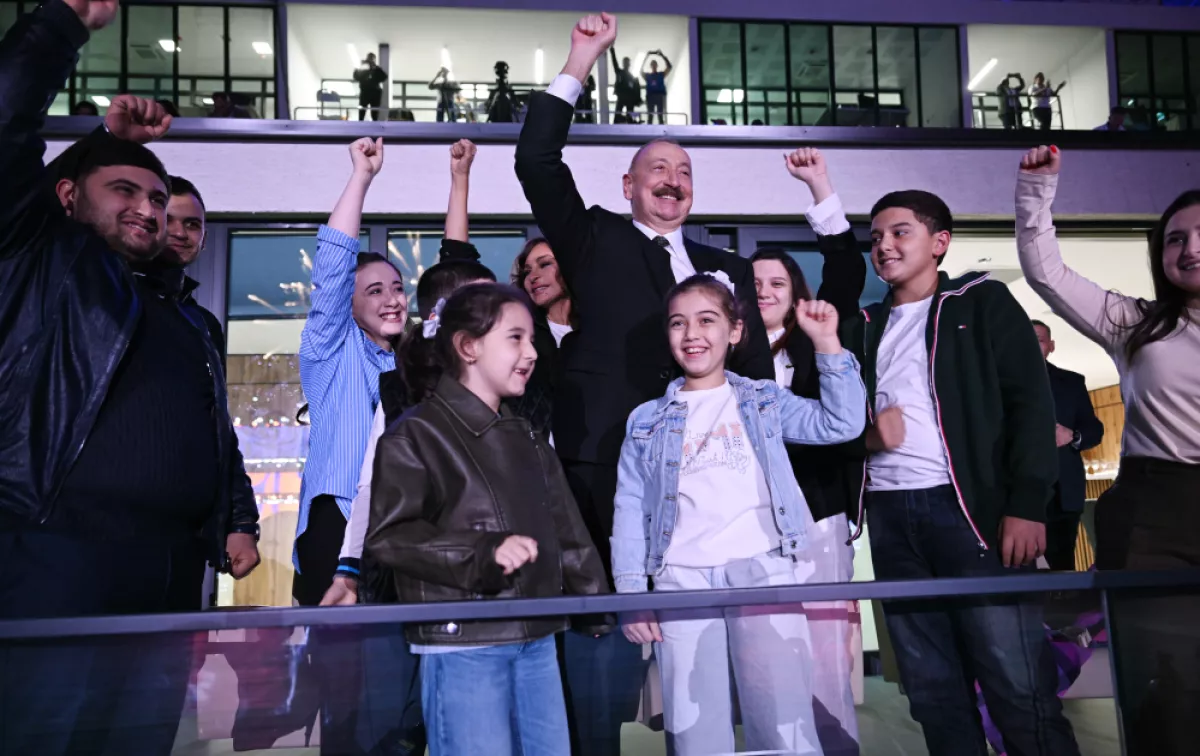
The protection of the Azerbaijani language is the duty of everyone. Aliyev calls for action, because in today’s world it is impossible to live in isolation. There are contacts, internet resources, and social networks, and foreign words inevitably enter the language. The guardian of the Azerbaijani language is the Azerbaijani state. While fifty million Azerbaijanis live worldwide, it is our country that preserves this original, eternal, literary language. The president would like Azerbaijanis living abroad to also master the language perfectly. In some countries, there are no Azerbaijani schools. This is a great injustice, and it must be ended. By the president’s directive, online Azerbaijani language schools will be opened in many places where Azerbaijanis reside.
Science and education make a state and a nation strong. Aliyev speaks of the concept of turning “black gold” into human capital. Structural changes have been carried out, and a Ministry of Science and Education has been established. Previously, science remained on the sidelines of state structures; now it must be integrated with education. The experience of developed countries shows that science advances together with higher education institutions. Azerbaijan has chosen this model. Structural and personnel reforms are underway, with younger and more modern experts being promoted.
The progress of developed countries is based solely on intellect, knowledge, education, and science—not on oil and gas. Azerbaijan must actively work in this direction. Over the past twenty years, ten new higher education institutions have been established, some in partnership with foreign partners. Improving the quality of education, enhancing social benefits for teachers, and implementing a testing system all pursue one goal: to make society literate and educated. Only then can long-term development be achieved. After oil and gas reserves are depleted, the country could face extremely difficult circumstances if it does not have an educated population.
Various state programs are being implemented, one of which is the “Yukselish” programme. Those who were sent abroad for education under the president’s directive have long since returned, and many are already working. When a modern, competent person takes a leadership position, the situation changes completely. Personnel reform, science and education, and the overall intellectual level of society—without these, talented individuals rarely emerge. When the general intelligence level in society is high, then waves of talented people appear.
The personnel issue remains key. Aliyev described the management model used in Karabakh and East Zangezur through the institution of special representatives. This is an operational, flexible method that does not require the participation of a large number of officials. In the liberated territories, this model has proven effective. It may one day be applied in other regions, or even across the country.
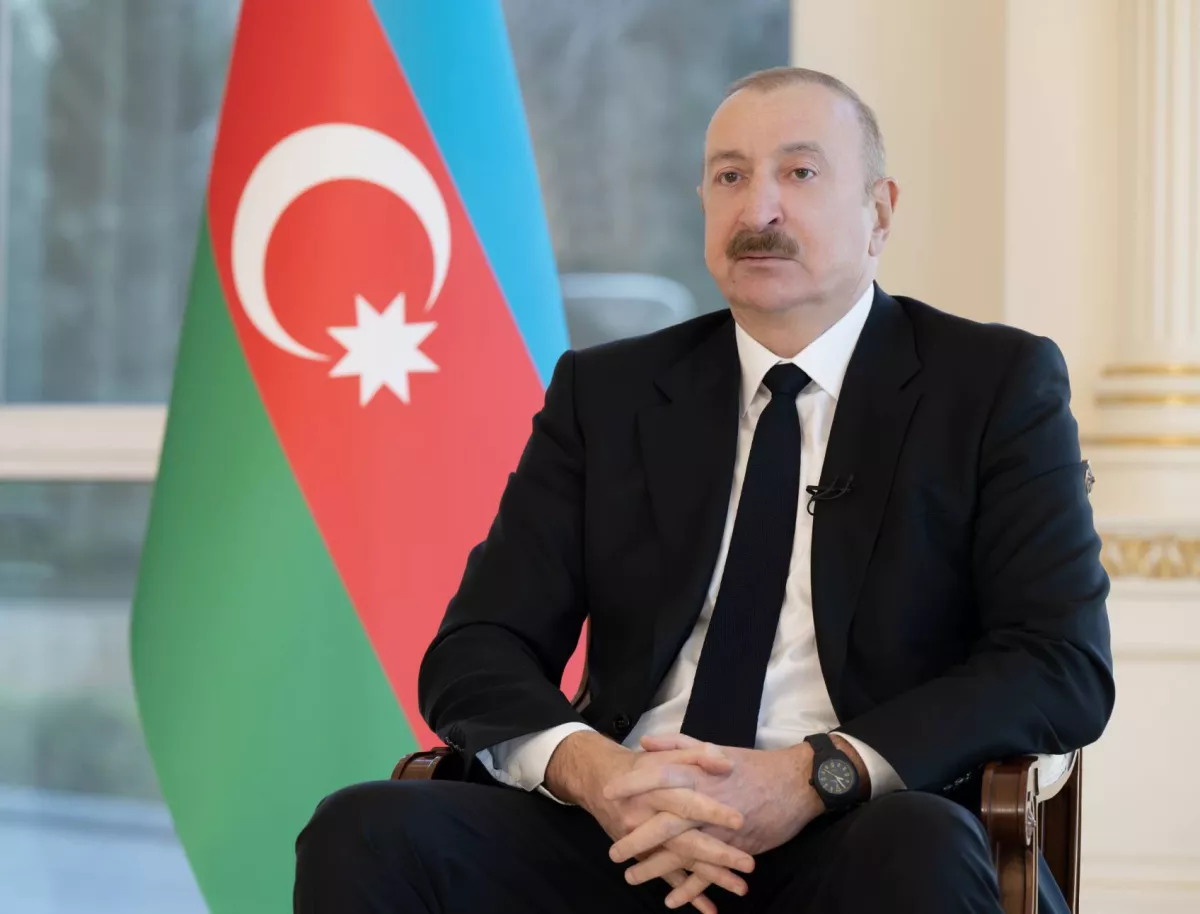
It is noteworthy that the president speaks openly about problems with personnel. Over twenty-two years, he has appointed many people and placed his trust in them. The head of state holds meetings or phone calls with newly appointed heads of district administrations. However, he is concerned that even young cadres sometimes commit violations. This is not about age—young or old—but about people’s qualities, and the upbringing they receive in their family, school, and society. Those who justify the trust always receive support. Those who fail to meet expectations, who go astray, face criminal prosecution or administrative punishment. Implementing structural reforms is important, but preparing clean, honest personnel is even more crucial. Experience shows that this is more important than structural changes.
Aliyev calls on everyone to be intolerant of societal problems and bureaucratic arbitrariness. Officials must base their work on principles of justice and service to the people. Public oversight plays a crucial role. Many decisions have been made precisely as a result of such oversight. Signals coming from local areas are checked by several structures to eliminate personal bias. When a violation is confirmed, a decision is made. All officials must be aware of this. Appointment to a position is a matter of great trust. If that trust is not justified, corrective action will follow without delay.
The interview concludes with a symbolic question that is twenty-eight years old. In 1998, journalist Mirshahin Aghayev asked national leader Heydar Aliyev a question about the land. At the time, the question was only partially addressed because the territories were under occupation. Yesterday, Aghayev asked the question again to the victorious Supreme Commander-in-Chief who restored territorial integrity. Aliyev replied that, for everyone, the concept of land was primarily associated with the lost territories. Much of our society believed that we would return to these lands, although over the years that belief began to fade. Until 2020, the president always told former displaced persons that they would return and restore territorial integrity. Yet he saw in some of their eyes that they did not believe it. They cannot be blamed for this. What other feelings could people have when their lands were lost for thirty years?
Internally, he always believed he would achieve this. At first, he believed the problem could be solved peacefully and tried to convince foreign partners. But after years, he saw that they knew perfectly well; most simply thought it should be that way—that these lands should go to the Armenians. That was their worldview. Over the years, there was no longer any doubt about the inevitability of the military option.
During the Patriotic War, land was embodied in every liberated village, and the place where each martyr fell was considered sacred land. Aliyev emphasises that the feelings he experienced daily while receiving information about the losses cannot be expressed in words. Repeated changes in the directions of operations were related to the possibility of large casualties. The cessation of the war on November 10 was also due to this consideration. If the war had not been stopped, the losses would have been many times greater.
Every time the flag was raised in a village or city, that land was Azerbaijan, the president says. After November 8, land that was not yet under our control was, for him, Azerbaijan. How to reclaim this land? Some said that no one would allow it. Others claimed that enough had already been done. Many things were said. He could have thought: Shusha is there, we won the war, dealt a defeat to Armenia, there are two thousand Russian officers and soldiers stationed there, let the rest wait. But for him, the land meant precisely this: Khankendi, Khojaly. And they, too, were liberated.
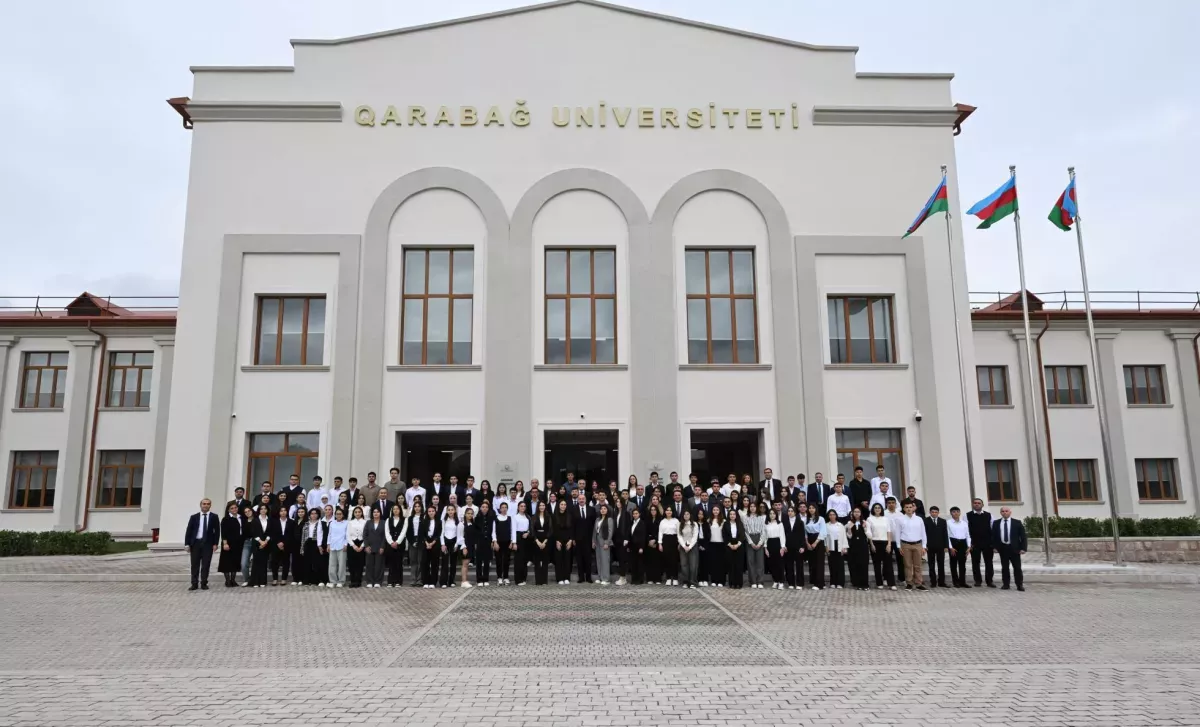
Now, when speaking about the land, the president focuses more on its quality—where it is more fertile, where it can be well cultivated. Visiting Karabakh, he sees the rich black soil and says what a beautiful, fertile land it is. The previous notion of land—as wounded and devastated—no longer exists. A period of peace and creation has begun. Just five months ago, perhaps few fully realised what it means to live in conditions of peace.
At the same time, he returns to a recurring theme: one must always remain vigilant and strong. To be strong and ready to defend one’s land at any moment. From now on, not an inch of land will ever fall under someone else’s heel. For this, there is strength, will, and national unity. There is a strong Azerbaijani state.
In essence, this interview has become a manifesto of a country that has learned to win both in war and in peace. Azerbaijan under President Ilham Aliyev is a state that does not believe in international law because it has seen how it fails, yet believes in strength and justice. It is a country that turns geography into strategy, oil into infrastructure, and military power into a guarantee of security. It is a society that has been learning to live in peace for five months, yet remembers the lessons of a thirty-year war. It is led by a president who speaks candidly about the failures of Western diplomacy, ingratitude, and the necessity of relying solely on one’s own strength. And finally, it is a project of building a regional hub that will function regardless of who rules neighbouring countries, because geography does not change, and Azerbaijan sits precisely where all routes between East and West, North and South intersect.
Aliyev does not promise easy paths. He speaks of the need for constant vigilance, of the fact that in the world the strong prevail, and that it is necessary to develop the defence industry and the army, even while hoping for peace. He is candid in his assessments and uncompromising with those who have betrayed trust. Yet he paints a picture of a country confidently looking to the future because it understands its place in the world and knows how to use it. Azerbaijan today is no longer a post-Soviet republic with a frozen conflict. It has become a regional power with global ambitions, a victorious country that dictates the terms of peace rather than asks for them. And this is perhaps the main outcome not only of 2025 but of the entire era we are witnessing.







 editor@caliber.az
 +994 55 444-88-98
 Азербайджан, Баку, ул. Низами, 203, Af Business House, 5-й этаж