










Davos marked by Trump’s “America First” policy US leader sends strategic messages
The speech of the President of the United States at the World Economic Forum in Davos drew the attention of the entire international community and made the front pages of global media. This is because Donald Trump outlined the key directions of Washington’s foreign policy, which carries enormous strategic significance amid today’s geopolitical turbulence.
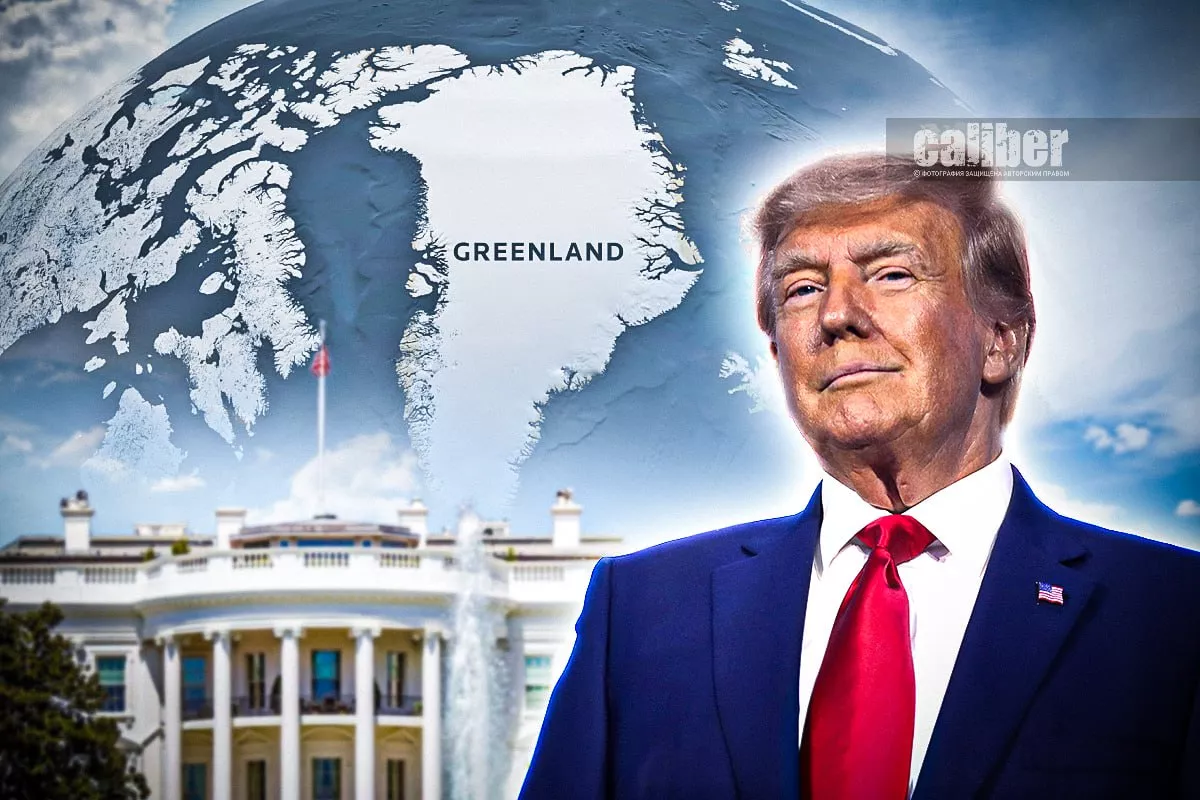
The first point to note in the American president’s speech is his remarks regarding Greenland—a territory he has repeatedly suggested purchasing. Justifying his intentions to acquire the island, Trump stated that “no nation, or group of nations, is in any position to be able to secure Greenland other than the United States.”
“If there is a war, much of the action will take place on that piece of ice? Think of it. Those missiles would be flying right over the centre of that piece of ice,” he said.
Trump also emphasised that this is precisely why the United States needs full ownership of the island, since defending leased territory is impossible—legally or psychologically. He said:
"But now what I'm asking for is a piece of ice, cold and poorly located that can play a vital role in world peace and world protection. It's a very small ask compared to what we have given them for many, many decades. But the problem with NATO is that, we'll be there for them 100%, but I'm not sure that they be there for us [...] This enormous unsecured island is actually part of North America, on the northern frontier of the Western Hemisphere. That's our territory [...] We've never asked for anything else, and we could have kept that piece of land, and we didn't. So ,they have a choice. You can say ‘yes ‘and we will be very appreciative, or you can say ‘no’ and we will remember."
First of all, it should be noted that by referring to a possible global conflict, Trump was implying that it would involve the United States’ main geopolitical rivals—Russia and China. This is also reflected in his recent statements that the island is surrounded by Russian and Chinese warships and is absolutely vital for U.S. national security.
Overall, the words of the White House leader clearly confirm that today Washington’s policy is based on a doctrine guided by the slogan “America First.” According to this approach, the United States intends to achieve the annexation of Greenland, potentially employing a range of tools, including military intervention. Such a scenario seems plausible, especially in light of recent U.S. military operations in Venezuela, which resulted in the capture of that country’s president, Nicolás Maduro.
Notably, such a development is not ruled out in the White House. As previously stated by White House Press Secretary Karoline Leavitt, the U.S. president prefers diplomacy but reserves the right to use the Armed Forces if necessary. It is also important to consider that the defence of the island is the responsibility of Denmark, whose military resources are limited. Therefore, there is little doubt that, if needed, a U.S. military operation on the island could be completed even more quickly than the Venezuelan operation.
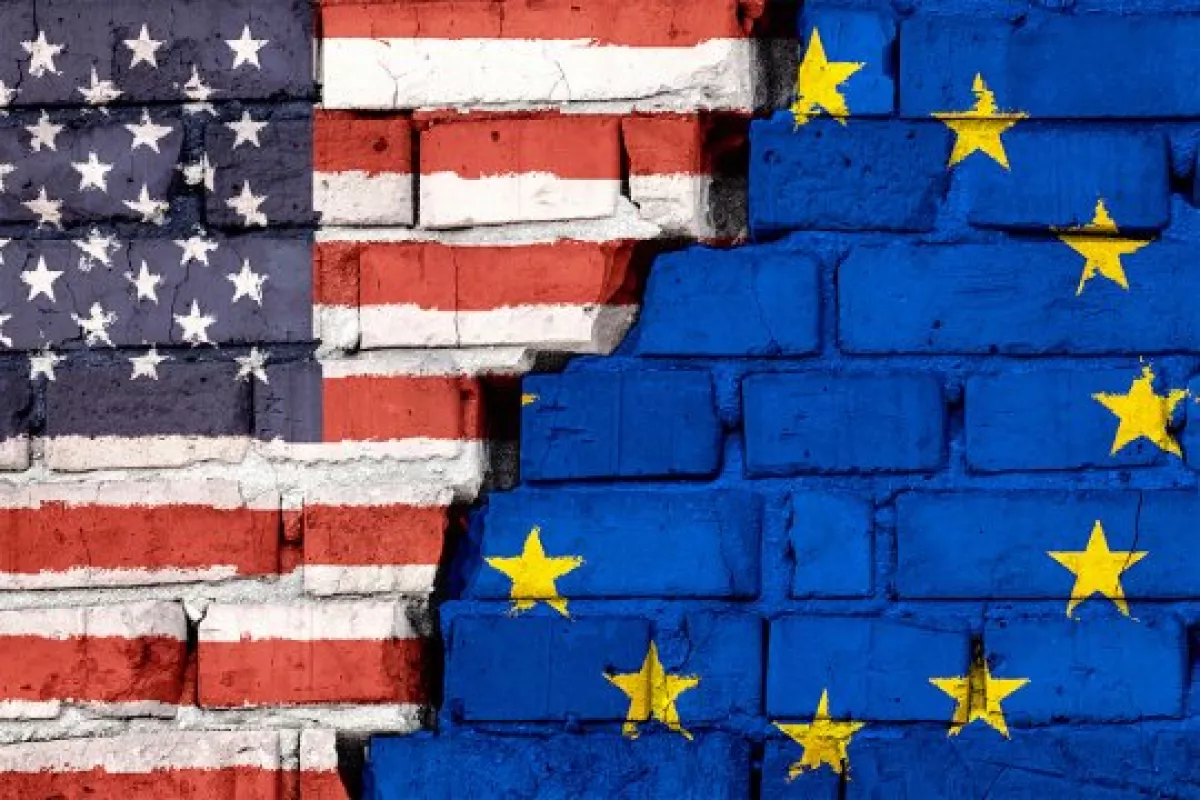
However, there is another possible solution to the Greenland issue involving the direct participation of the European Union. In an interview with CNBC, the U.S. president stated that he would not impose tariffs on goods from eight European countries (Denmark, Norway, Sweden, France, Germany, the United Kingdom, the Netherlands, and Finland), which were scheduled to take effect on February 1, if they allow Washington to take control of Greenland. This scenario would be the most practical for the European Union in terms of economic security, especially considering that since returning to the White House, Donald Trump has taken a number of steps to tighten U.S. trade and economic policies toward EU states.
In his Davos speech, the occupant of the Oval Office also addressed U.S.-China relations, describing them as generally positive, although from a geopolitical perspective, there are many contradictions, developing against the backdrop of a trade and economic war between the two powers. It can therefore be argued that American policy is broadly aimed at countering the growing economic and geopolitical influence of China in the world.
Another aspect of Trump’s speech concerned Hamas. The U.S. president made it unequivocally clear to the organisation that difficult times lie ahead if it does not disarm: “In the coming days or weeks, it will become clear whether the movement is ready to disarm.” There is little doubt that the White House chief could take decisive action against Hamas, particularly given his experience in dealing with radical terrorist organisations.
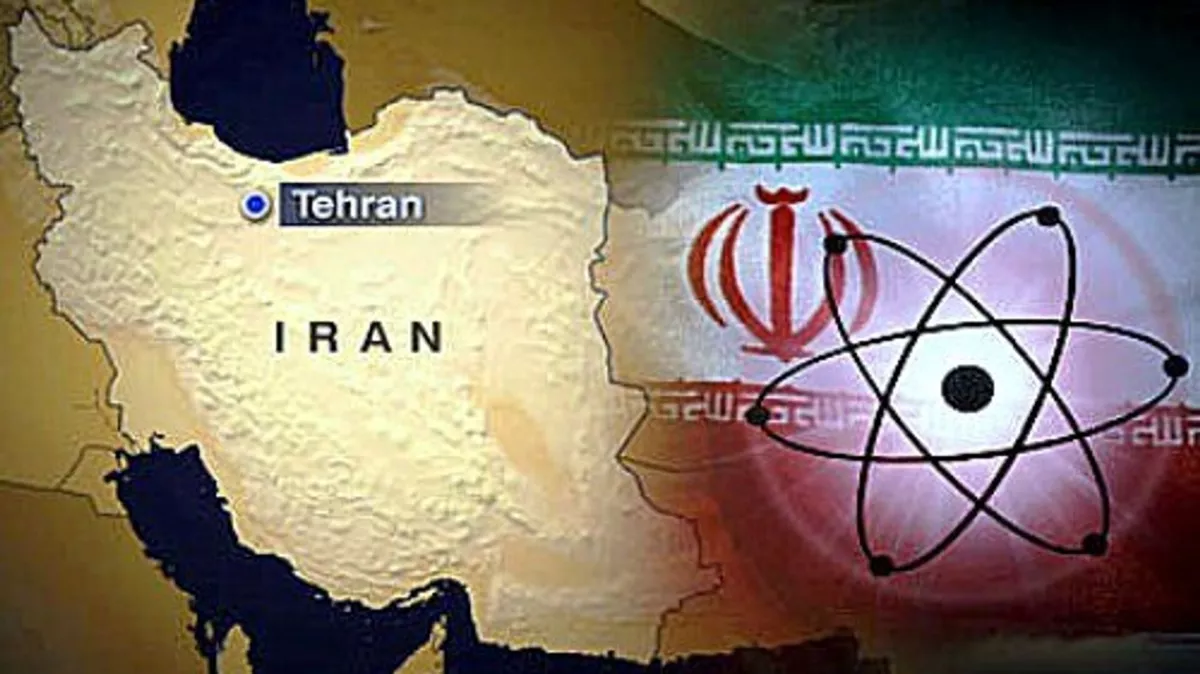
Turning to the Iranian issue, the U.S. president stated in his speech that, in his view, the nuclear threat from Tehran has been fully neutralised. It can be assumed that Donald Trump’s words should be interpreted as an optimistic message to the international community, signalling that this issue is not currently urgent on the U.S. foreign policy agenda, and also as a rejection of any military plans against the Islamic Republic.
Subsequent statements by the president were generally optimistic. For example, speaking on global security, he expressed confidence that a third world war could be avoided, emphasising that, under different political circumstances, the conflict between Russia and Ukraine could have escalated into a much larger confrontation.
In his speech, Donald Trump devoted very little attention to the Russia-Ukraine topic. Interestingly, even ahead of the Davos Forum, the Financial Times reported that disagreements between Europe and the U.S. president over America’s desire to acquire Greenland had disrupted plans for economic support to Ukraine, while Politico noted that the rift between the EU and the United States had pushed Ukrainian issues to the background at Davos.
Thus, from the Davos podium, Donald Trump sent a clear message to the international community: Washington is capable of addressing long-standing challenges and intends to achieve its objectives not only through military force but also through a policy of “soft pressure,” while in all cases prioritising the interests of the United States—a stance that, as noted above, fully aligns with the “America First” doctrine.







 editor@caliber.az
 +994 55 444-88-98
 Азербайджан, Баку, ул. Низами, 203, Af Business House, 5-й этаж